


Common Lawn Problems
Click on any category or item below to learn more about these common lawn problems.
|
DISEASES
|
INSECTS
|
GRASSY WEEDS
|
BROADLEAF WEEDS
|
|
SPRING
|
SUMMER
|
FALL
|
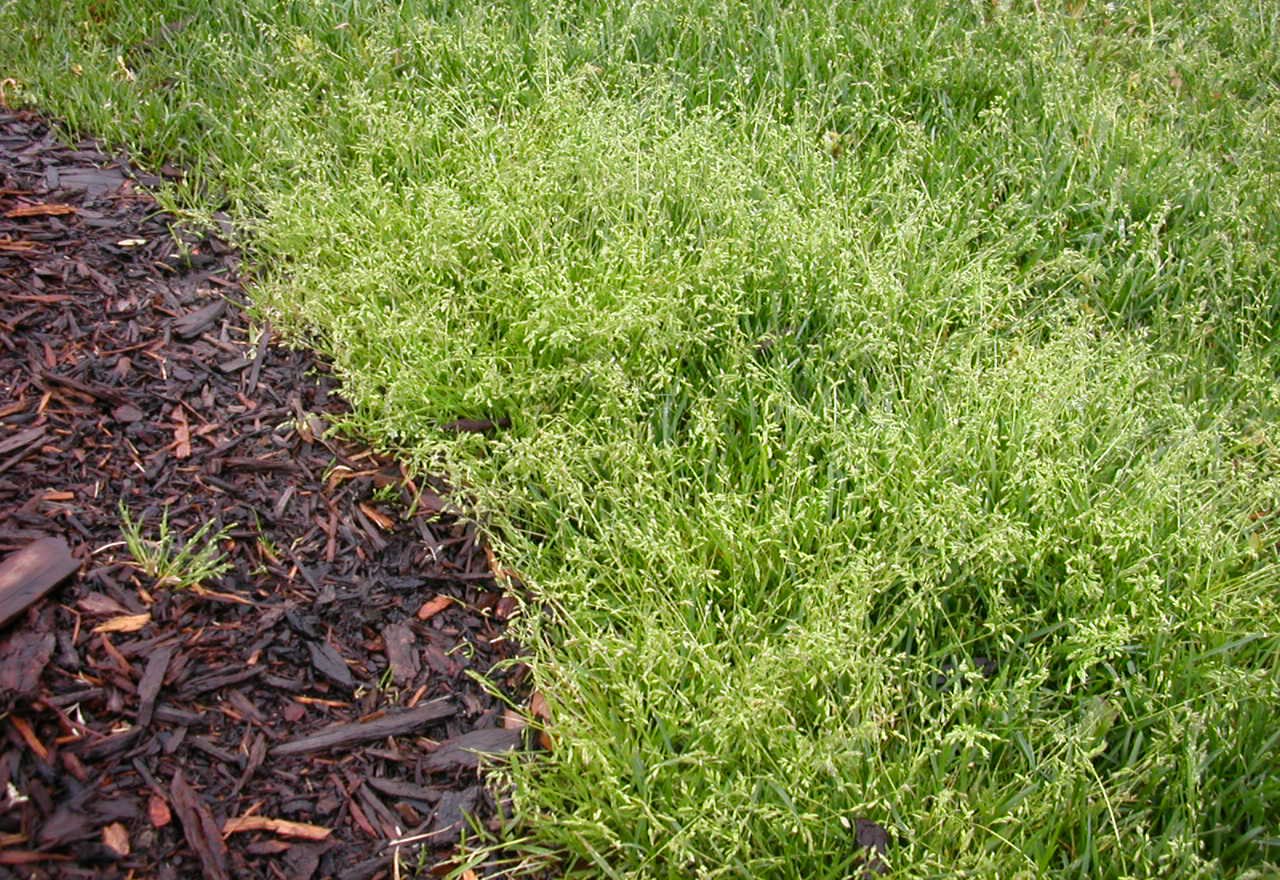
Annual Bluegrass (weedy grass)
Annual Bluegrass is a species of Bluegrass that does not tolerate hot weather. It grows well in the spring, produces a lot of seeds, dies in the summer, then sprouts again from seed so that it can return next spring.
Learn More Here
Annual Weeds
Annual weeds which live only for one season and flood the soil with seeds just before they die. Common Annual Weeds are..
Learn More Here
Bare Areas
In a perfect world you’d only seed in the late summer (August or September). In the real world, it’s if you have a bare dirt spot, it is always better to seed it right away than to leave it bare.
Learn More Here
Bentgrass
Bentgrass is a cool season grass grows rapidly in cool wet conditions – you’ll see it often on golf course greens because it tolerates very low mowing.. In the spring it spreads quickly and crowds out other grasses. As soon as the warm summer comes though, it usually turns brown and plays dead – especially in full sun.
Learn More Here
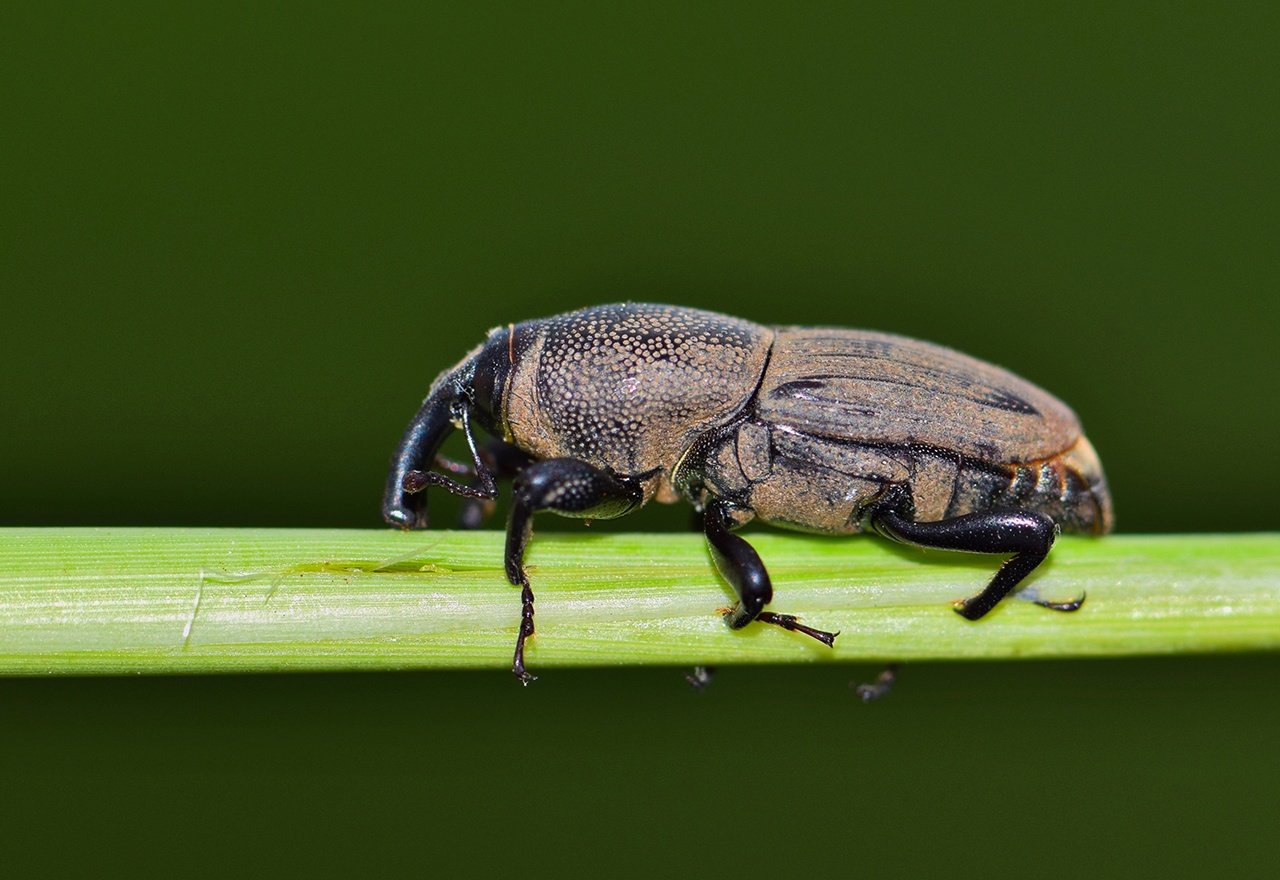
Bill Bug Lawn Damage - Lawn Insect Control
Not all Bugs are bad, in fact, most are actually beneficial. There are a few however that will damage grass, and the billbug is one. Don’t be alarmed though just because you see bugs, that’s a good sign! Billbugs lay eggs inside the grass plant. The eggs turn into a larvae that tunnels down through the grass and eats it as it goes, causing the grass blade to turn brown.
Learn More Here
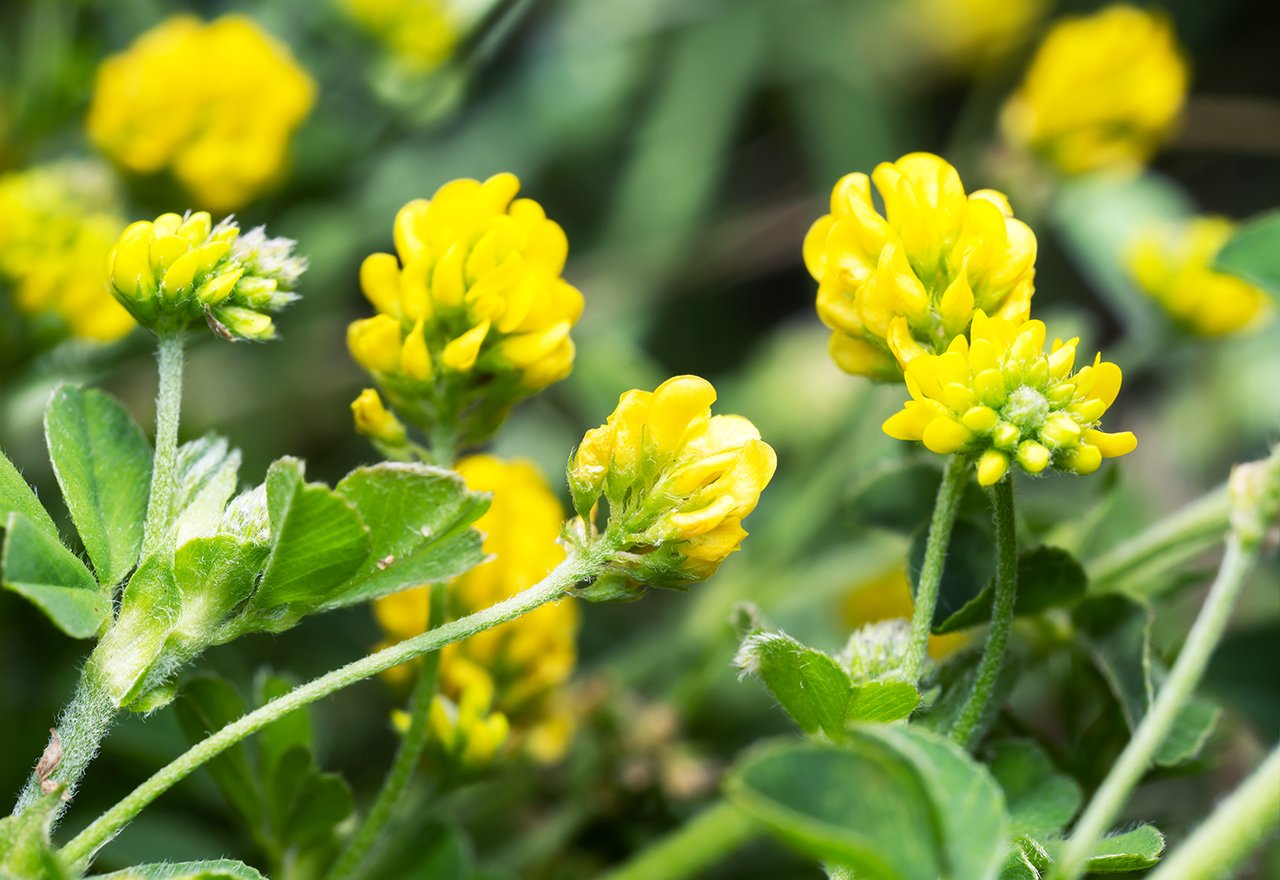
Black Medic Weed Control - Organic Lawn Care
Black Medic, is a Summer Annual Weed. As a summer annual, it germinates sometime in the late spring...
Learn More Here
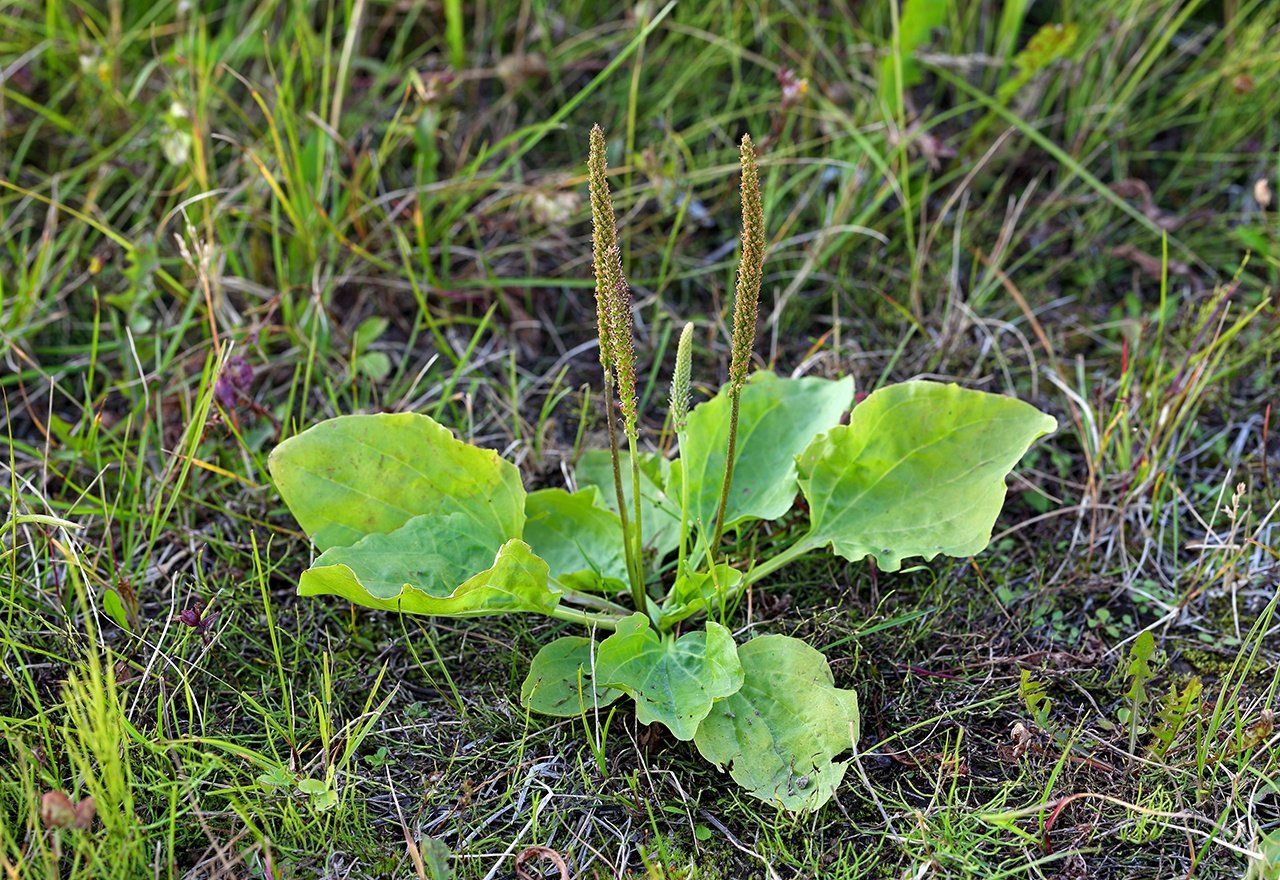
Broadleaf Plantain
Broadleaf Plantain is a perennial weed whose leaves can be crushed together to relieve the pain of insect bites.
Learn More Here
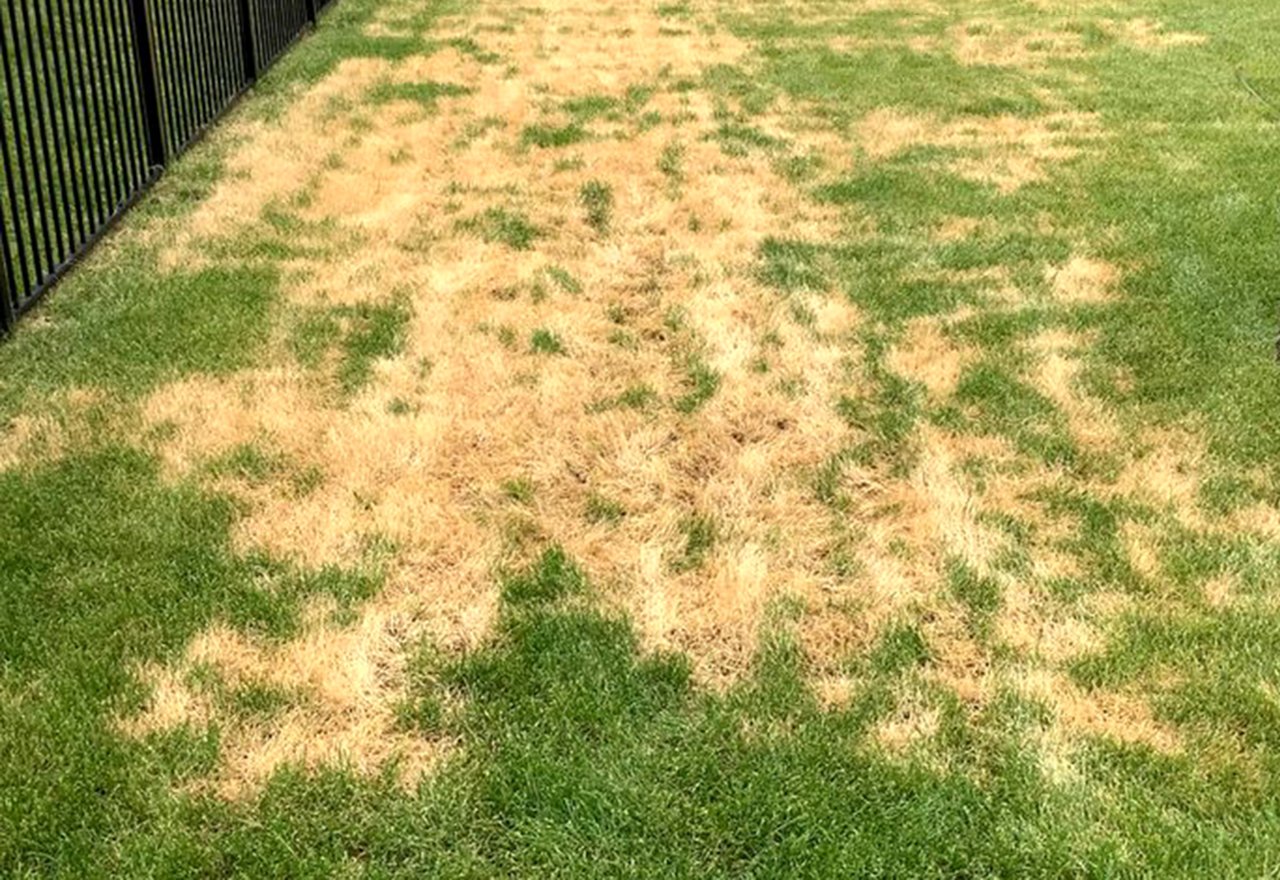
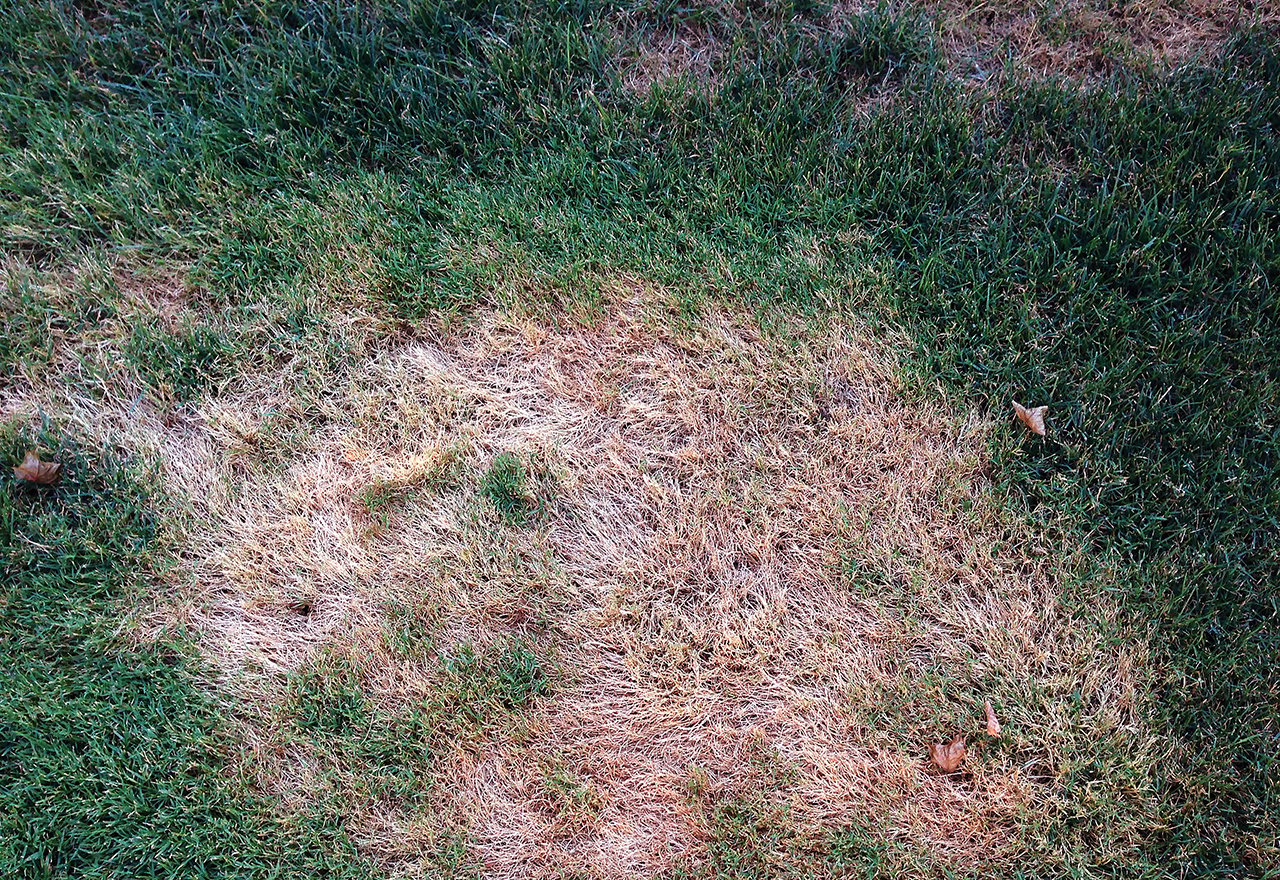
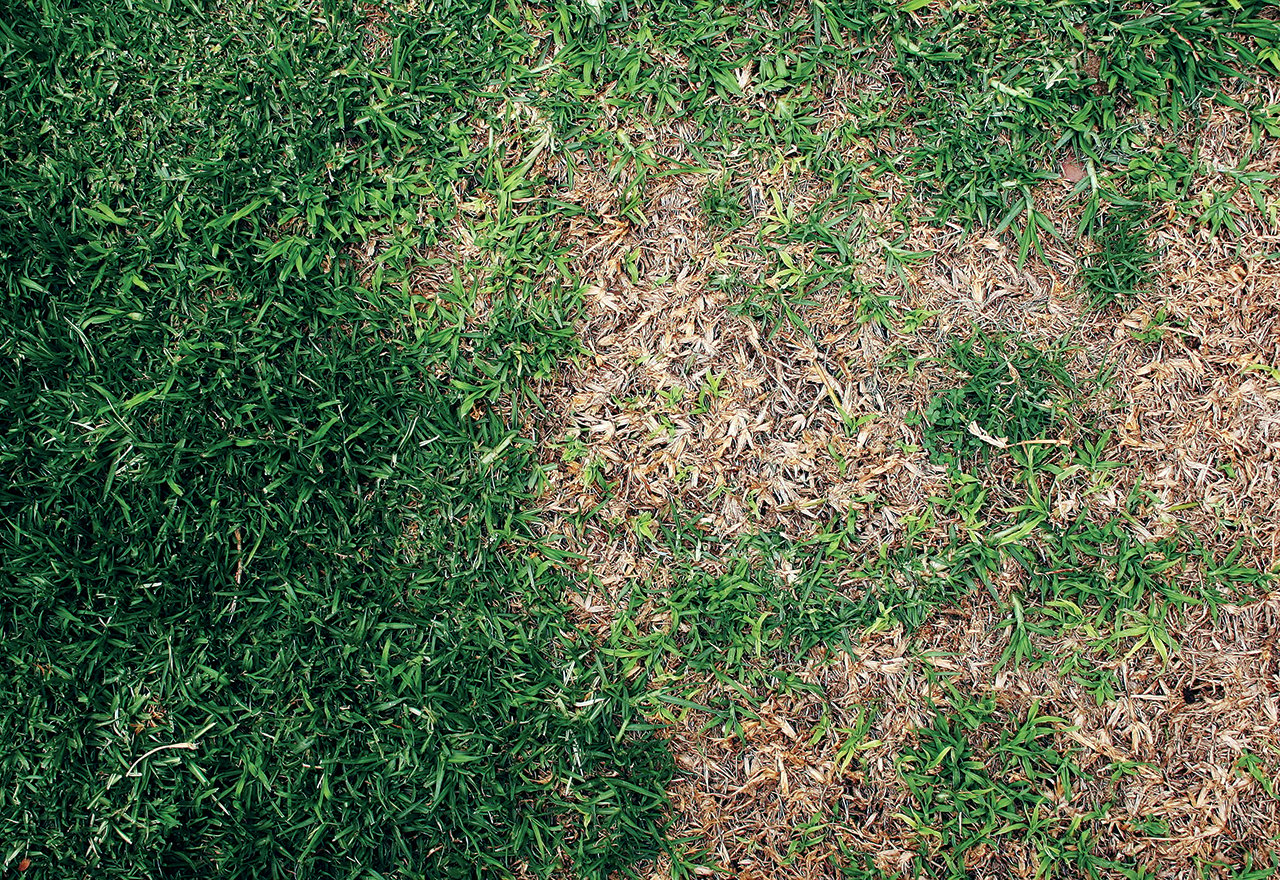
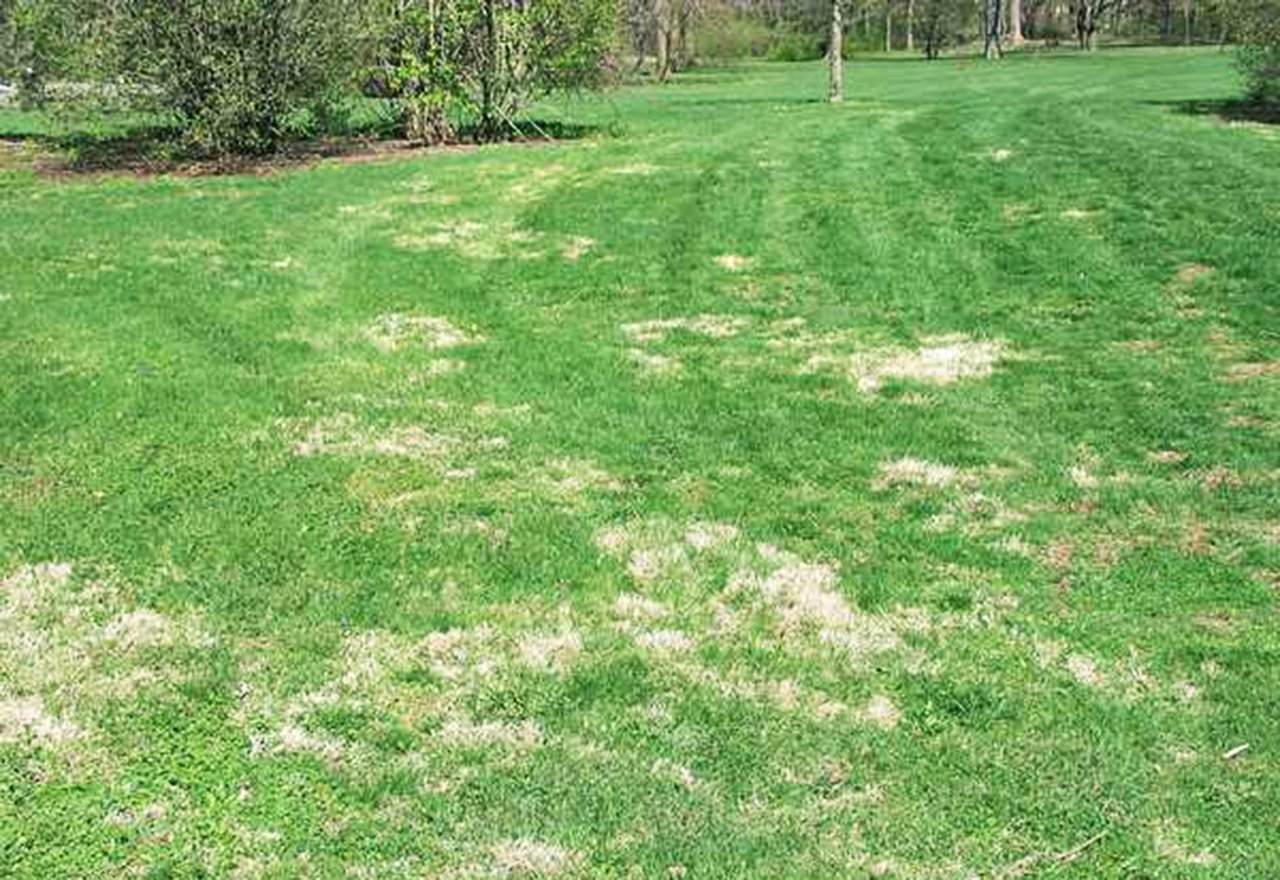
Brown Patches on Lawn - Lawn Fungus Disease
Brown Patch is caused by a fungal organism that thrives in hot humid weather. It results in irregularly shaped brown areas of the lawn. Most lawns recover from Brown Patch when the weather cools in the fall.
Learn More Here
Burnout
We noticed that you have some areas that you might be looking to control grass and weeds in (cracks in a driveway, walkway, or just in a mulch bed) without using a lot of chemicals. Our all natural Burnout made from Clove Oil might be just the thing for you. If you’d like to order some you can contact us or just order it online at our store.
Learn More Here
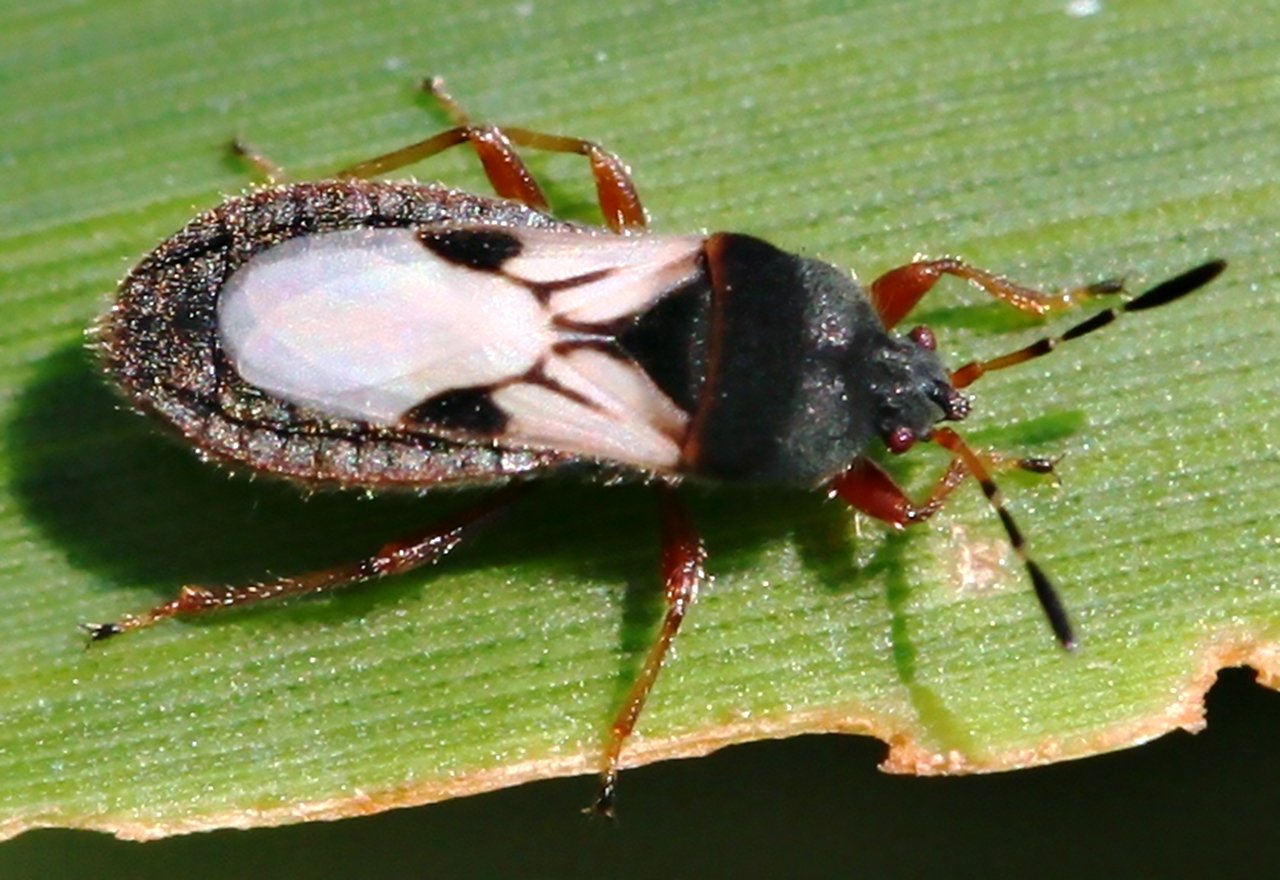
Chinch Bug Lawn Damage - Lawn Insect Control
Chinch bugs are difficult to recognize in the grass because they change their appearance so often. They also have predators that control their populations naturally that look almost identical to them!
Learn More Here
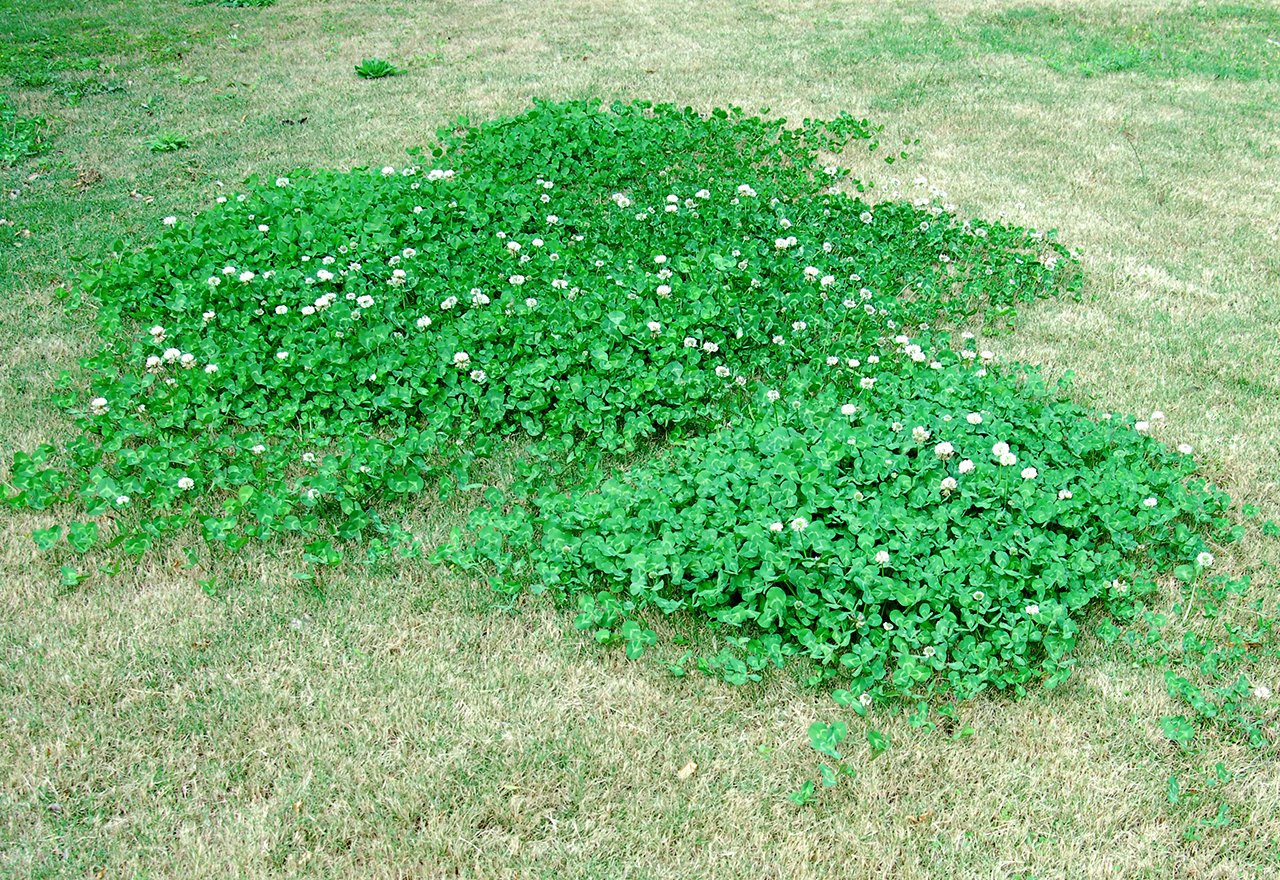
Clover (legume)
Clover is a Legume that used to be included in grass seed mixes because clover and grass grow well together. The clover will help fertilize the lawn naturally and protect it from insects and disease. It’s actually great to have in your lawn as long as it doesn’t bother you!
Learn More Here
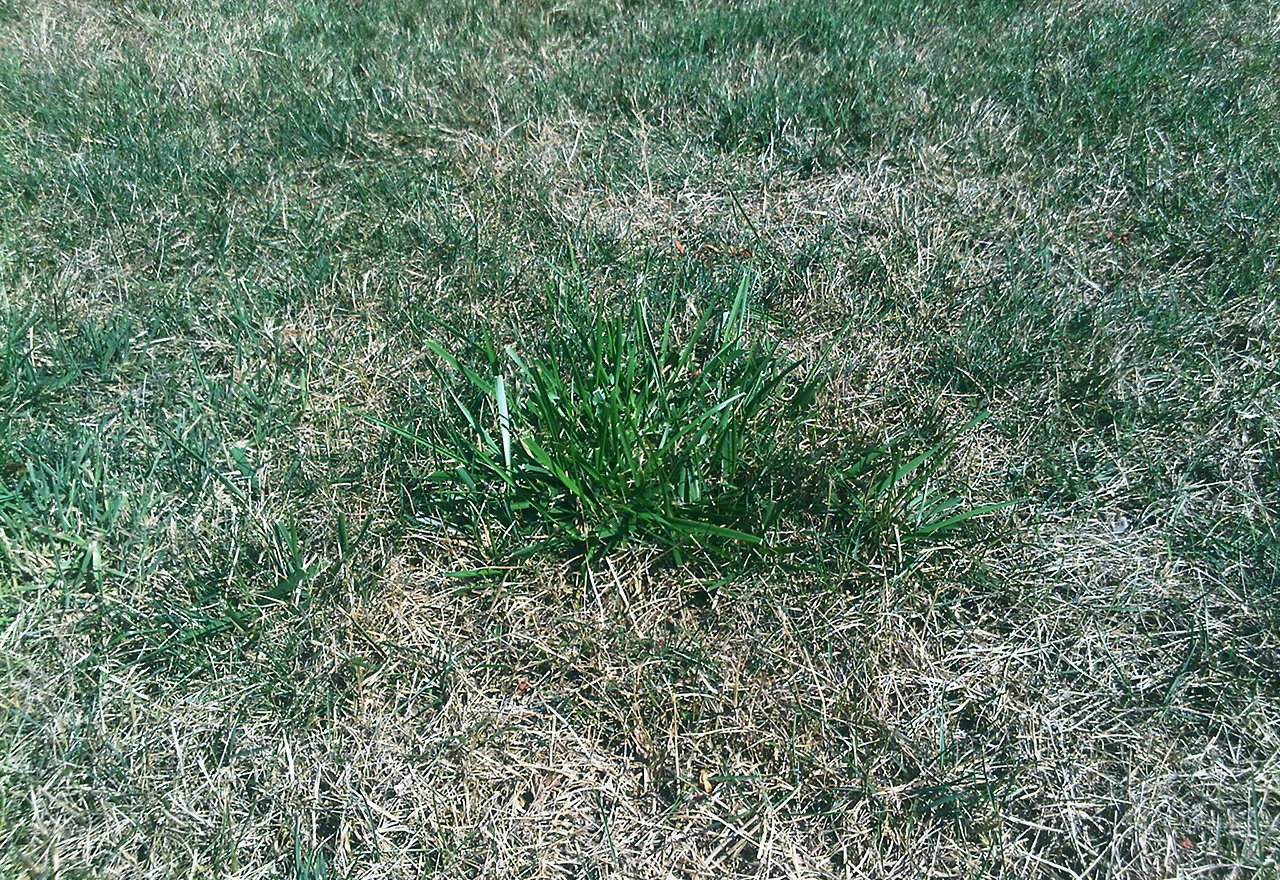
Coarse Fescue
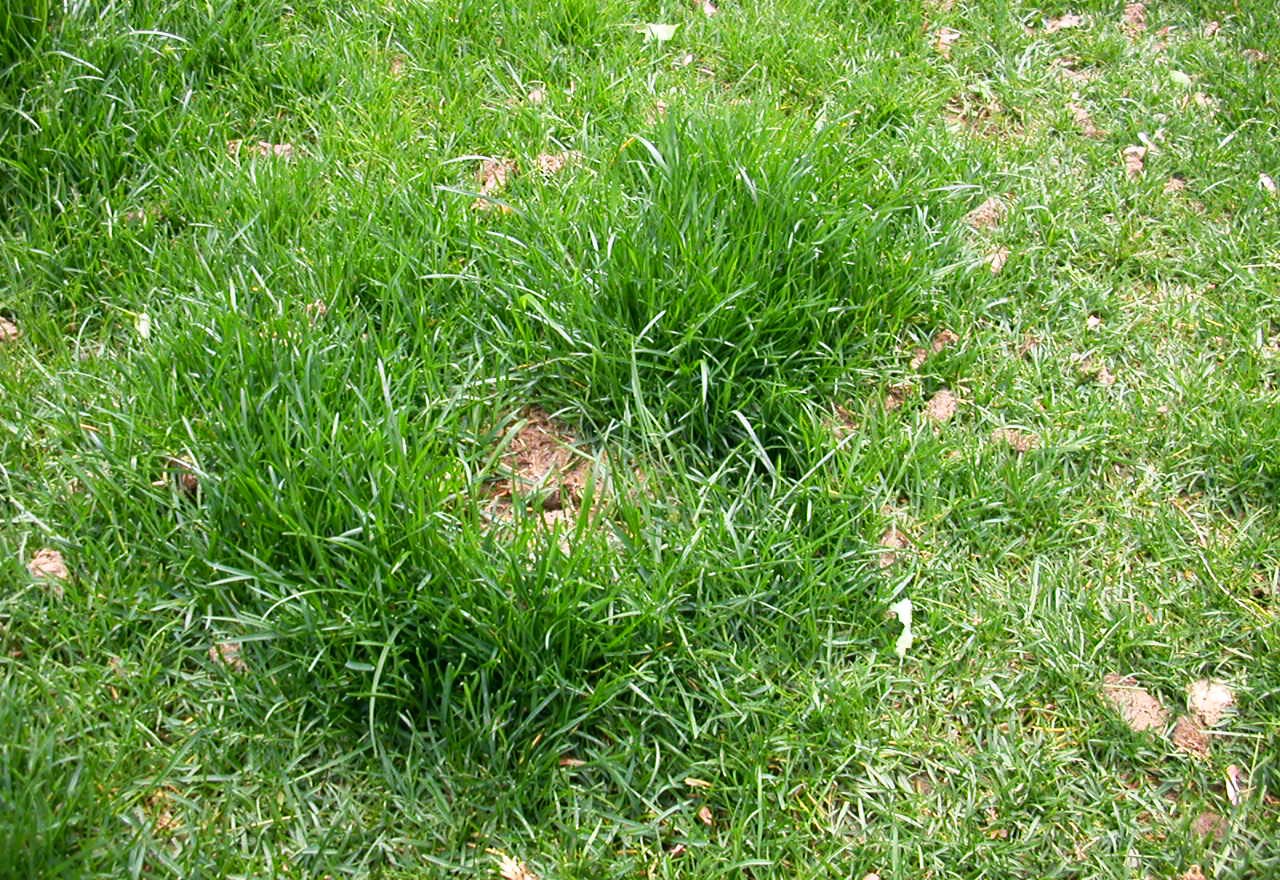
The modern “Turf Type” tall fescue that we plant today is descended from Old Fashioned Kentucky 31 Type Tall Fescue. These patches will tend to stay green when the rest of the lawn turns brown for the summer. Many times Old fashioned tall fescue is mistaken for Crabgrass, which it is not.
Learn More Here
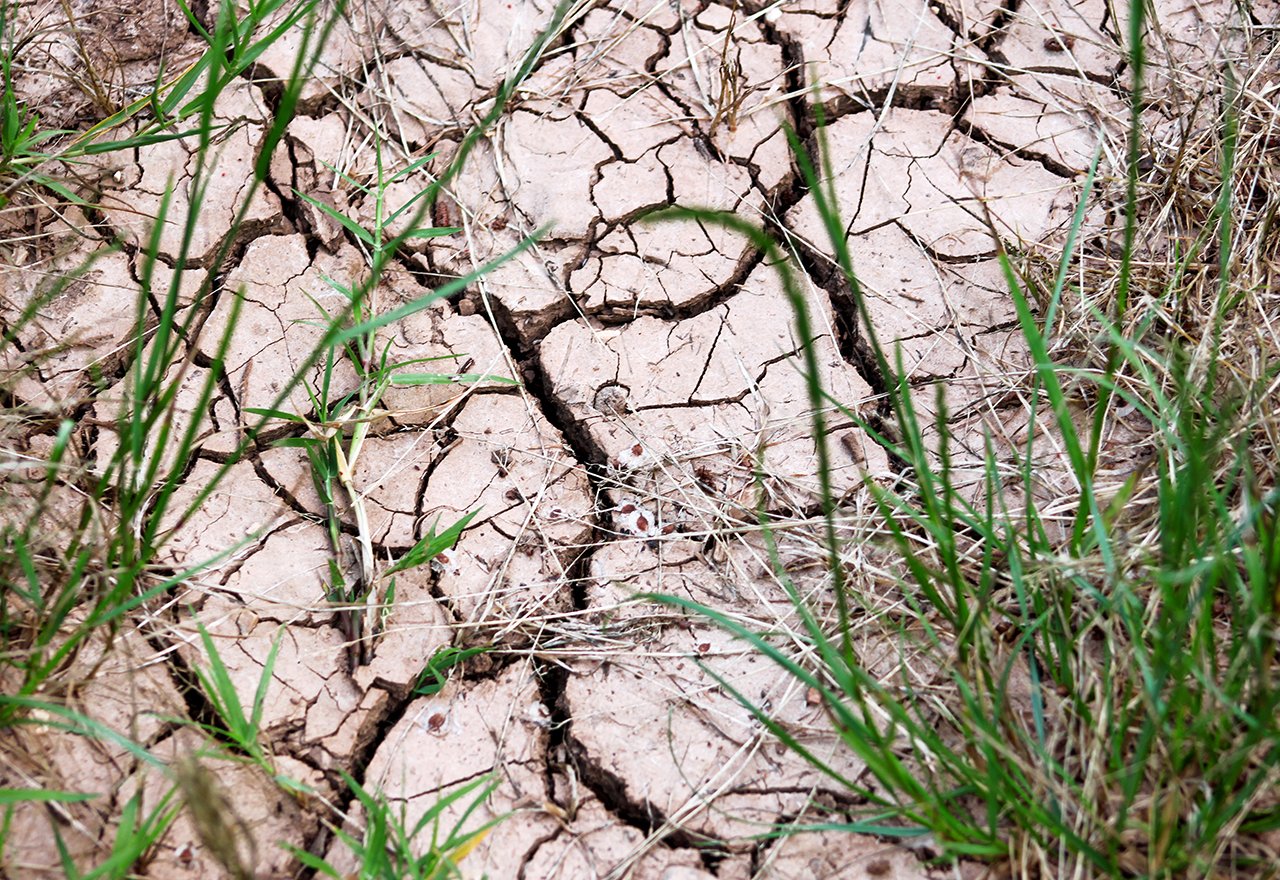
Compaction
How long could you live without food? Probably at least a few weeks. How about Water? Maybe a few days? How about without Air? Not very long.
Learn More Here
Crabgrass (annual grass)
Crabgrass is an opportunistic Annual Grass that sprouts beginning in the late spring anywhere that there is bare soil, water, and sunlight. Crabgrass continues to grow all summer and doesn’t really become ugly until late summer when it spreads seeds. After spreading seeds, crabgrass is killed by the cold winter, but the seeds remain for next year.
Learn More Here
Cut Too Short
Your lawn is not necessarily cut to short, but mowing it a little higher will keep it greener, result in fewer weeds, and allow you to mow it less often. Click the link for more info on mowing height or call with questions.
Learn More Here
Dandelions (French for "Lion's Tooth")
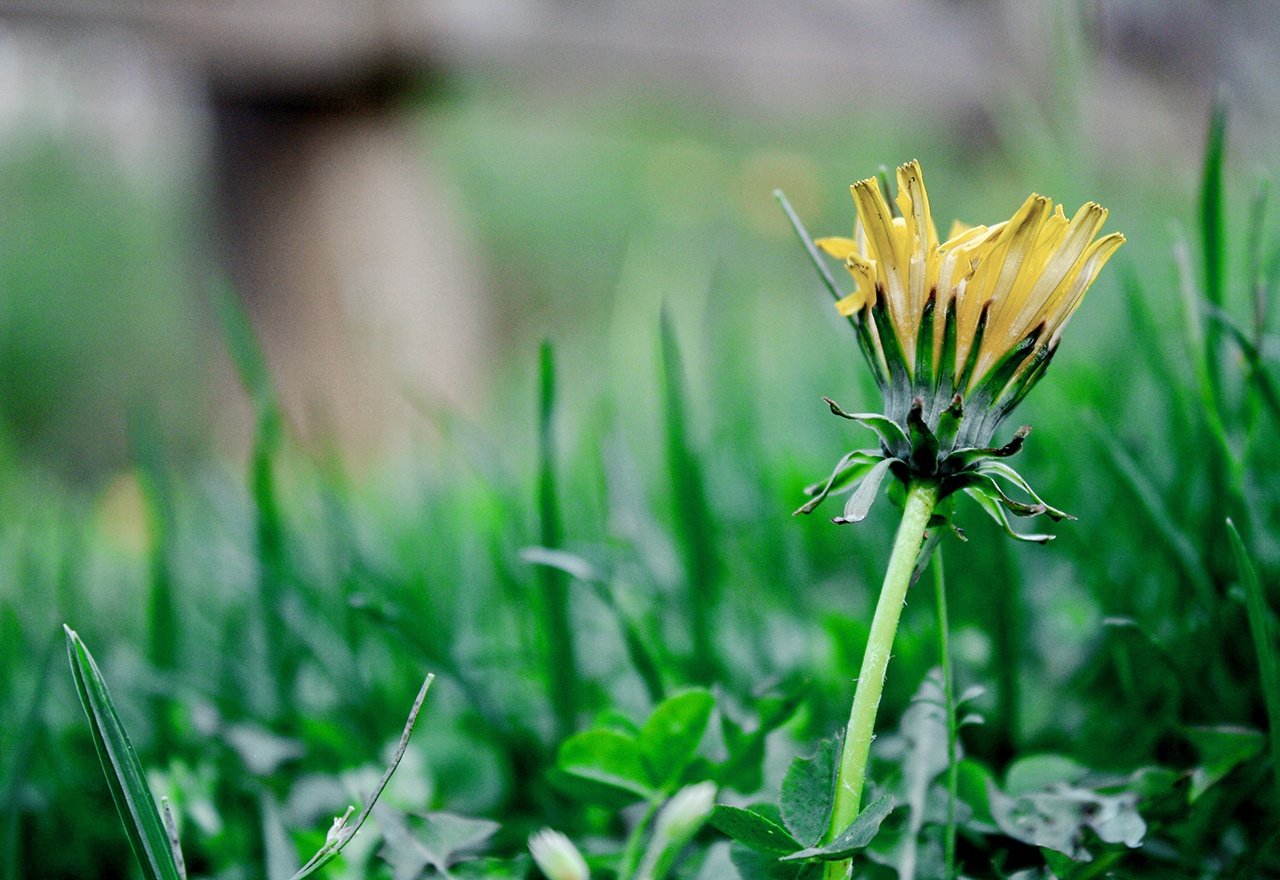
Dandelions are a perennial or biennial plant that generally will live a few years before dying off. They spread seeds prolifically and perpetuate themselves that way. They’re pretty in the spring and maybe a little scraggly after their flowers turn into seed puffballs.
Learn More Here
Dog Damage
Your lawn appears to have some brown spots created by your dog urinating. Some people try training their dog to pee in a spot off the lawn which if you can do that, please let us know how! If the spots really bother you, you might consider trying our Green Um tablets that neutralize your dogs pee and make it less prone to causing brown spots.
Learn More Here
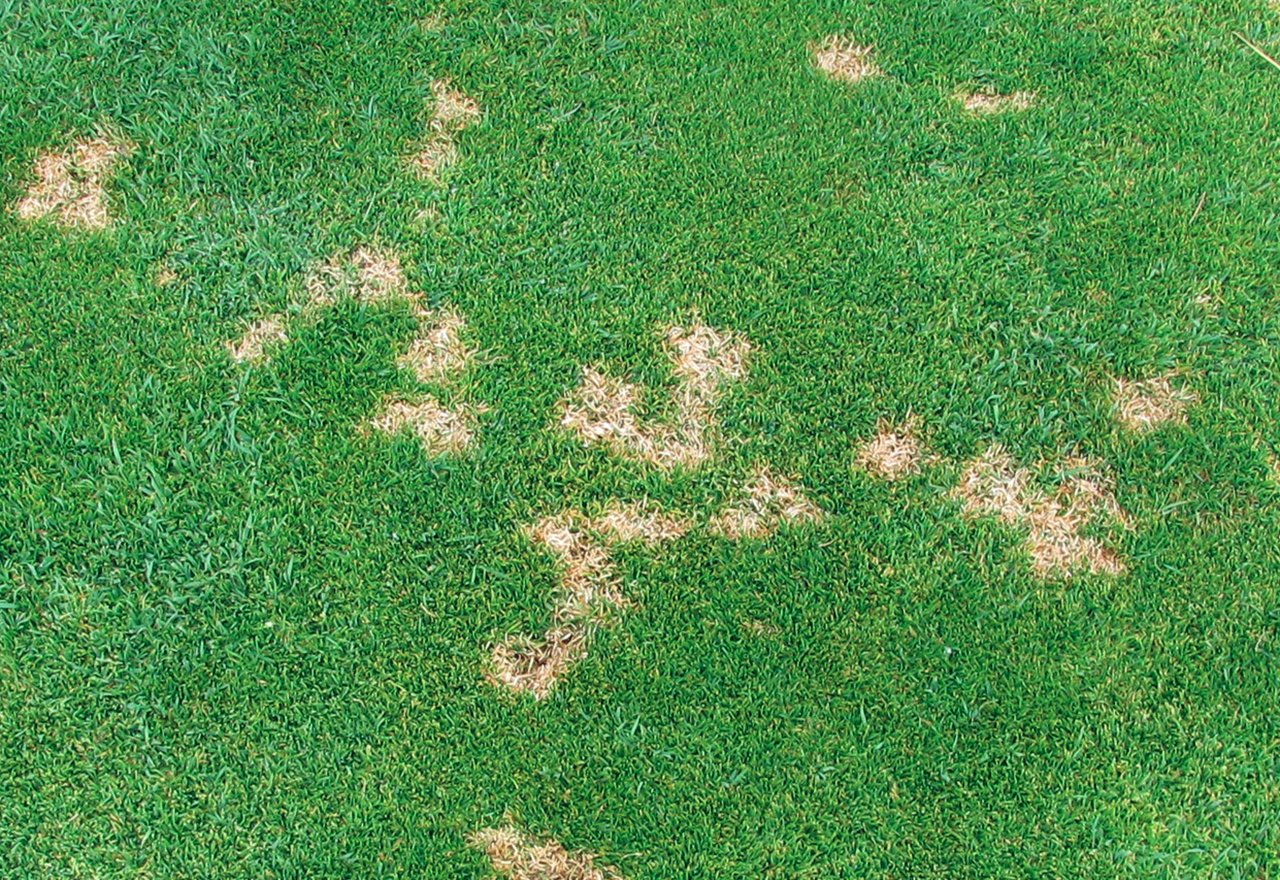
Dollar Spot Treatment - Lawn Fungal Disease
Dollar spot appears as small circular brown patches in the early summer. In some cases they coalesce to give the appearance of larger brown areas.
Learn More Here
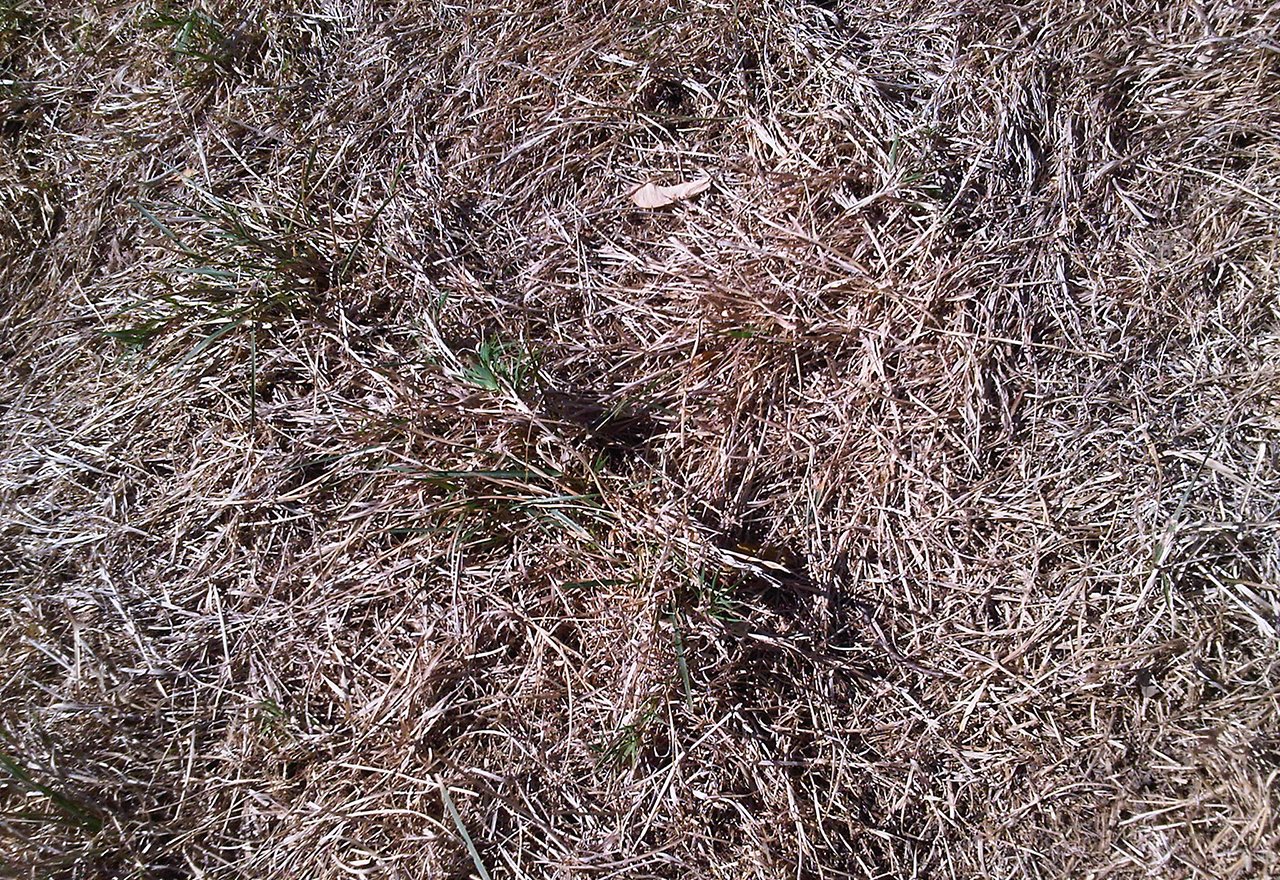
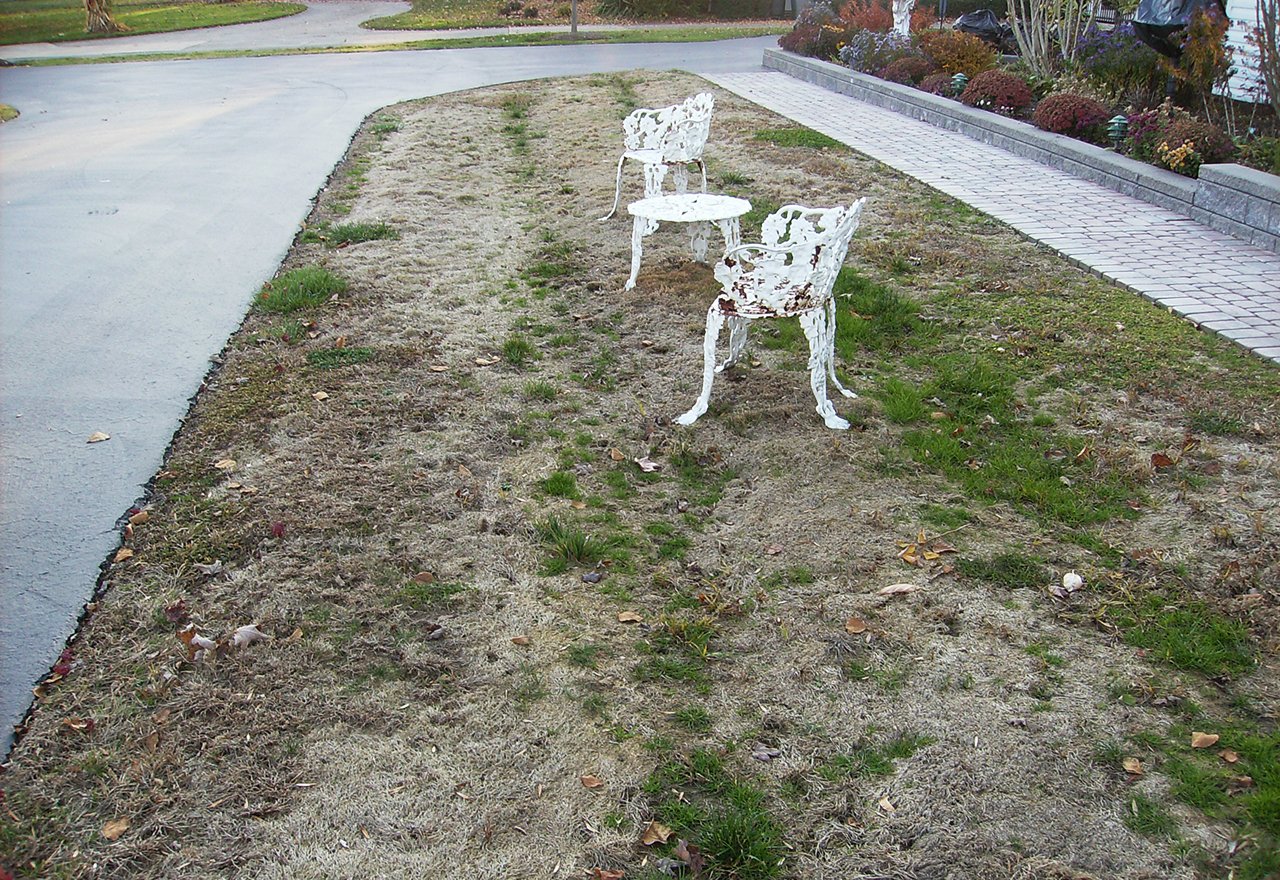
Dormant Grasses
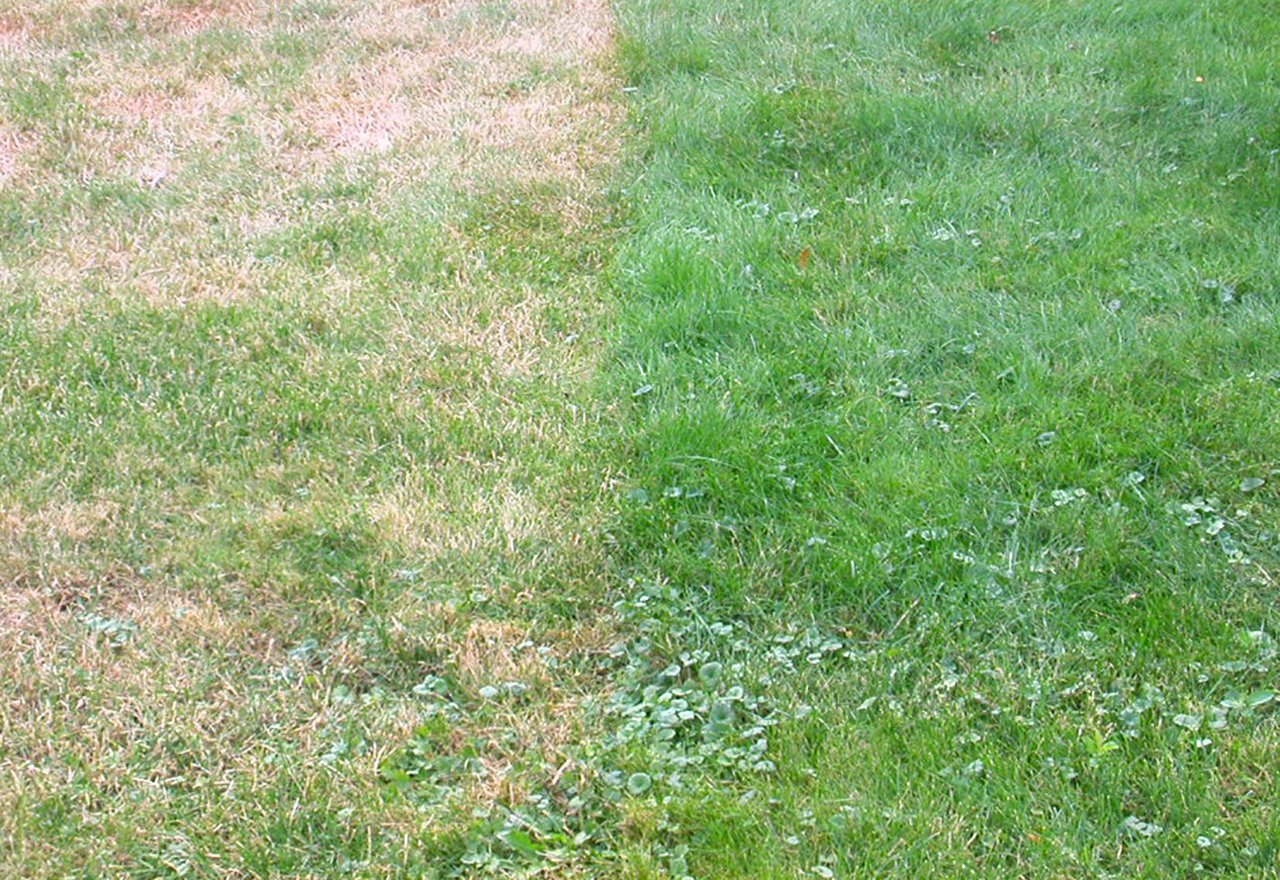
Your lawn is going dormant, which is ok, as long as the weather isn’t too hot and dry it should recover just fine when the weather cools this fall.
Learn More Here
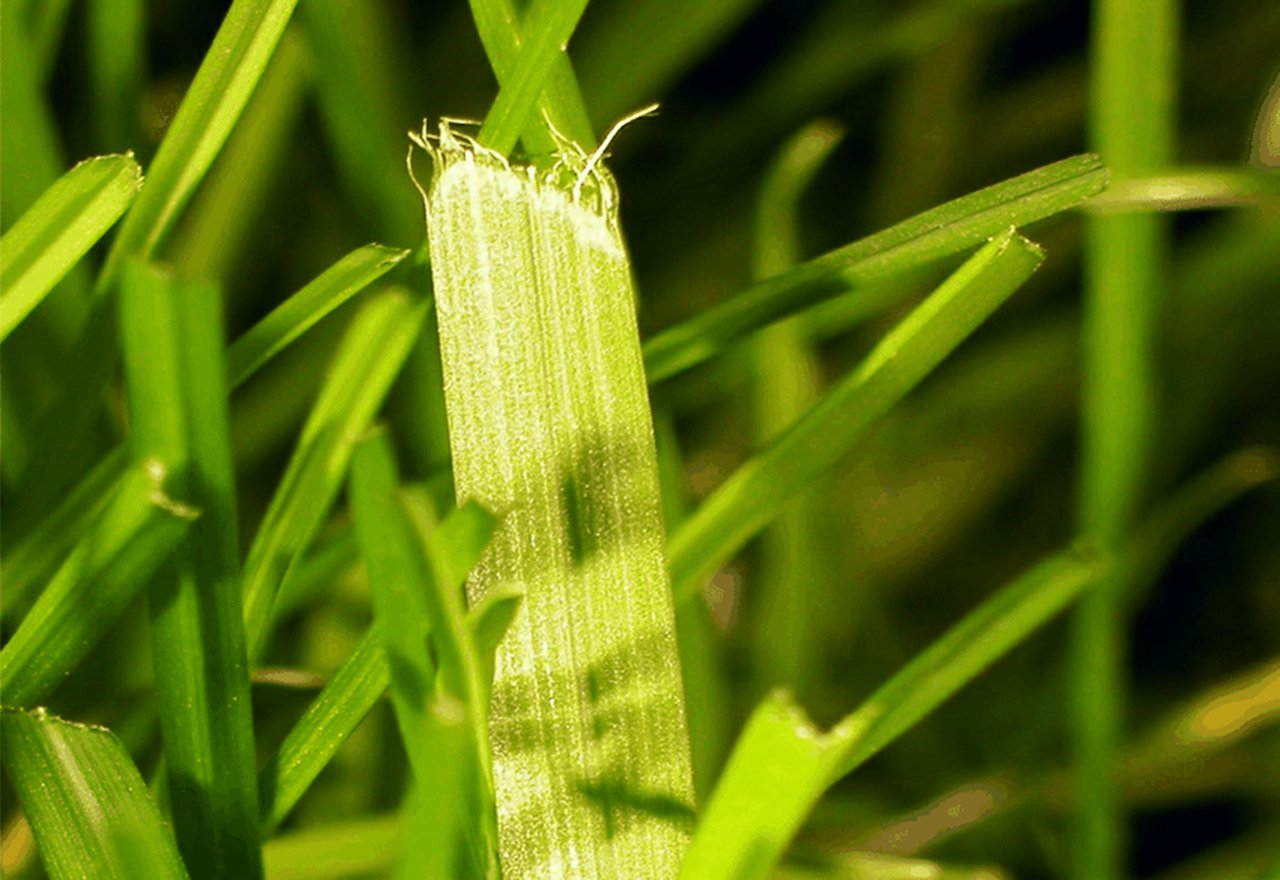
Dull Mower Blades
Your lawn is being mowed with blades that are a little dull and look like they’re tearing the grass instead of cutting it cleanly. Mowing with dull blades will cause the lawn to look brown and encourage disease problems.
Learn More Here
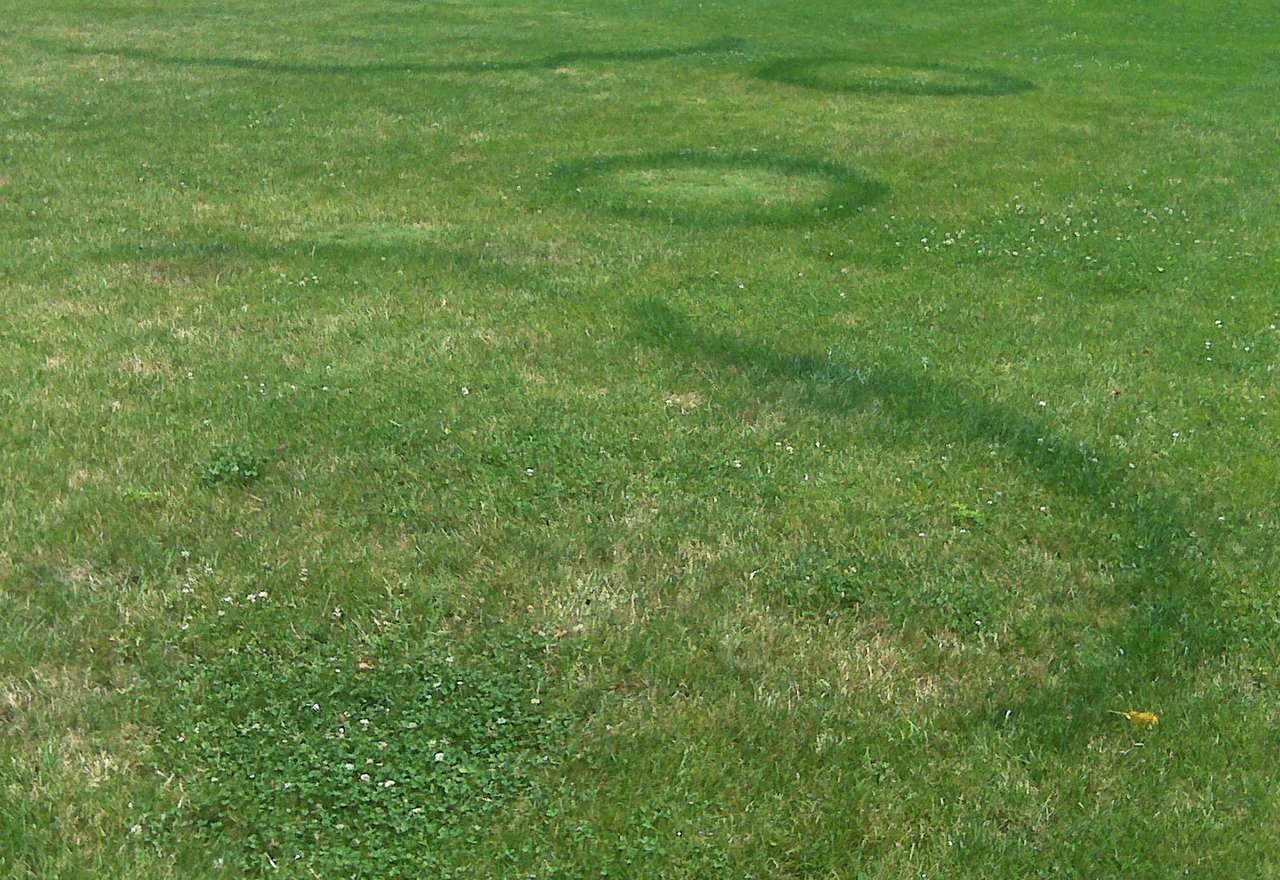
Fairy Ring
You have a case of Fairy Ring which is a nice way of saying that you have a circle in your lawn that is probably darker green than the rest of the lawn and may have some mushrooms growing in it. There isn’t much you can do to fix it (you can knock the mushrooms over but don’t eat them!).
Learn More Here
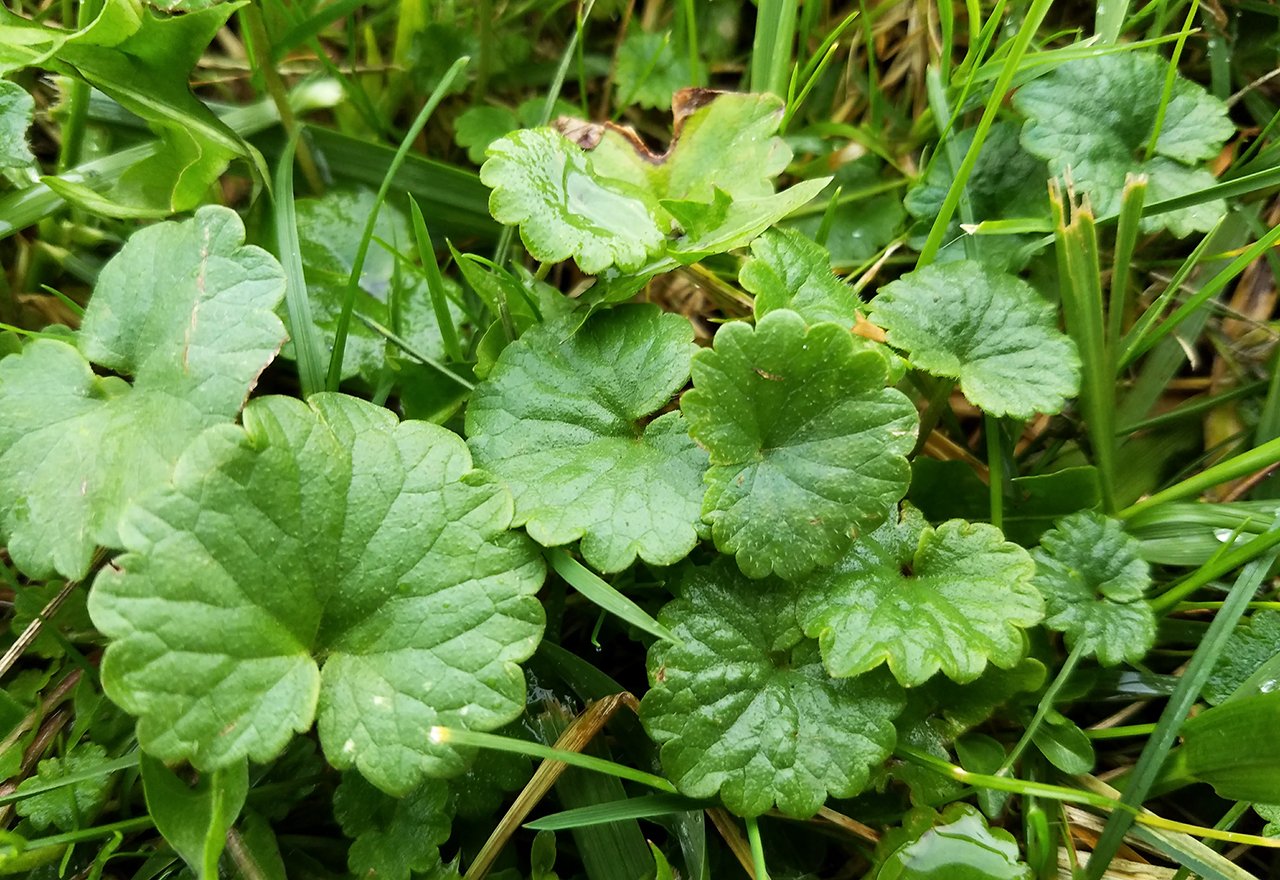
Ground Ivy
Ground ivy, a member of the mint family, is a fast growing perennial weed. It produces a nice minty smell when mowed.
Learn More Here
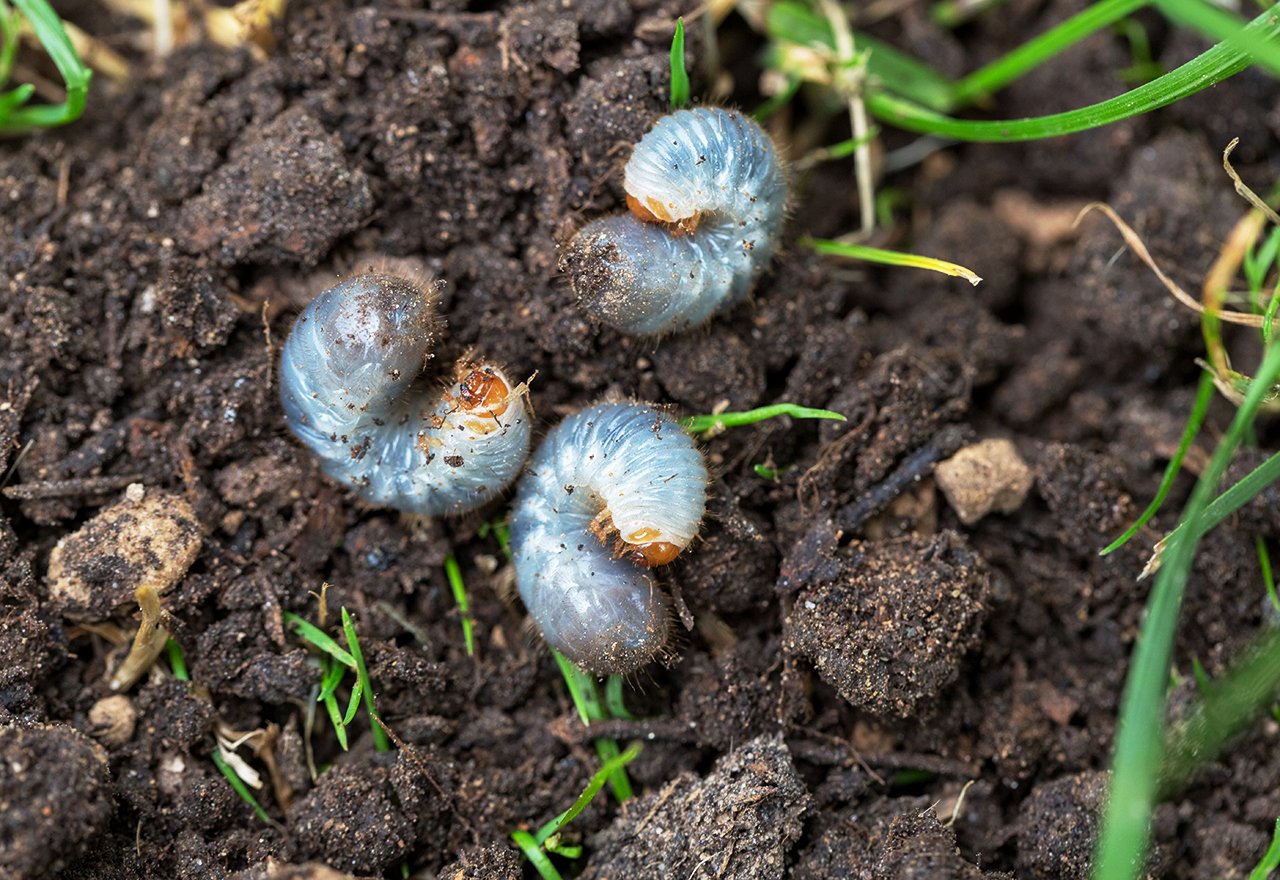
Grub Damage
Grubs are the larval stage of a beetle. Japanese Beetles are the most recognizable but not the most damaging grubs. Masked Chafer, and European Chafer Grubs also cause damage. Grubs start off as Eggs in your soil in the late summer.
Learn More Here
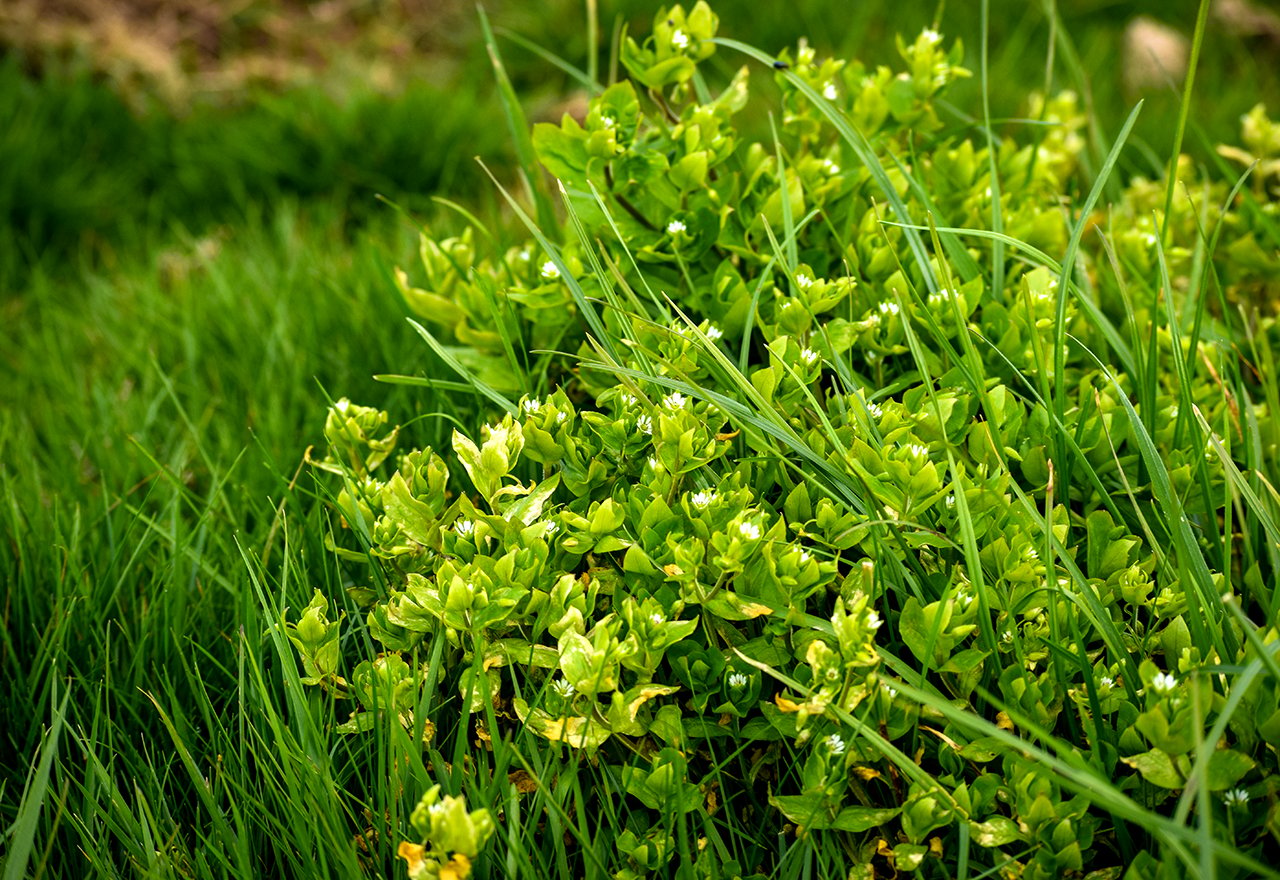
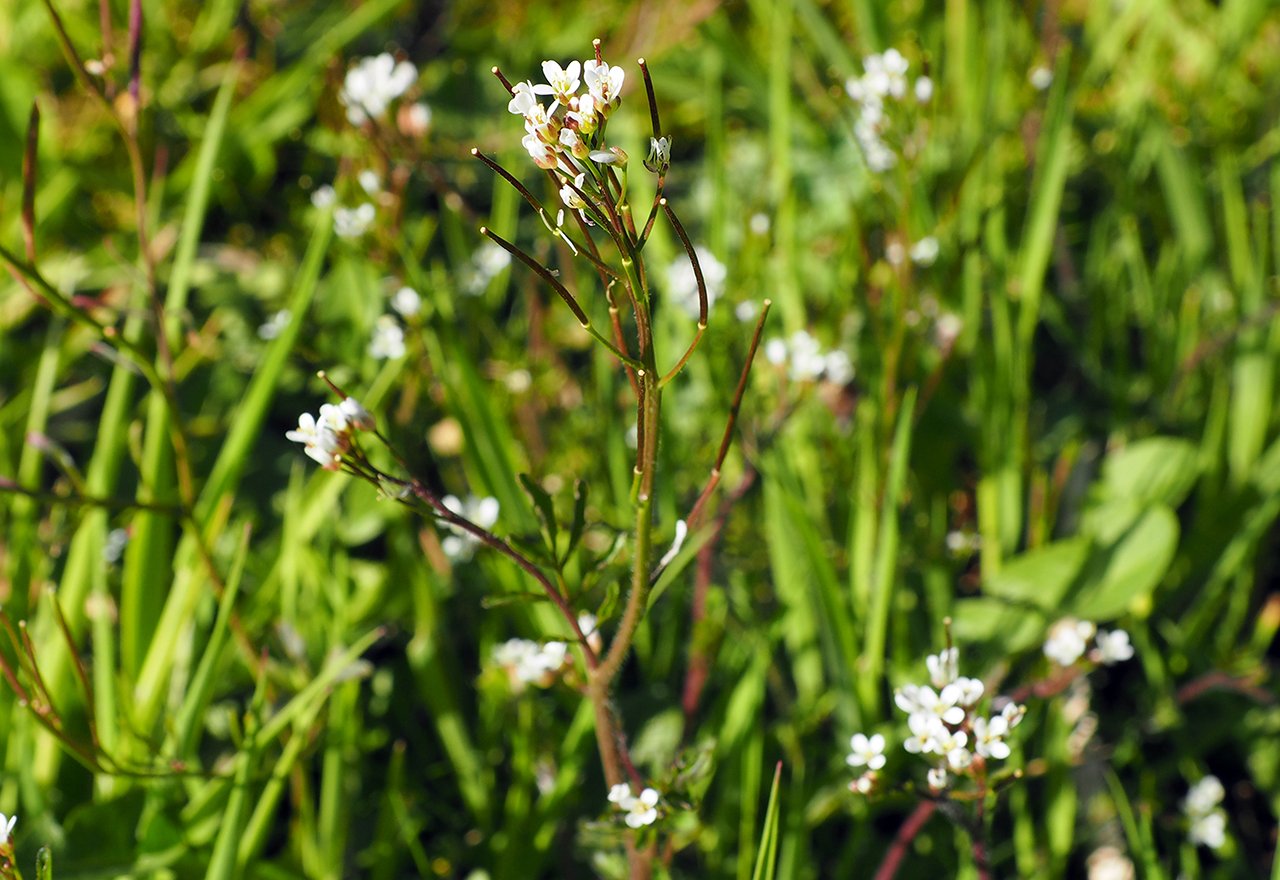
Hairy Bittercress
Hairy Bittercress, is a Winter Annual Weed. As a winter annual, it germinates sometime in the late fall...
Learn More Here
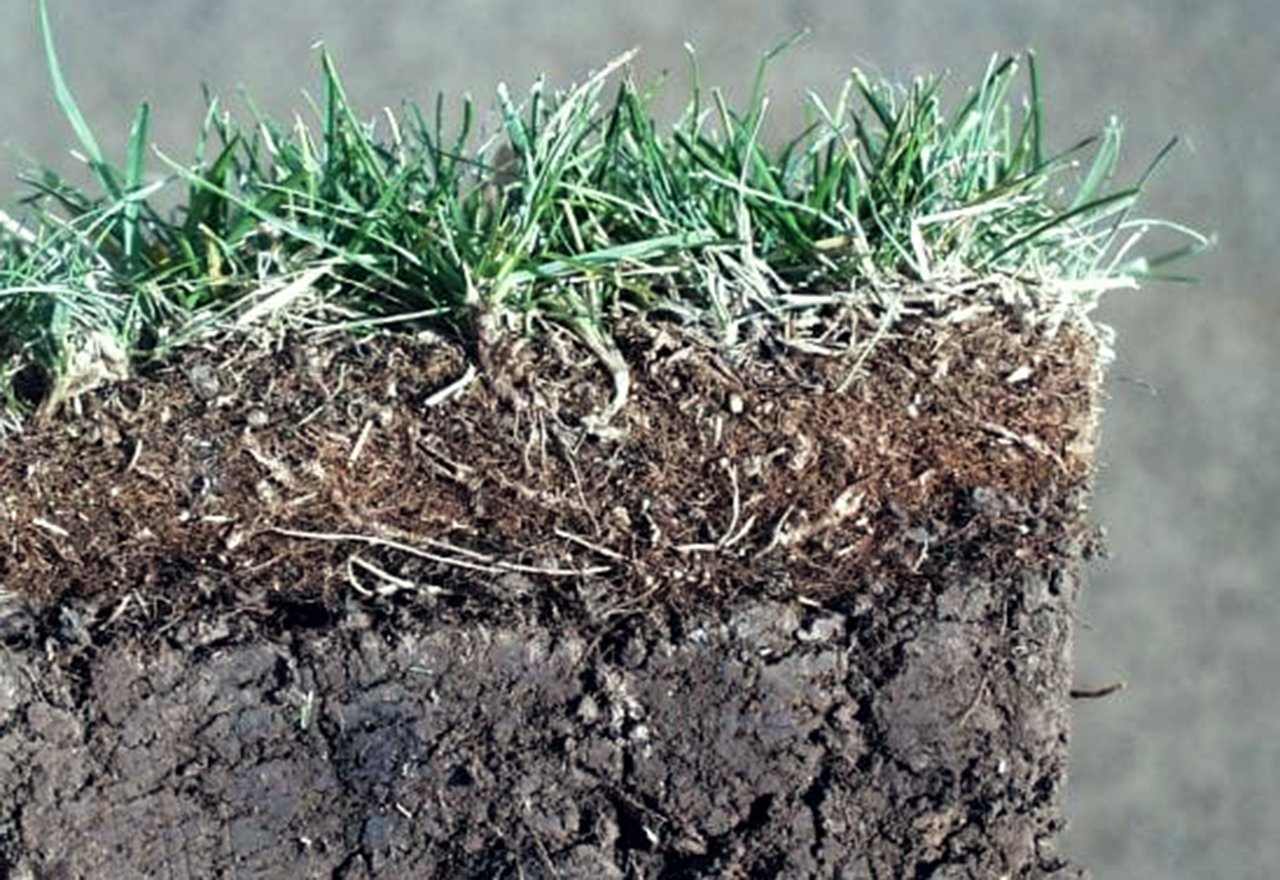
Heavy Thatch
Thatch is a layer of both dead and living shoots, stems and roots that accumulate just above the soil surface. Thatch is not really made up of grass clippings – grass clippings are mostly water and decompose easily.
Learn More Here
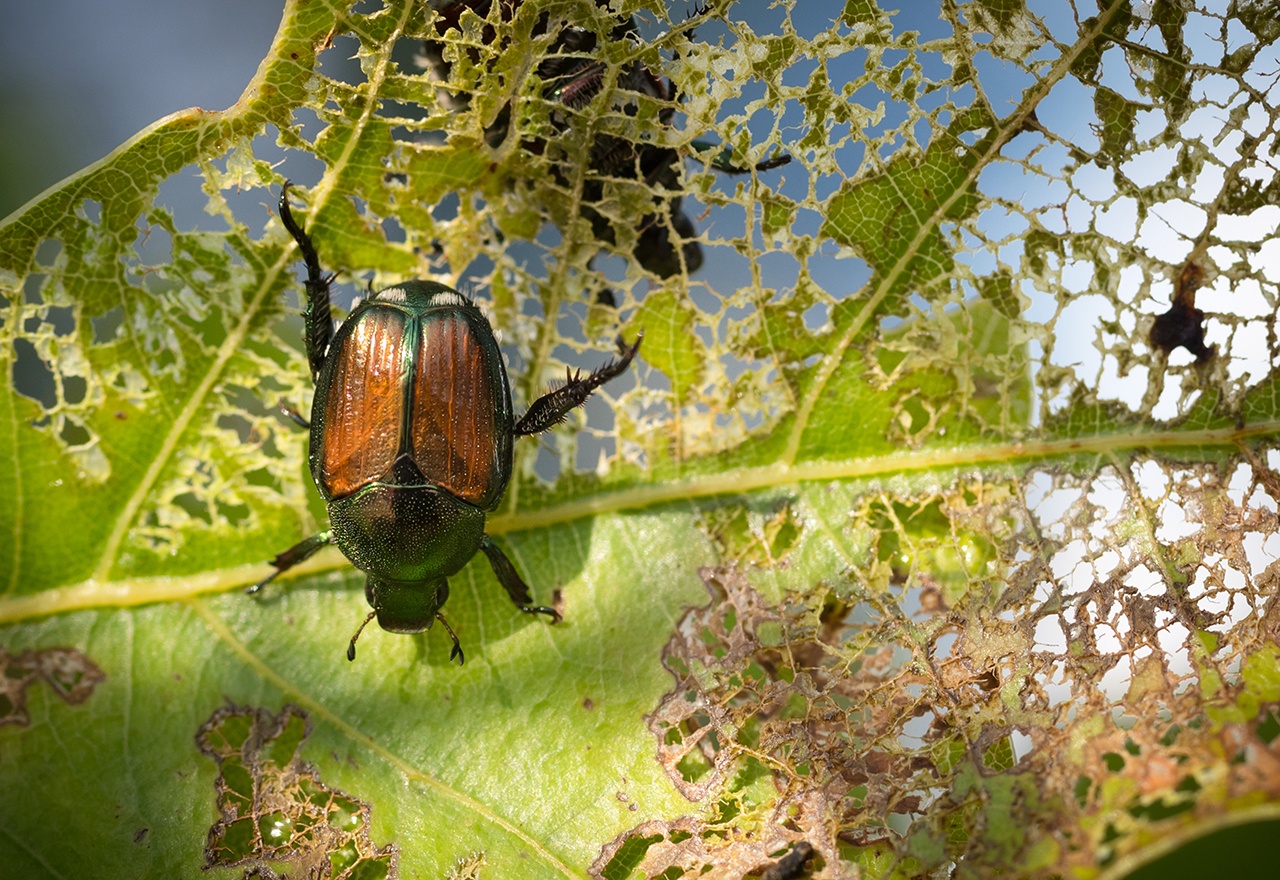
Japanese Beetles
The Japanese beetle is one of the most devastating pests of urban landscape plants in the eastern United States...
Learn More Here
Lawn Color
Weak Color, Good Color, Beautiful Green
Learn More Here
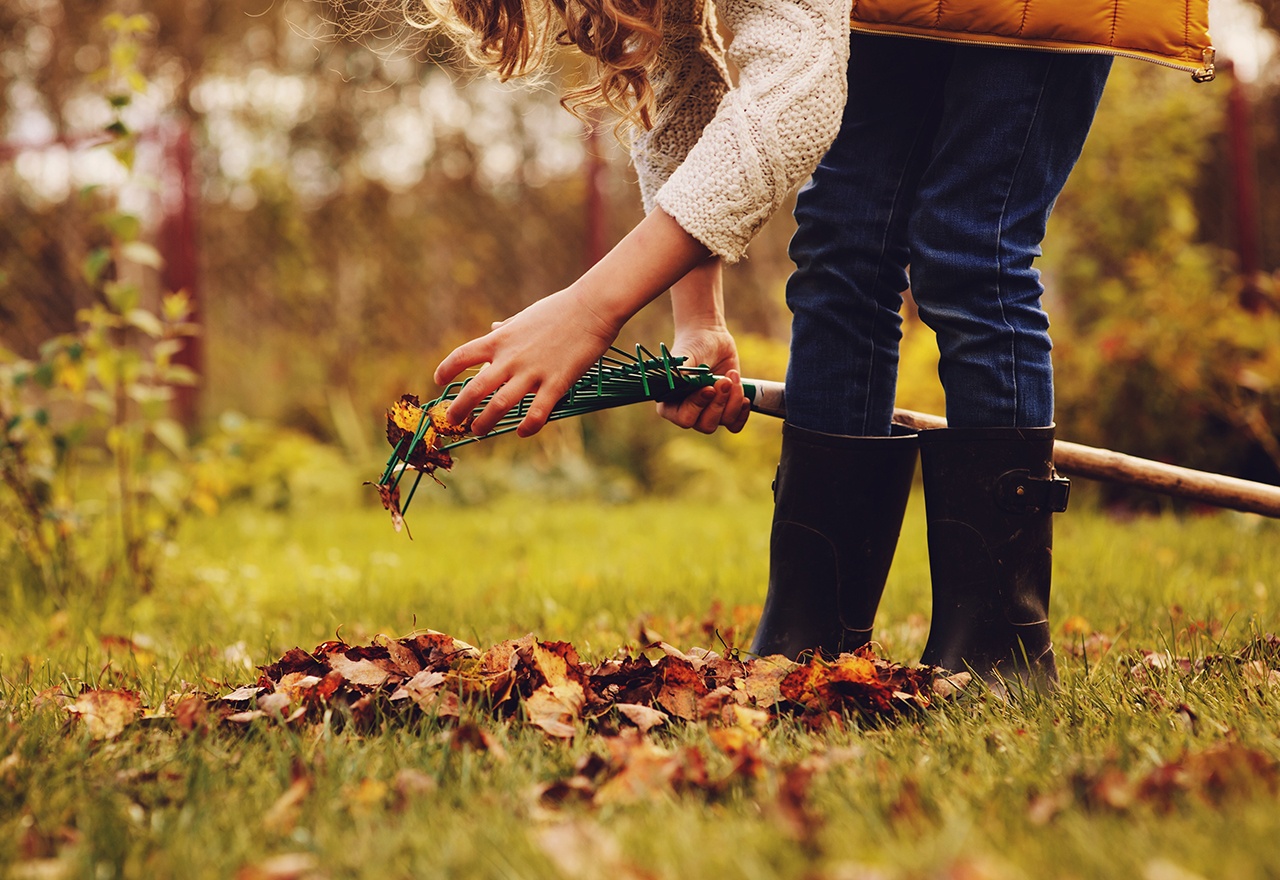
Leaves on Lawn
Leaves on the Lawn
Learn More Here
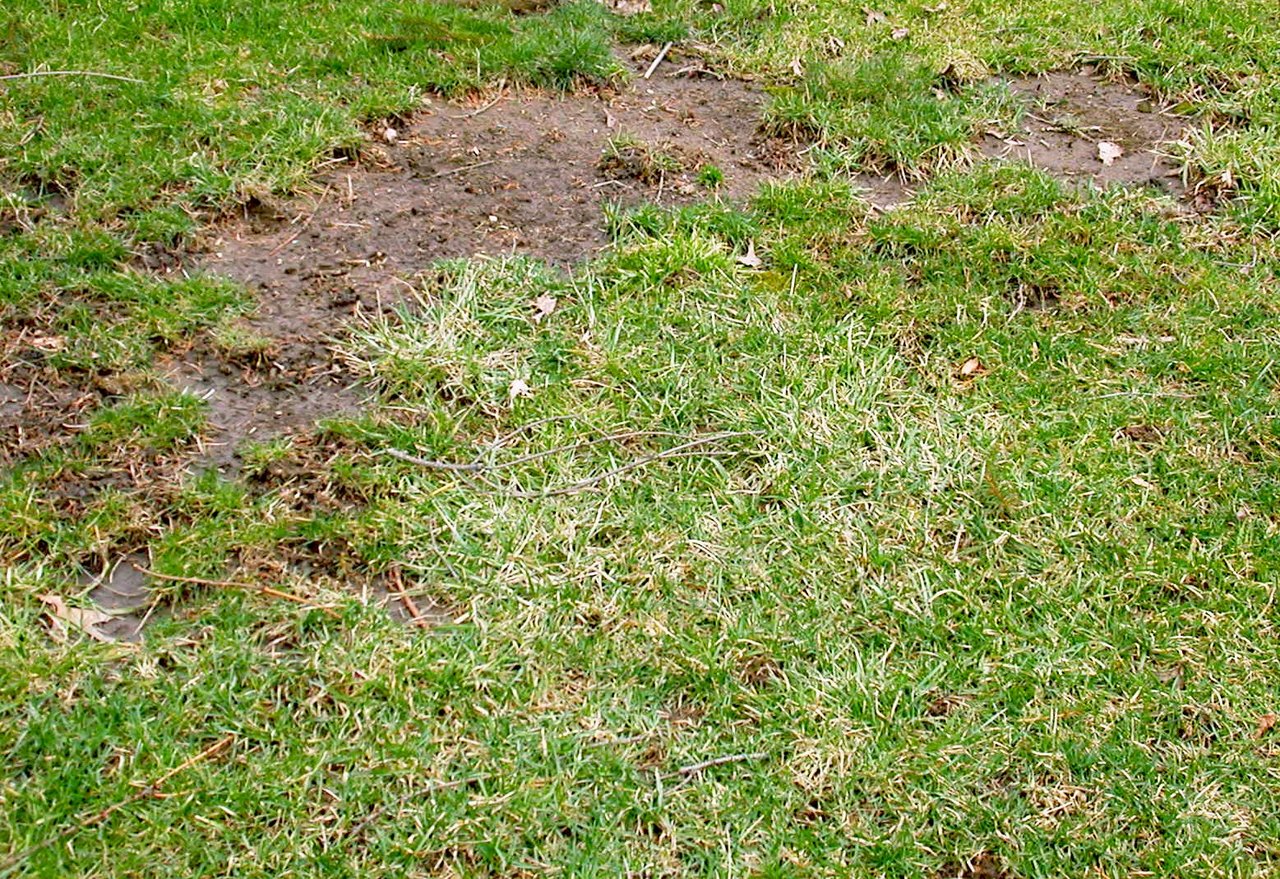
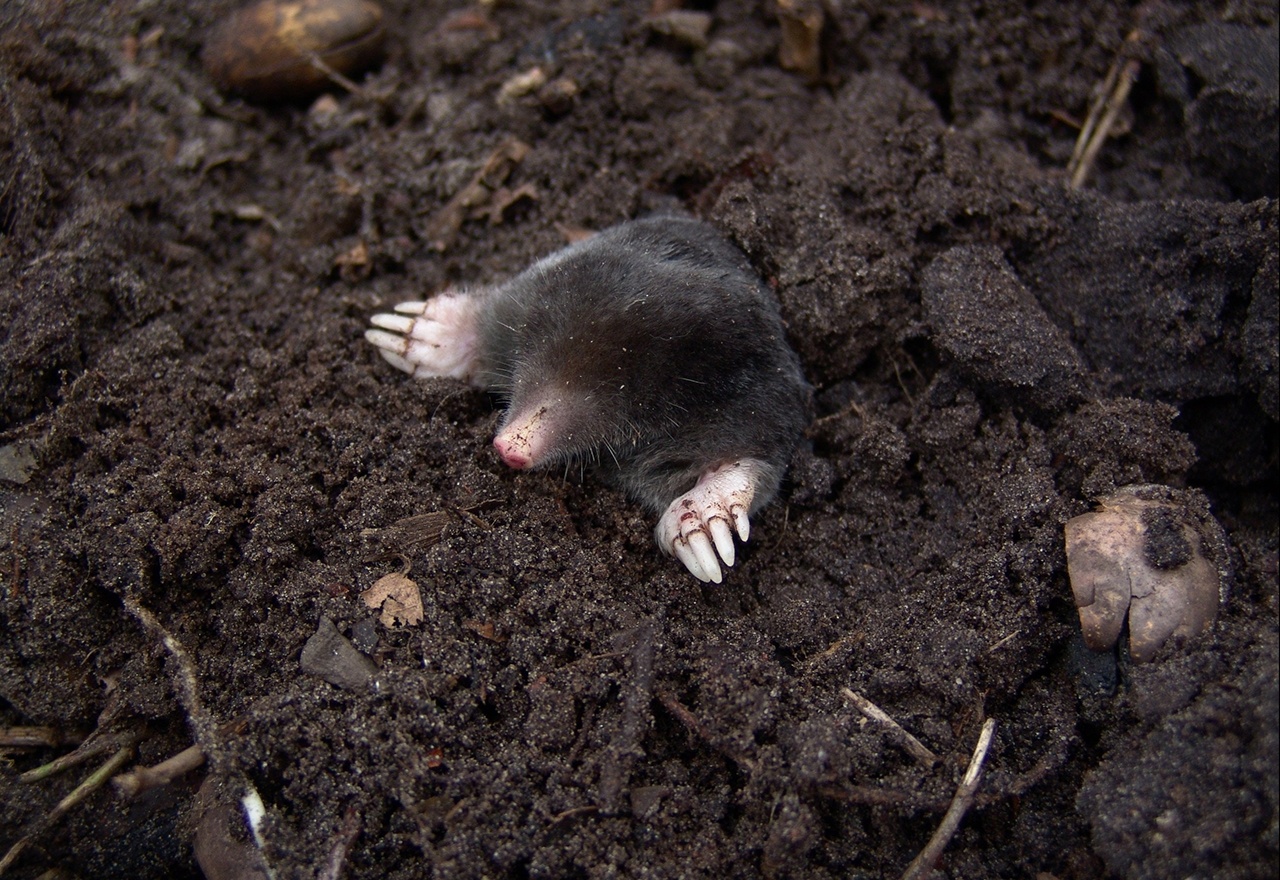
Mole Lawn Damage - Lawn Mole Control
We noticed a little bit of mole damage in your lawn. Moles don’t really do much actual harm, so if they don’t bother you, don’t worry about it. It is good though if you can smooth out any piles they make and plant some grass seed in the dirt spot to keep weeds from germinating.
Learn More Here
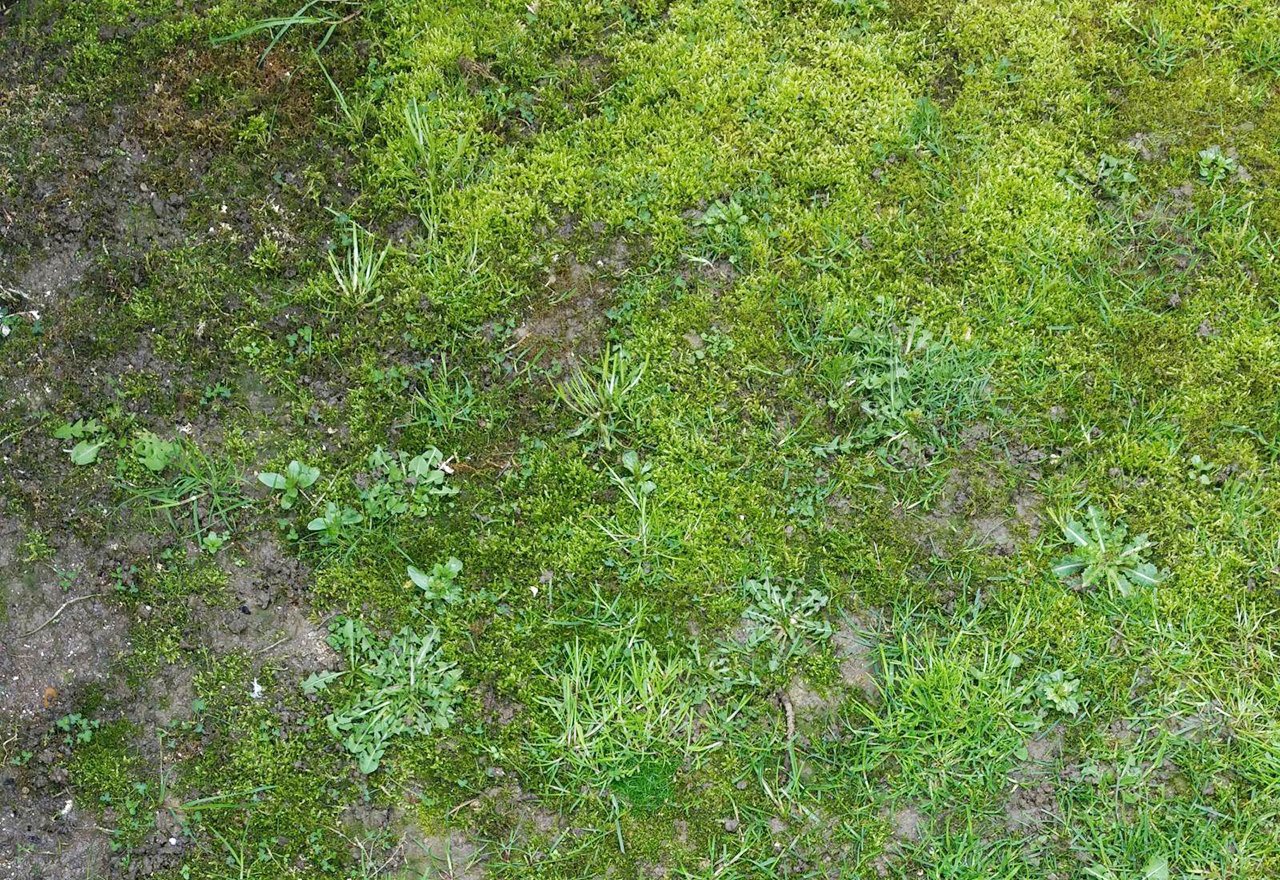
Moss
Moss typically grows where grass has a difficult time growing – killing the moss won’t help grass grow. If you have moss, many times the alternative is dirt, so be glad you have some moss! Damp, shady, areas are ideal for moss growth.
Learn More Here
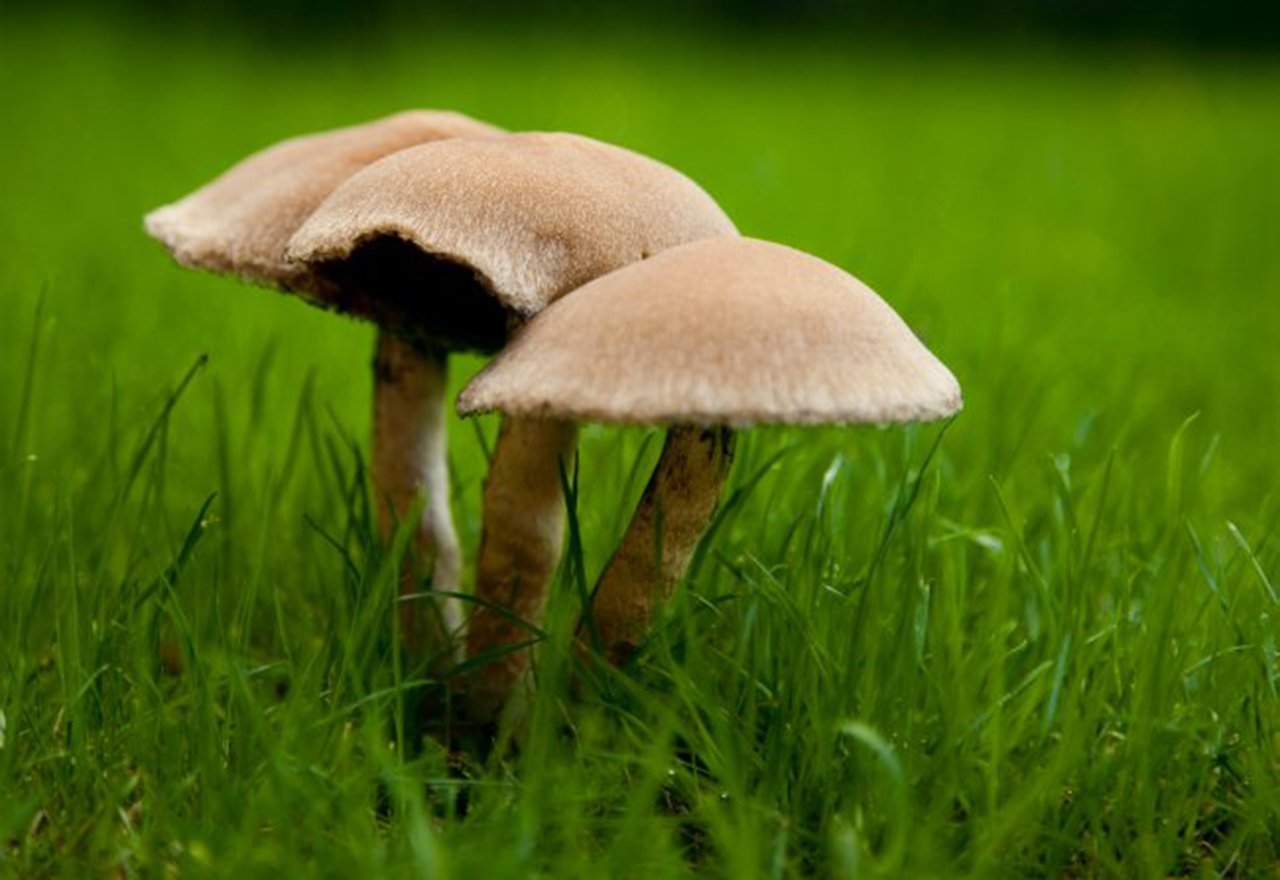
Mushrooms
You have some mushrooms in your lawn. Mushrooms are the fruiting bodies of fungi in the soil. Typically mushrooms are a result of some kind of decomposing wood in the soil – old tree roots are a common cause of mushrooms.
Learn More Here
Newer Lawn Poor Soil
Looks like you have a newer lawn that does not have good soil – this is typical of newer lawns. Topdressing with compost, soil testing, Core and Liquid Aerating will all help improve the soil faster. Click the link or contact us if you’d like more information.
Learn More Here
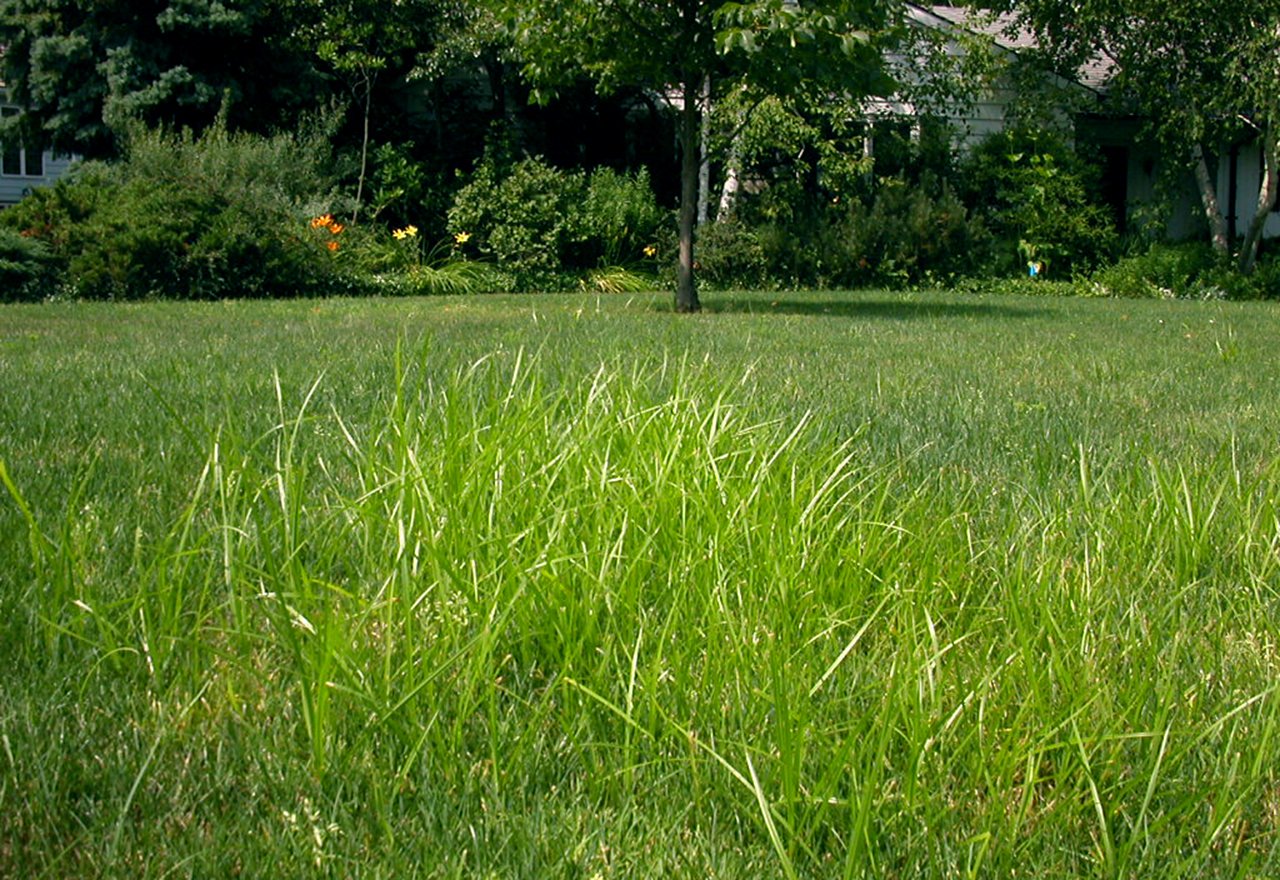
Nimblewill
Your lawn has some patches of nimblewill, a warm season grass that stays green in hot weather and turns brown when the weather gets cold.
Learn More Here
Not Mowing Enough
Looks like you may not be mowing your lawn quite often enough. Either there were clumps of clippings on the lawn or it is a little higher than we normally see. If you’re mowing high and not removing more than 1/3 of the grass blade each cutting then disregard this note, you’re doing fine.
Learn More Here
Nutsedge
Nutsedge is actually a sedge, not a grass. You can tell from its triangular stem.
Learn More Here
Oxalis
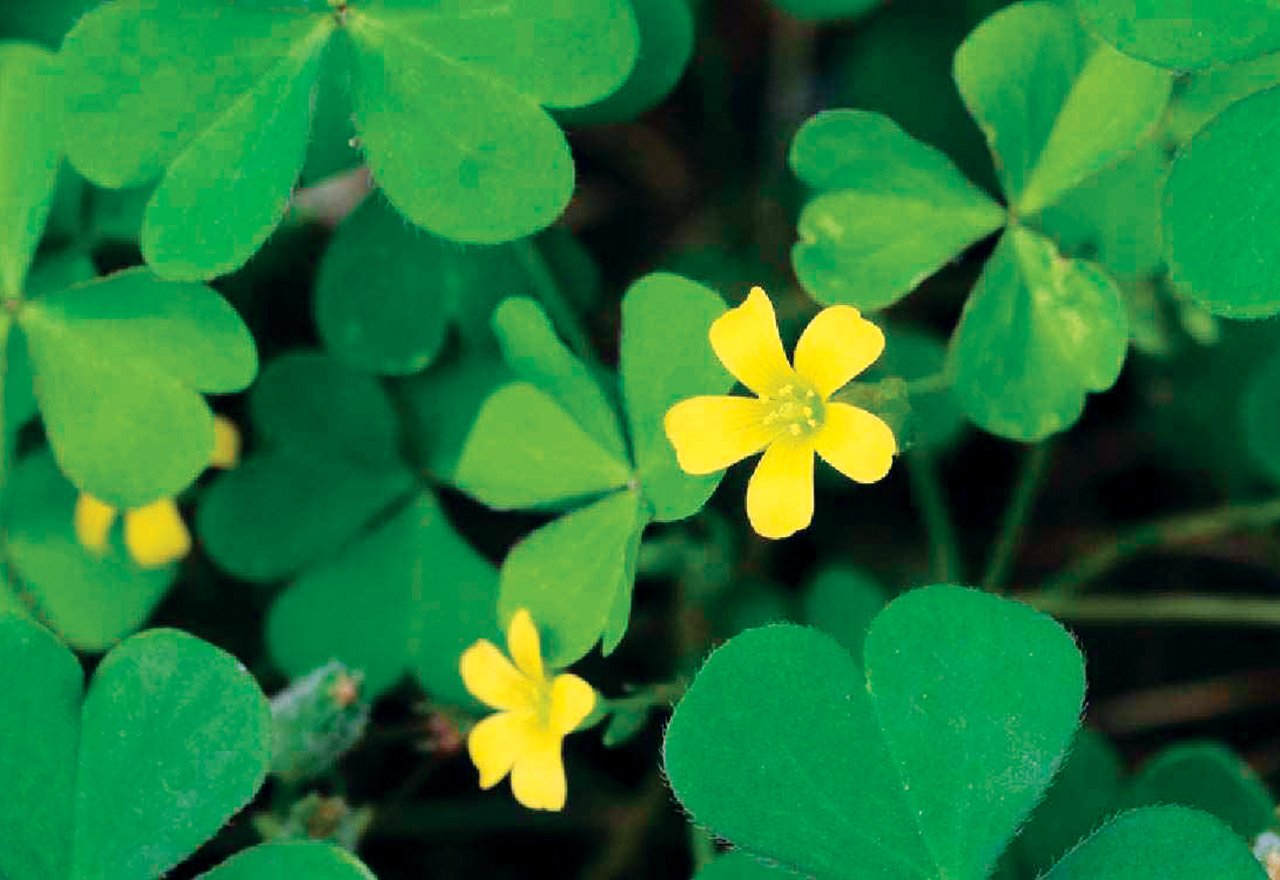
Oxalis, also referred to as Yellow Wood Sorrel, is a Summer Annual Weed. As a Summer Annual, it germinates sometime in the late spring and grows well during the heat of summer then dies off with the cold weather. Oxalis is sometimes referred to as “yellow clover” because it looks like clover but has a yellow flower.
Learn More Here
Perennial Broadleaf Weeds
Mild Broadleaf Weeds, Moderate Broadleaf Weeds, Very Heavy Broadleaf Weeds
Learn More Here
Pink Patch Lawn Fungal Disease
Pink Patch is a fungal organism that causes patches of turf to turn brown and produce a pink fuzz cotton candy like material. Pink Patch can be unsightly but in most cases the grass will recover just fine when the temperature cools in the fall.
Learn More Here
Powdery Mildew Treatment - Organic Lawn Disease Control
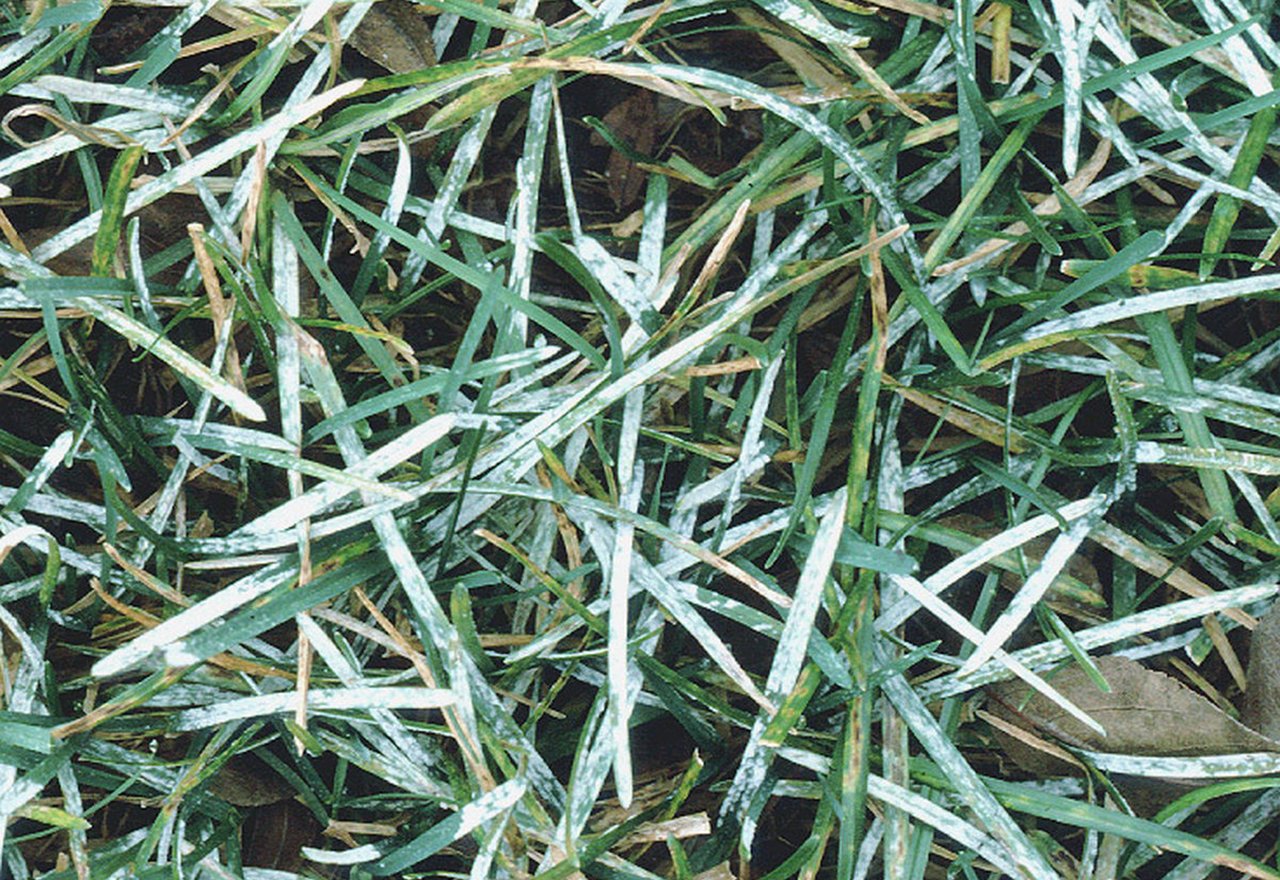
Powdery mildew fungi are found on many native plants, cultivated crops, ornamentals, and turfgrass species. In general, it is not considered to be a serious disease on turf.
Learn More Here
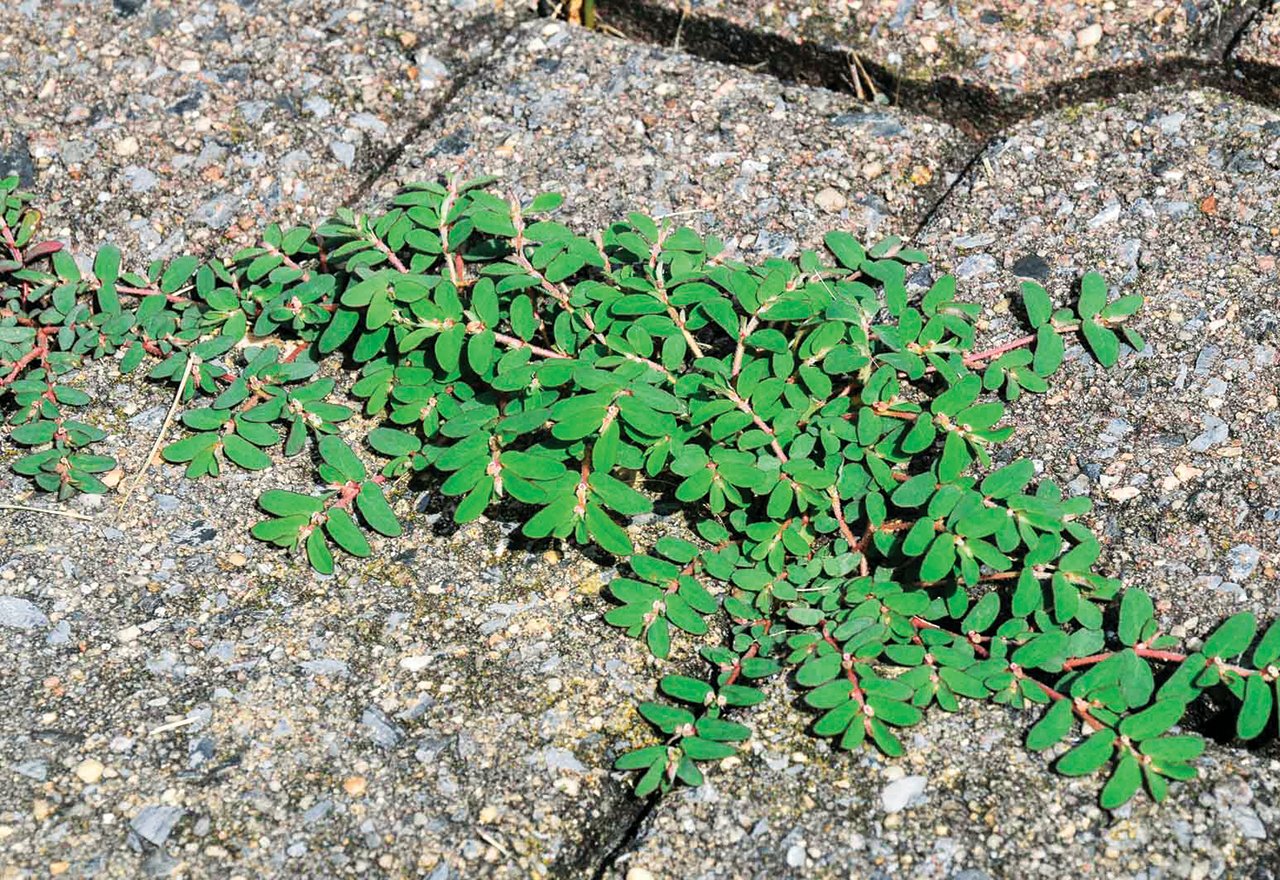
Prostrate Spurge
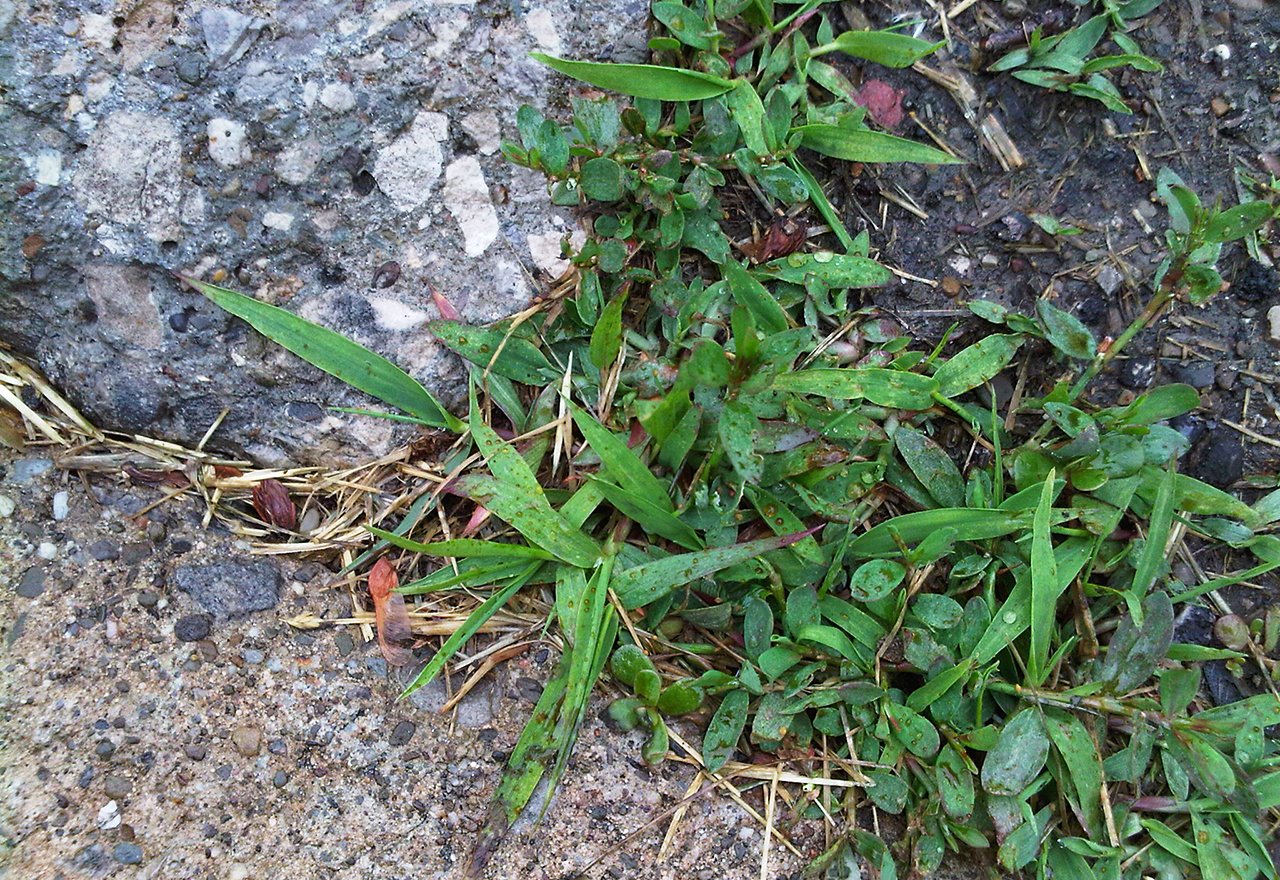
Prostrate Spurge is an annual weed that sprouts in the late spring, grows over the summer, and dies in the fall. If you break open its stems there is a white milky substance.
Learn More Here
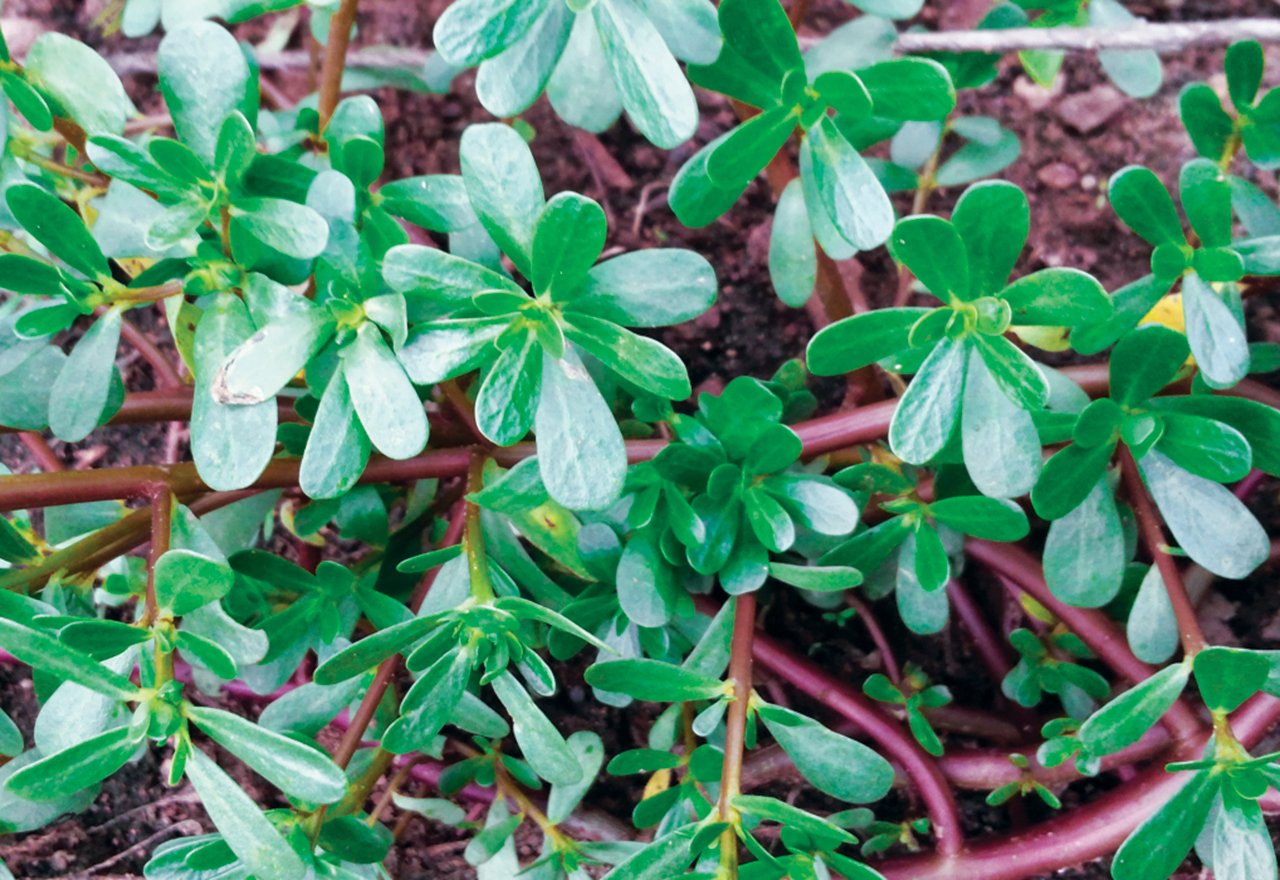
Purslane
Purslane is an annual weed that sprouts in early summer and dies in the fall. Its distinctive red stems make it easy to identify.
Learn More Here
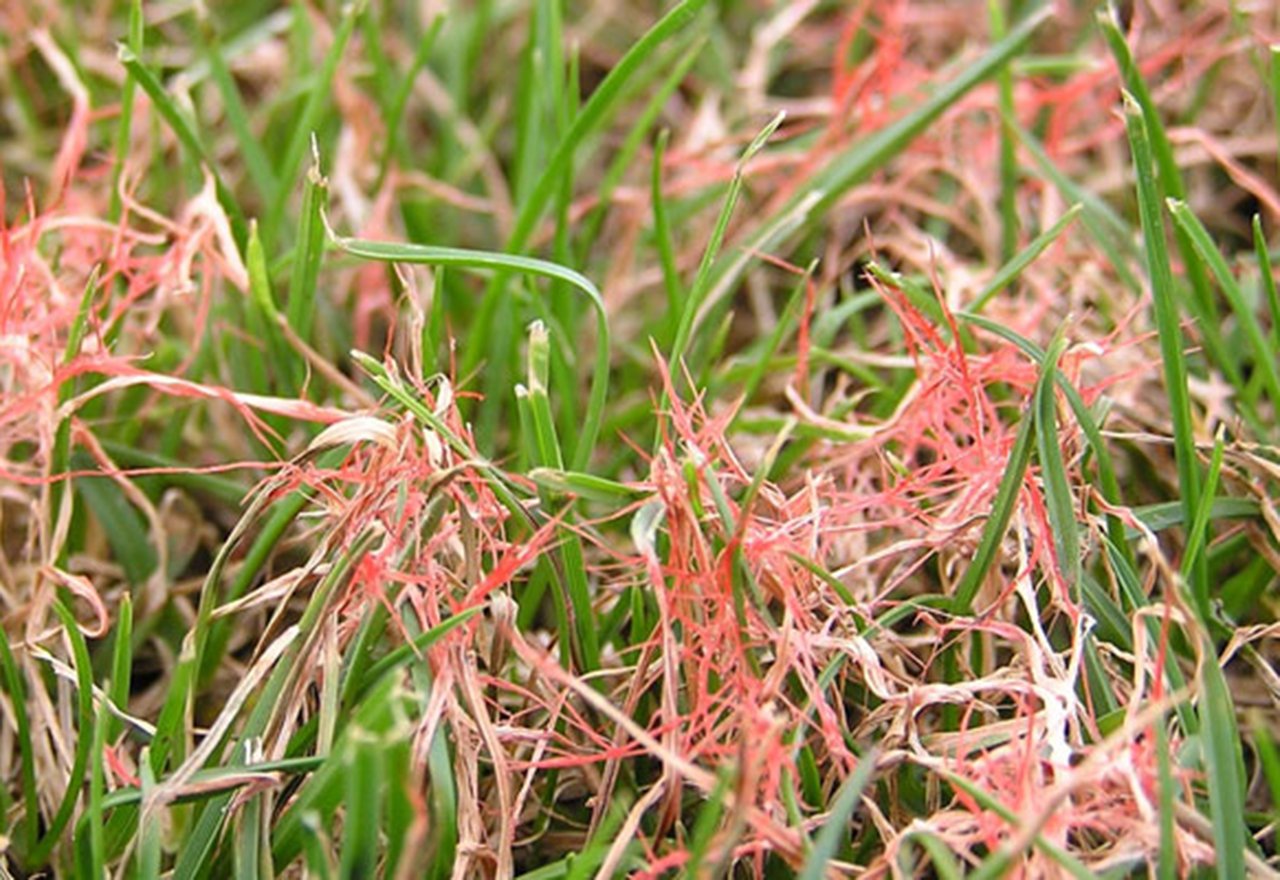
Red Thread Grass Disease - Lawn Disease Control
Red Thread is a fungal organism that causes patches of turf to turn brown and produce strands of red threadlike material.
Learn More Here
Rough Bluegrass
Rough Bluegrass is a cool season grass that does well in damp shady areas. Consequently, it thrives in our cool wet spring conditions, but turns brown and plays dead as soon as the weather gets warm.
Learn More Here
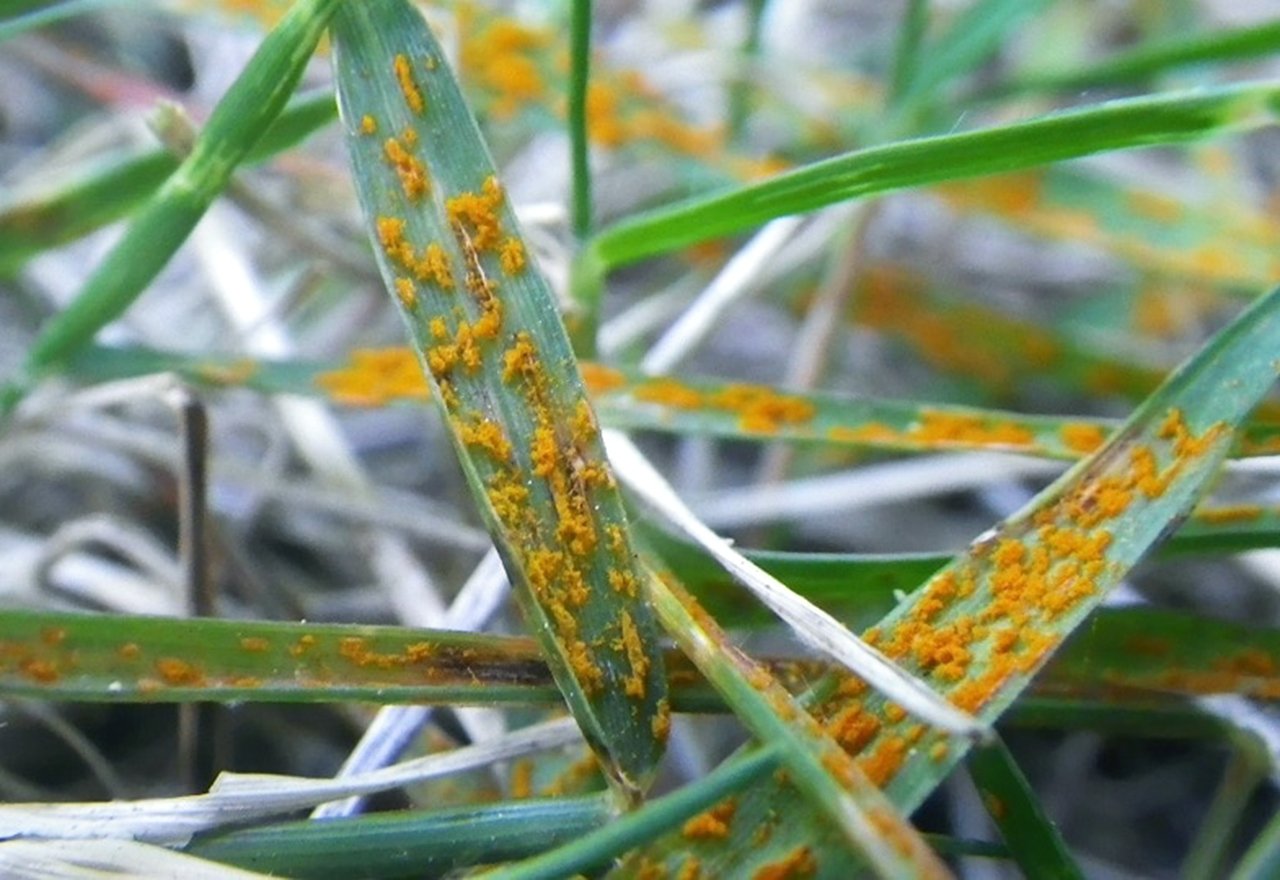
Rust (fungal lawn disease)
Rust is a fungal organism that causes orange / brown growths to form on the grass. The rust will not harm the grass, but will probably turn your shoes brown.
Learn More Here
Snow Mold Fungus - Lawn Disease Control
Snow Mold is caused by a fungus that is active over the winter under the snow.
Learn More Here
Snowplow Damage
Looks like the snowplow did some damage to the edges of your lawn this winter.
Learn More Here
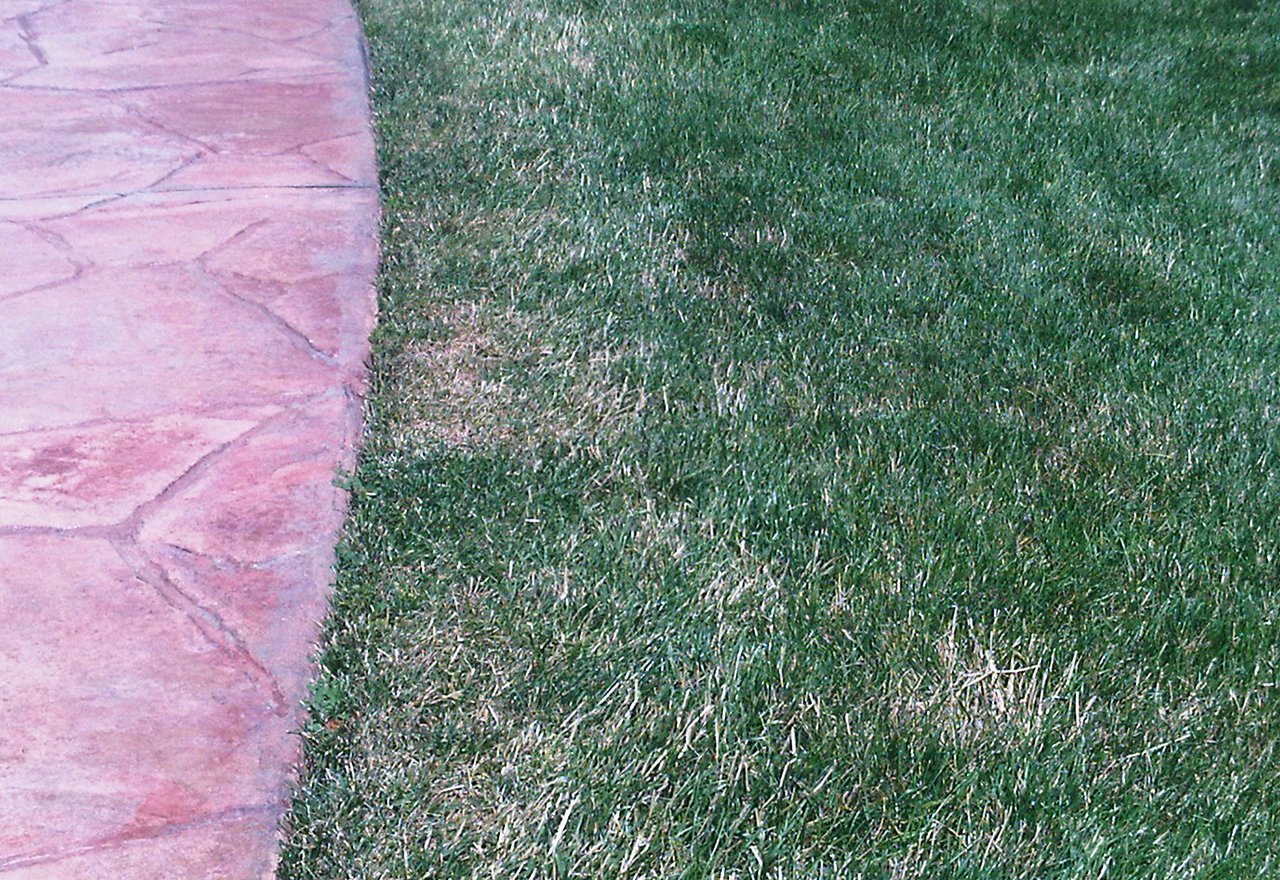
String Trimmer Edging Damage
It looks like someone is using a string trimmer to “edge” your lawn and is actually scalping the edges which will lead to weeds and crabgrass taking over those spots.
Learn More Here
Thin Areas
If you’re lawn is thin you may be able to do some seeding to thicken it up, improve its appearance and weed resistance. One of the best ways to improve your lawn is with super seeding.
Learn More Here
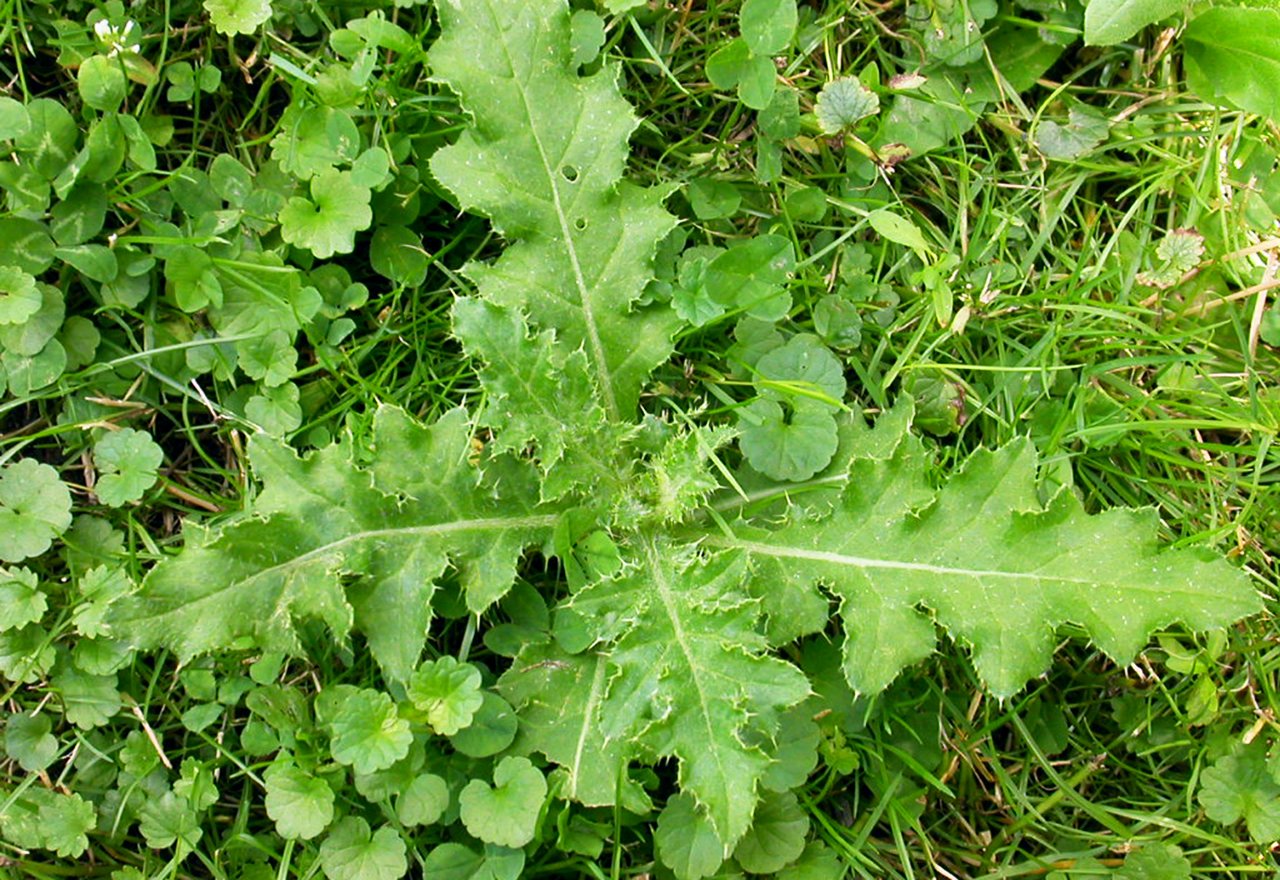
Thistles
Thistle is a fast spreading difficult to control perennial plant. While birds may like it, people walking barefoot through a lawn generally find its prickly leaves painful. Thistle has a lot of underground roots and is difficult to kill either naturally or with chemicals.
Learn More Here
Tree Lawn Problems
Tree lawns are the most difficult part of the lawn to keep looking nice and yours is no exception. Plow Damage, Road Salt, and Hot edges make tree lawns a great spot for crabgrass and weeds.
Learn More Here
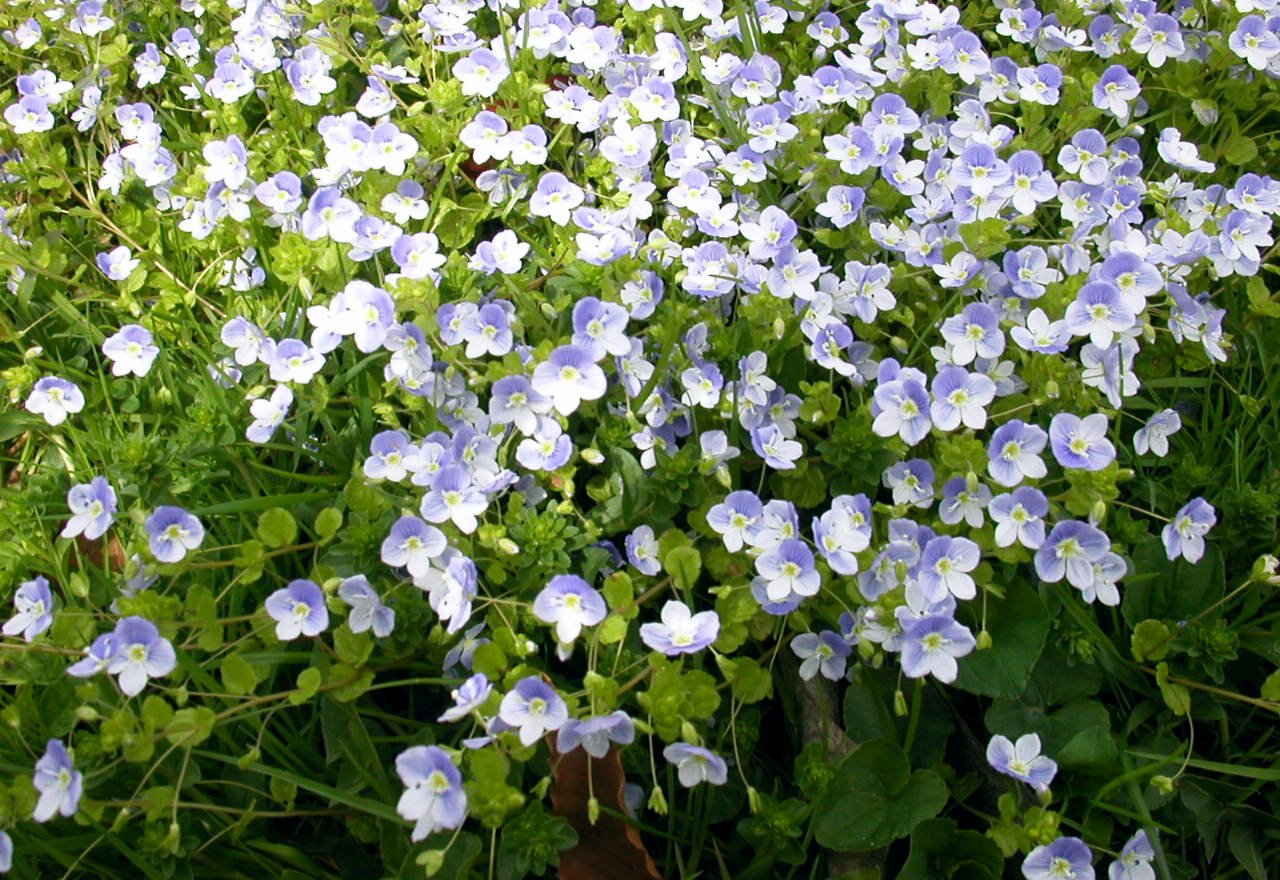
Veronica
Veronica is a spreading type of plant that has a purple flower in the early spring. Many people think it’s beautiful, many don’t.
Learn More Here
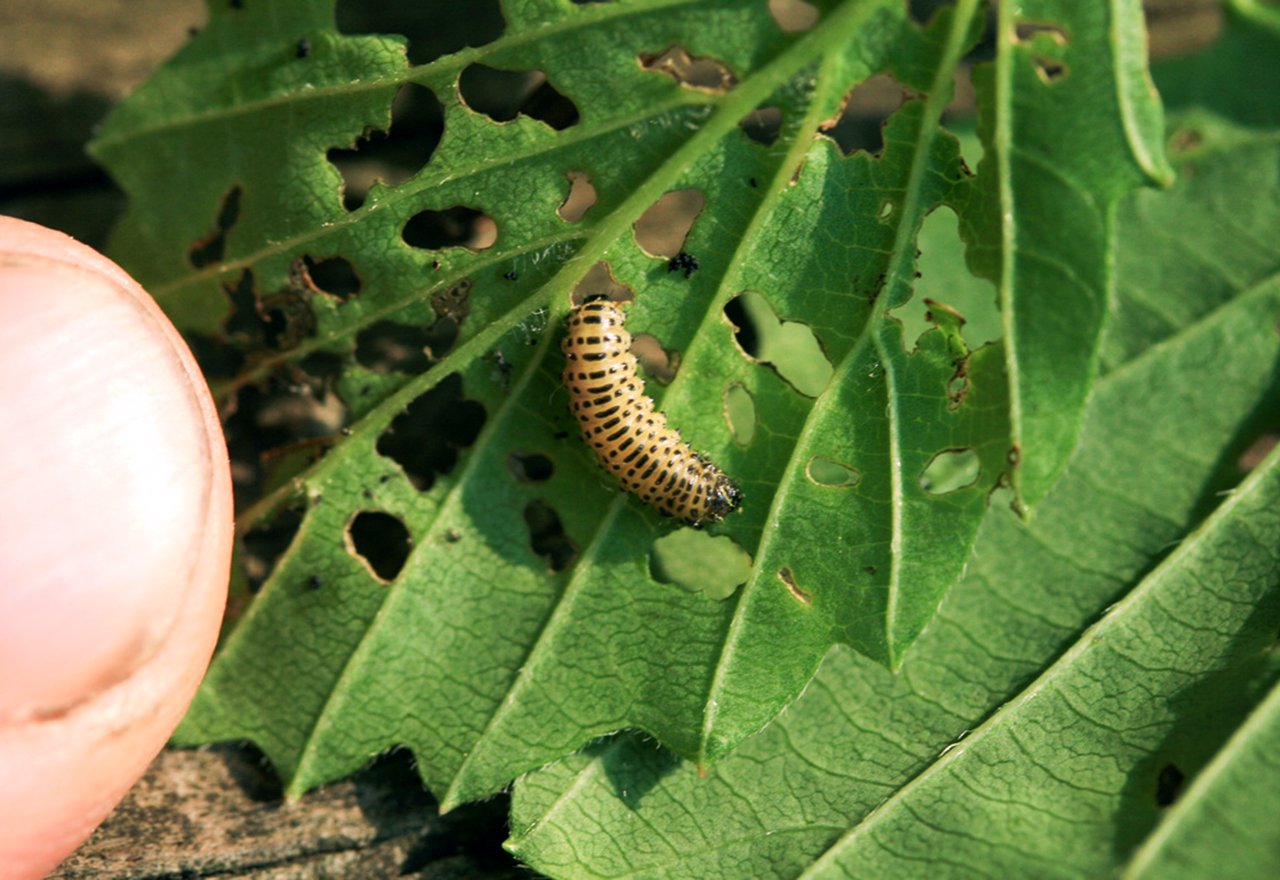
Viburnum Leaf Beatles
The viburnum leaf beetle, a native of Europe, was first found in North America in 1947 in the Niagara Peninsula of Ontario, Canada...
Learn More Here
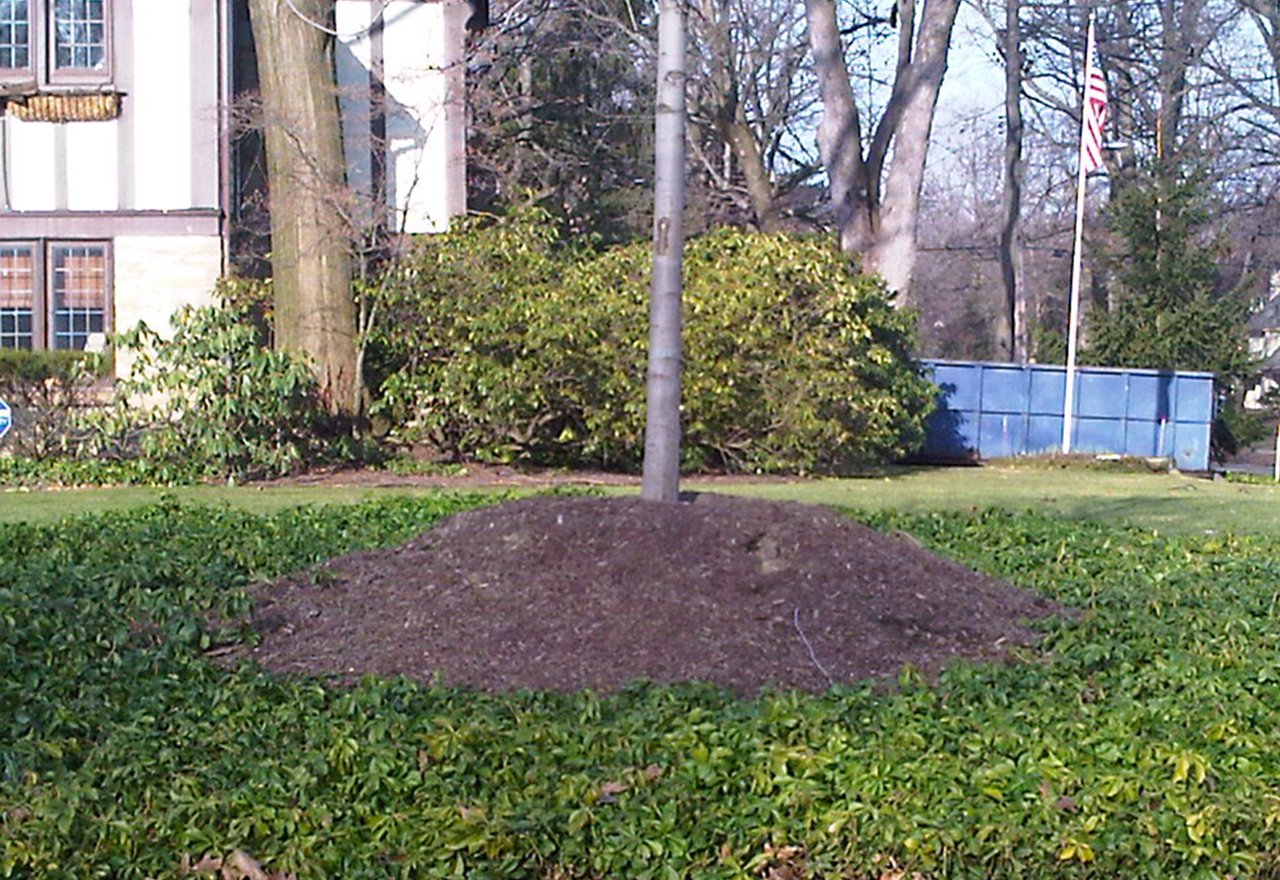
Volcano Mulching
We noticed that at least some of your trees is mulched a little bit to high around the trunk.
Learn More Here
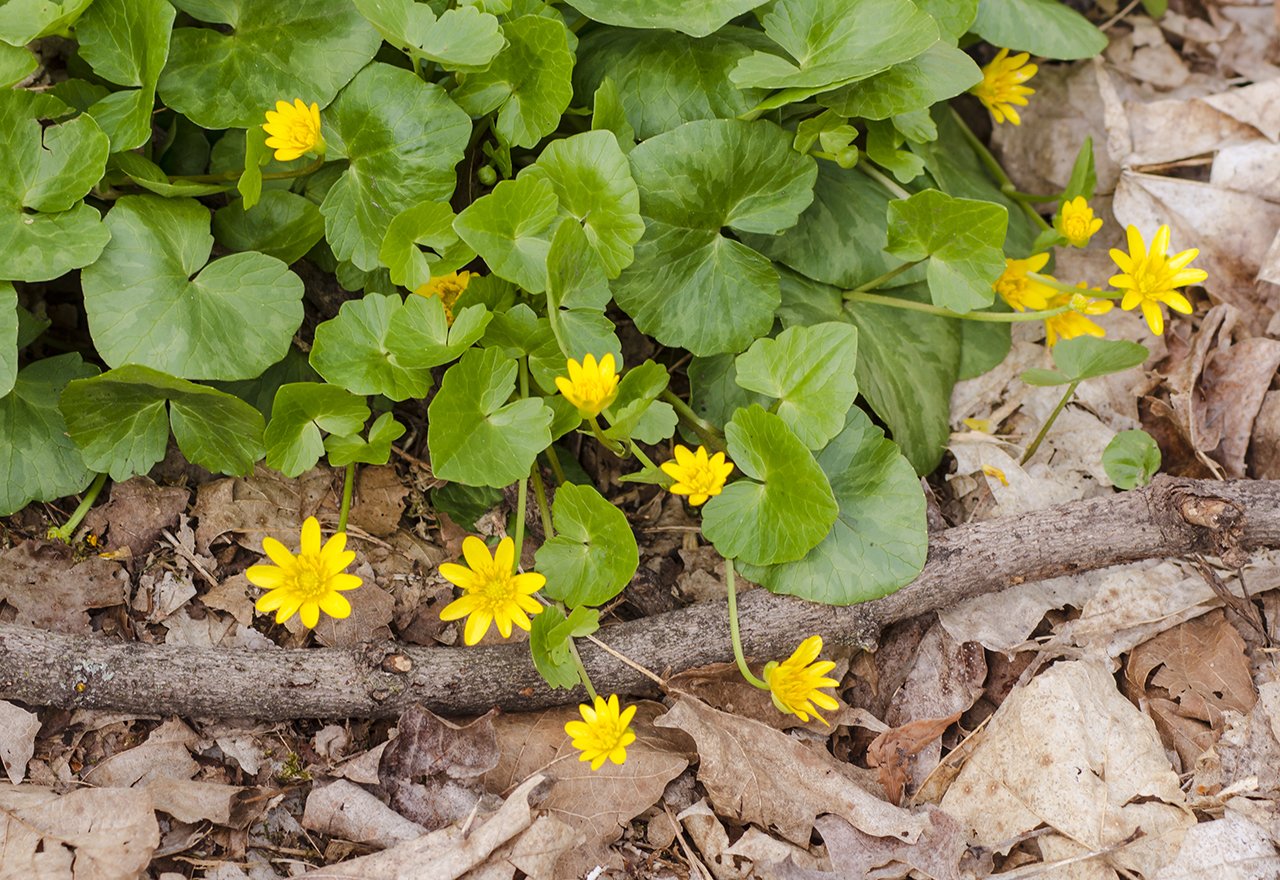
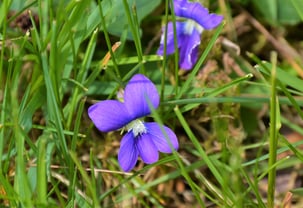
Wild Violet
Violets have a pleasing purple color and spread via underground perennial roots, forming large colonies...
Learn More Here
Zoysia Grass
Zoysia grass is a warm season grass that was refined by the US Department of Agriculture and the PGA back in 1953.
Learn More Here