


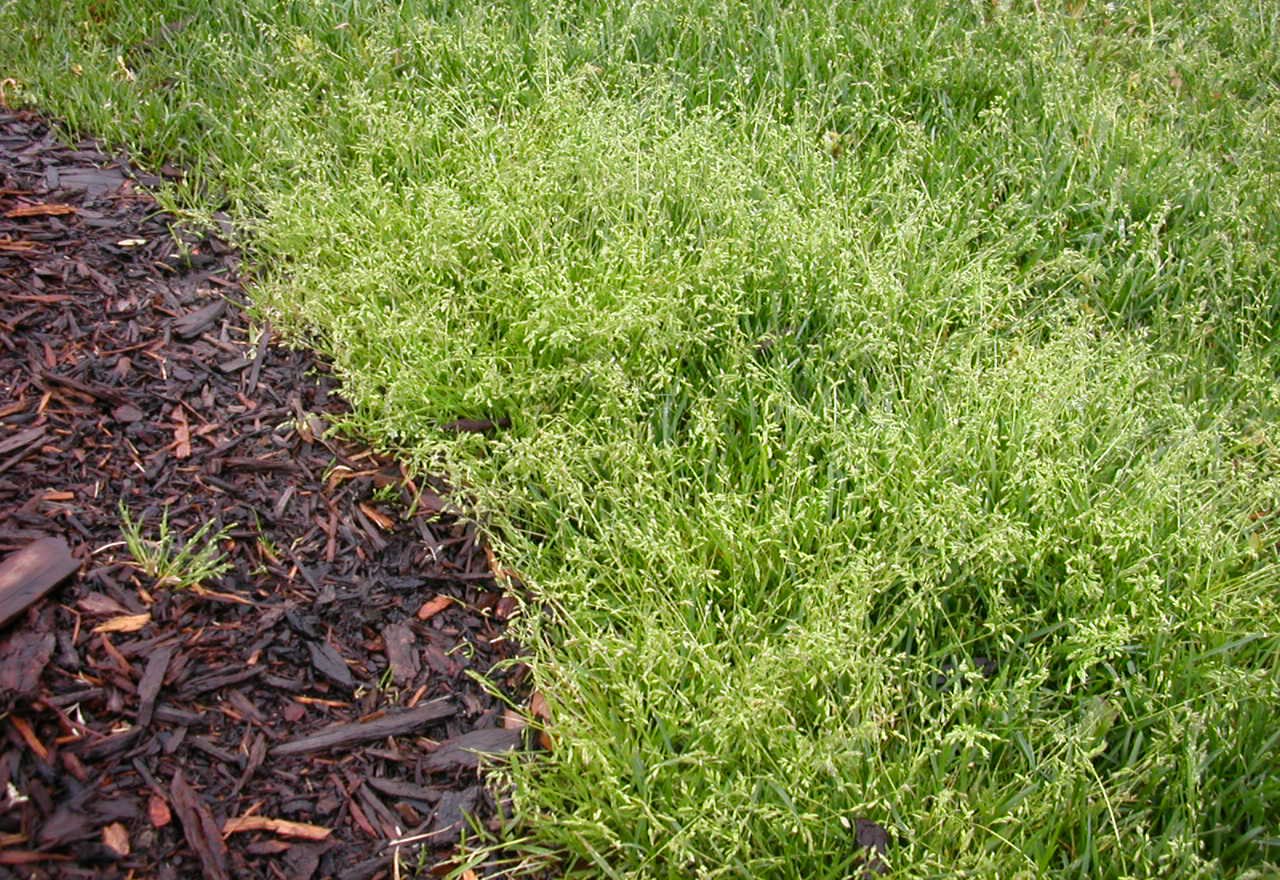
A weedy grass that has white seed heads and sprouts in the Spring.

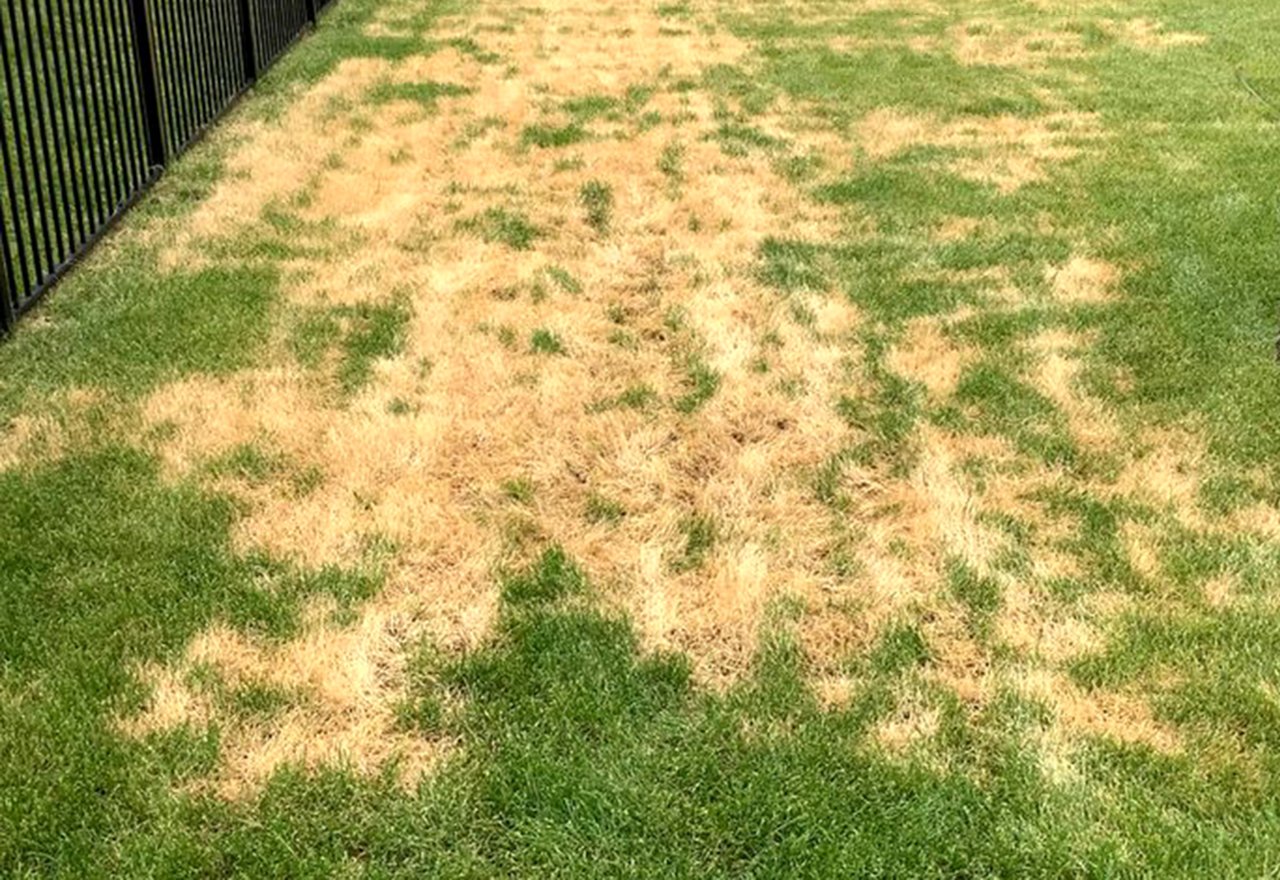
A fungus that appears quickly and causes large bleached patches

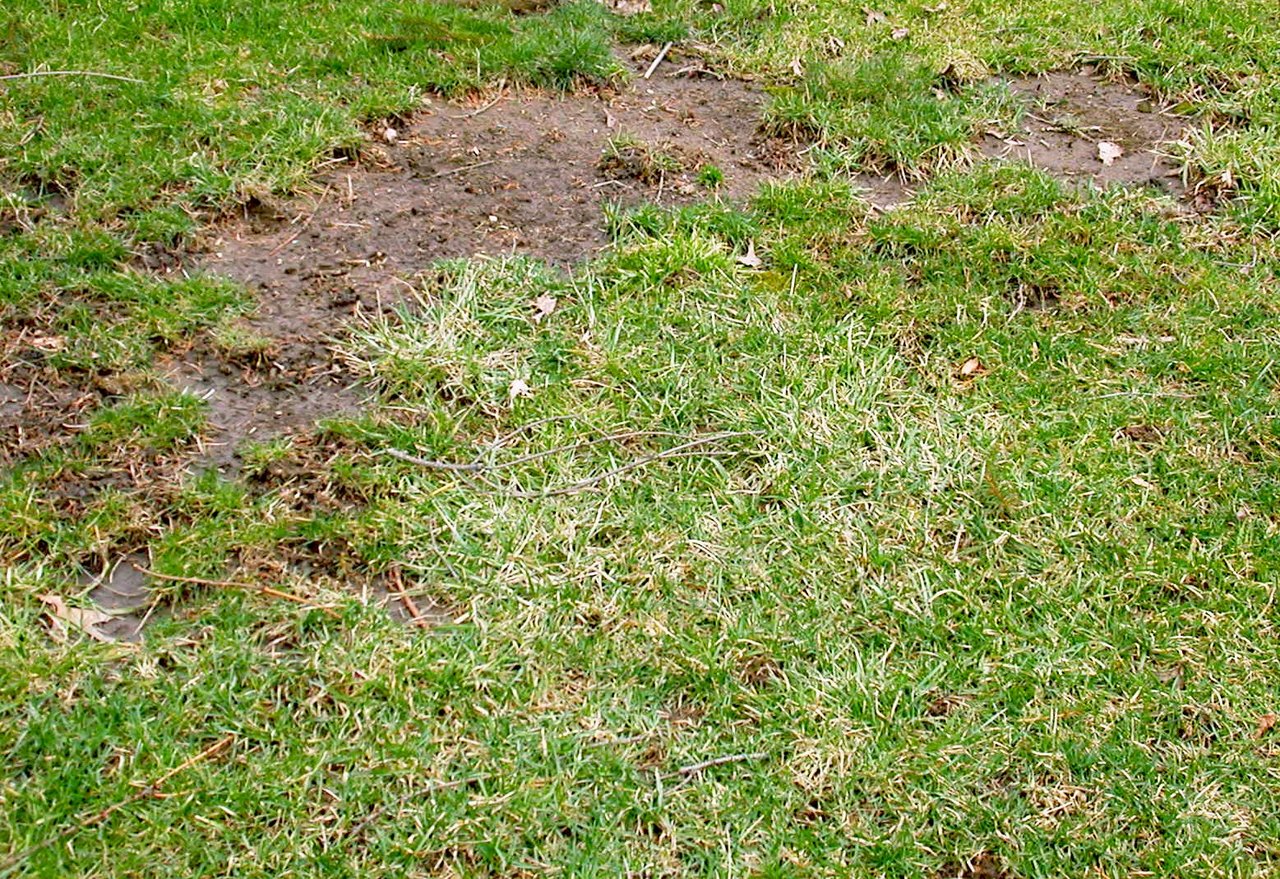
Patches of your lawn that have exposed dirt and no grass.

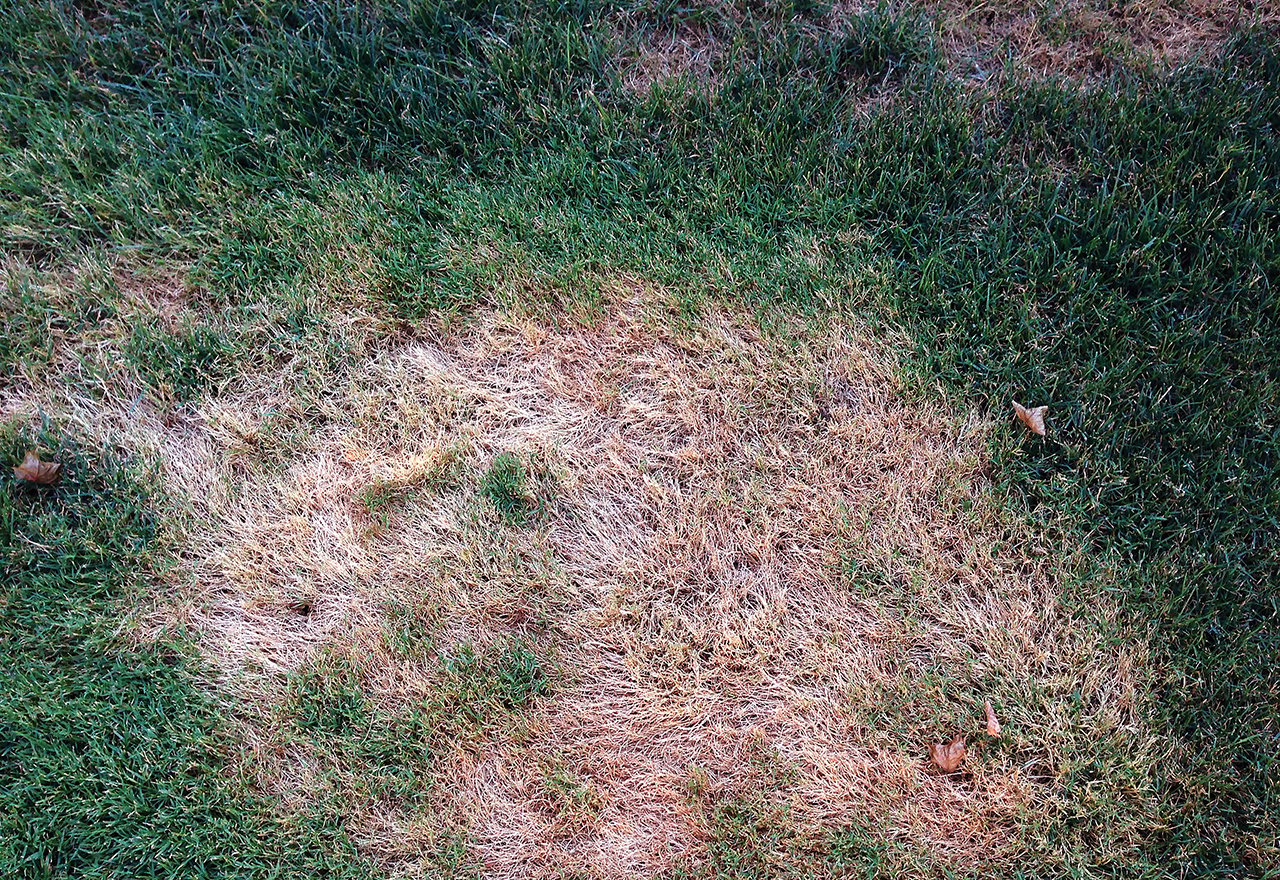
A cool season grass that turns brown and looks dead in hot weather.

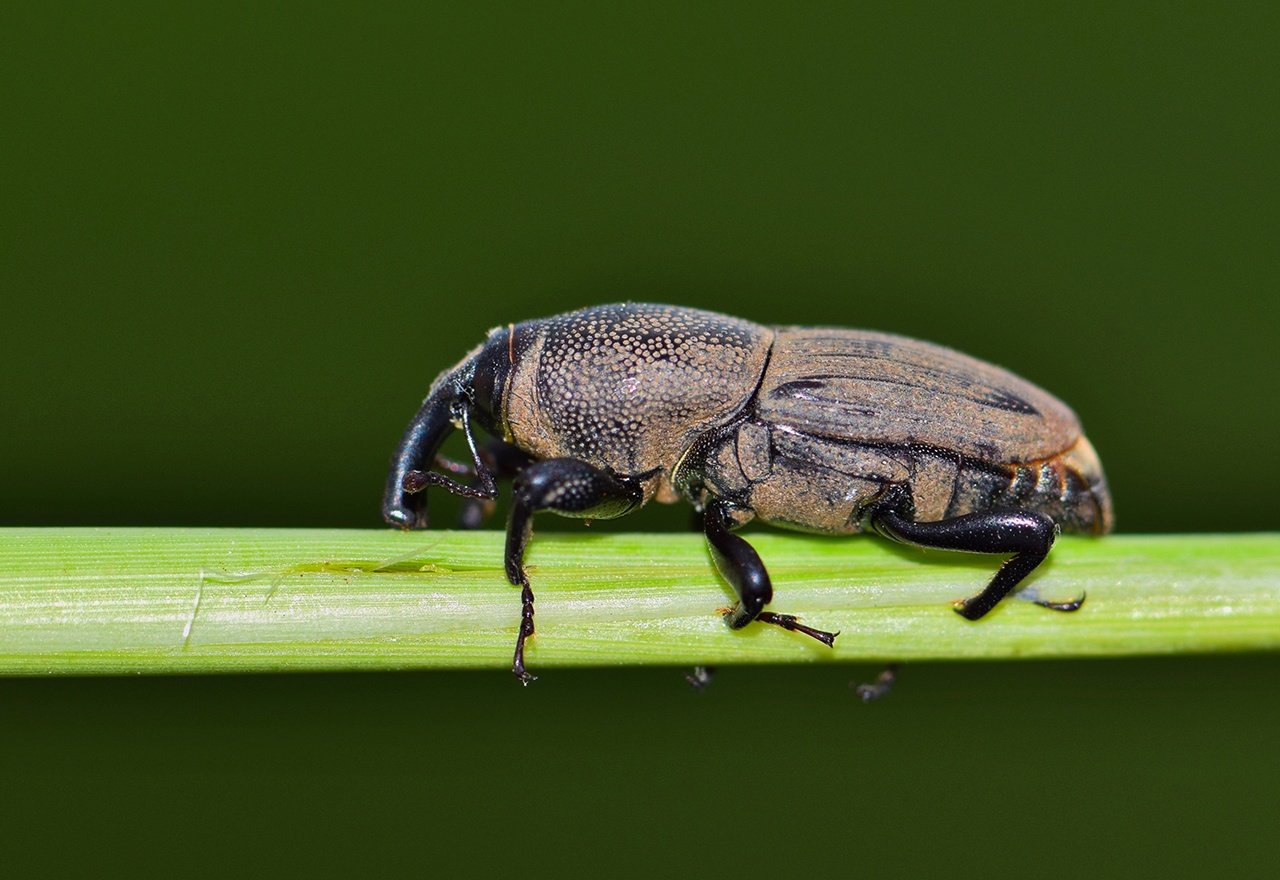
Billbugs tunnel into your lawn, eating the grass and causing it to turn brown.

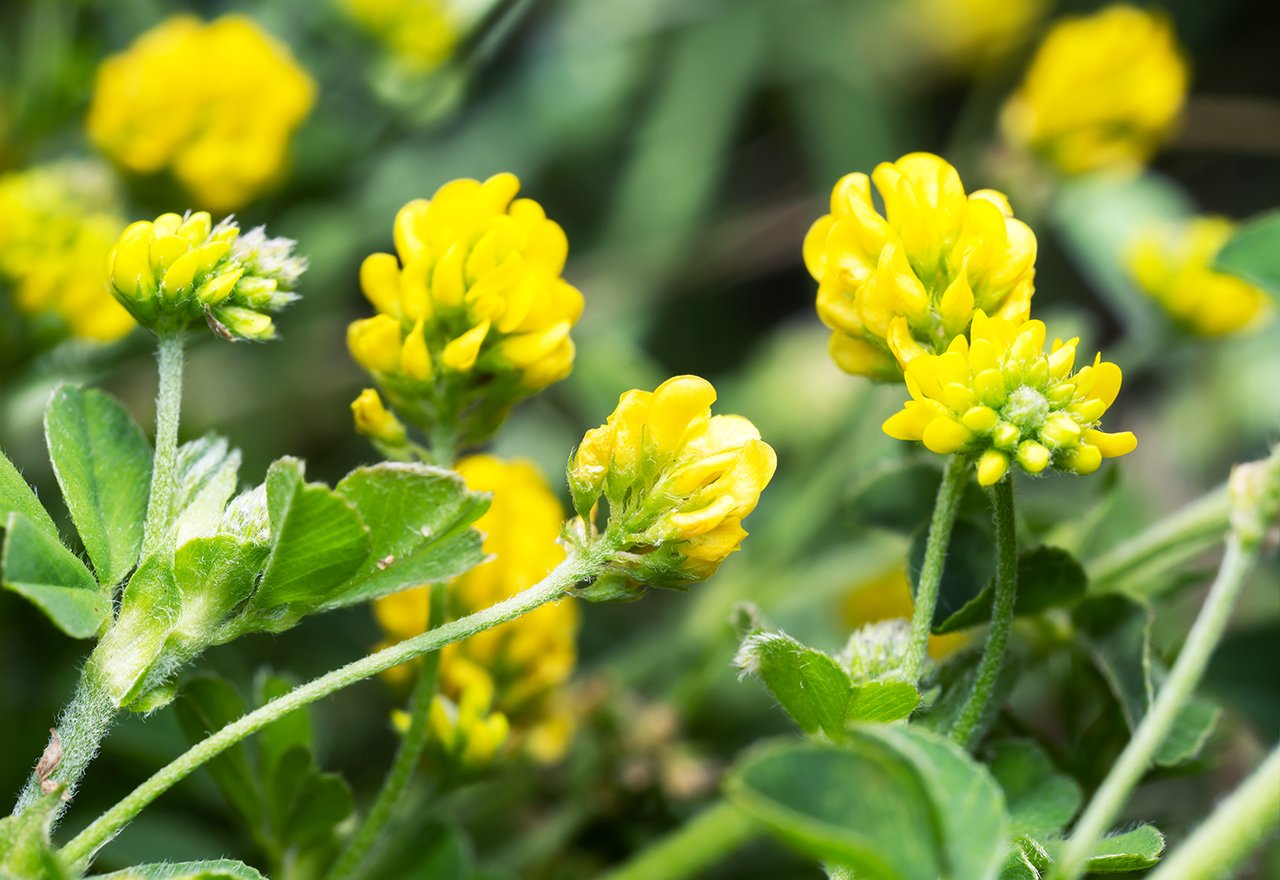
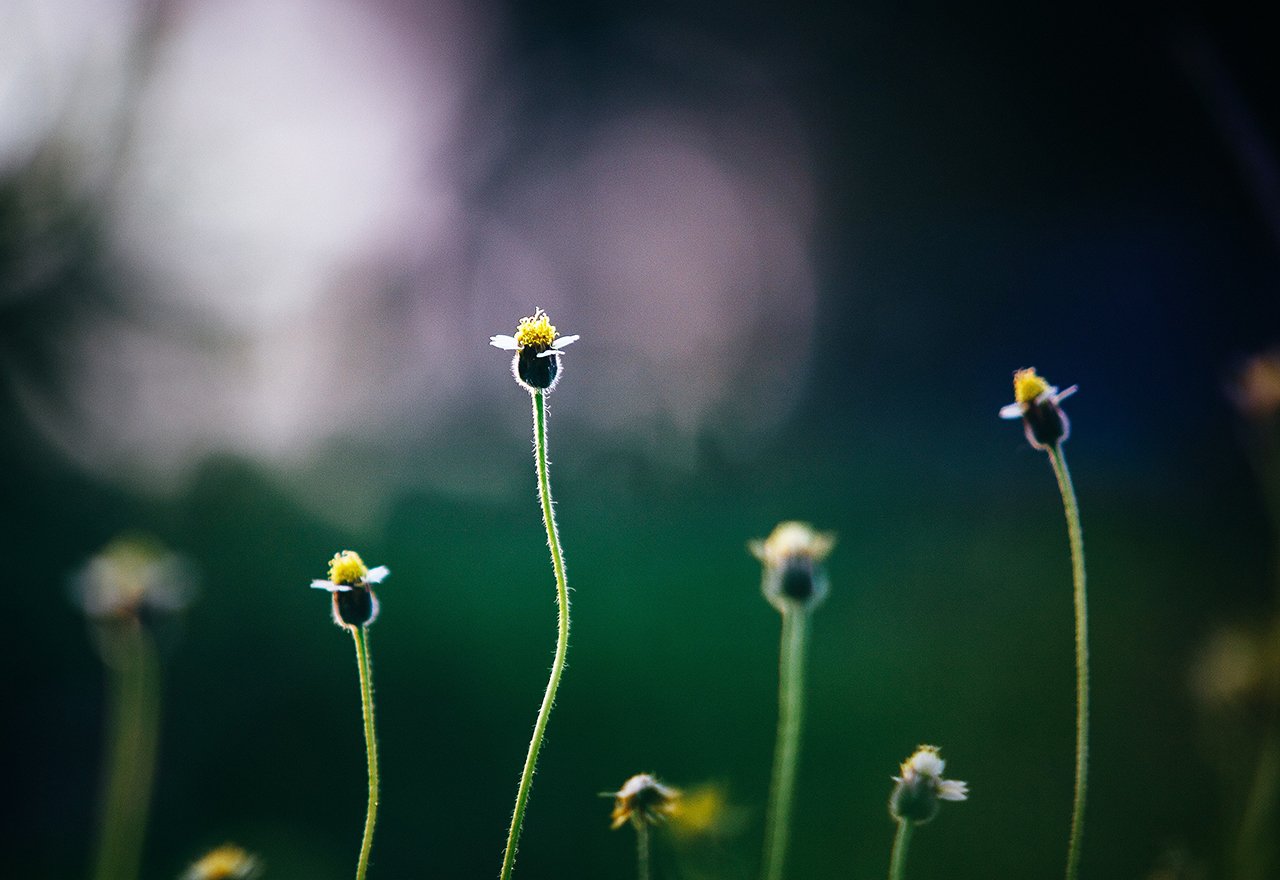
An annual Summer weed with a yellow flower that dies in the cold weather.

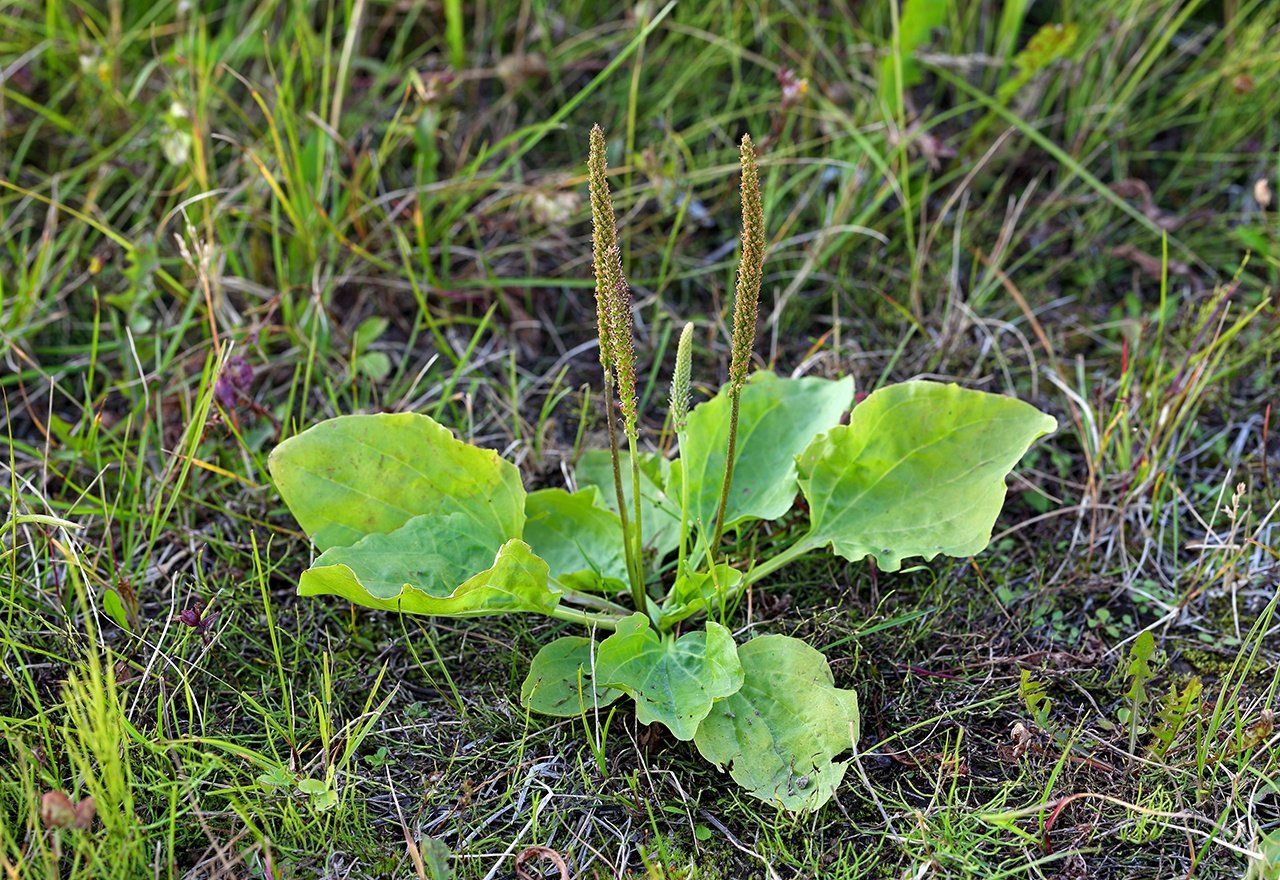
A perennial weed with broad leaves that indicates your soil is compacted.

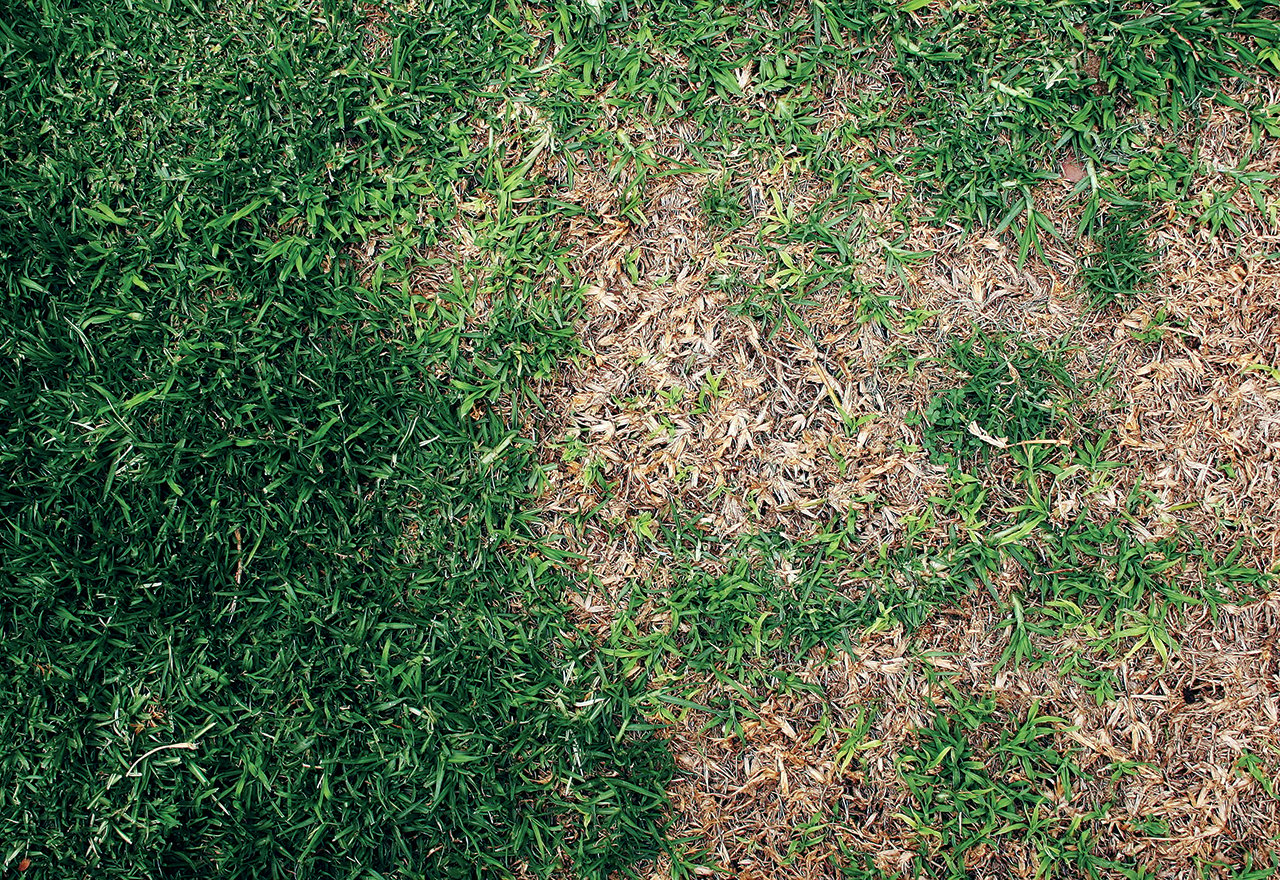
Irregularly shaped brown areas in the lawn caused by a fungal disease.

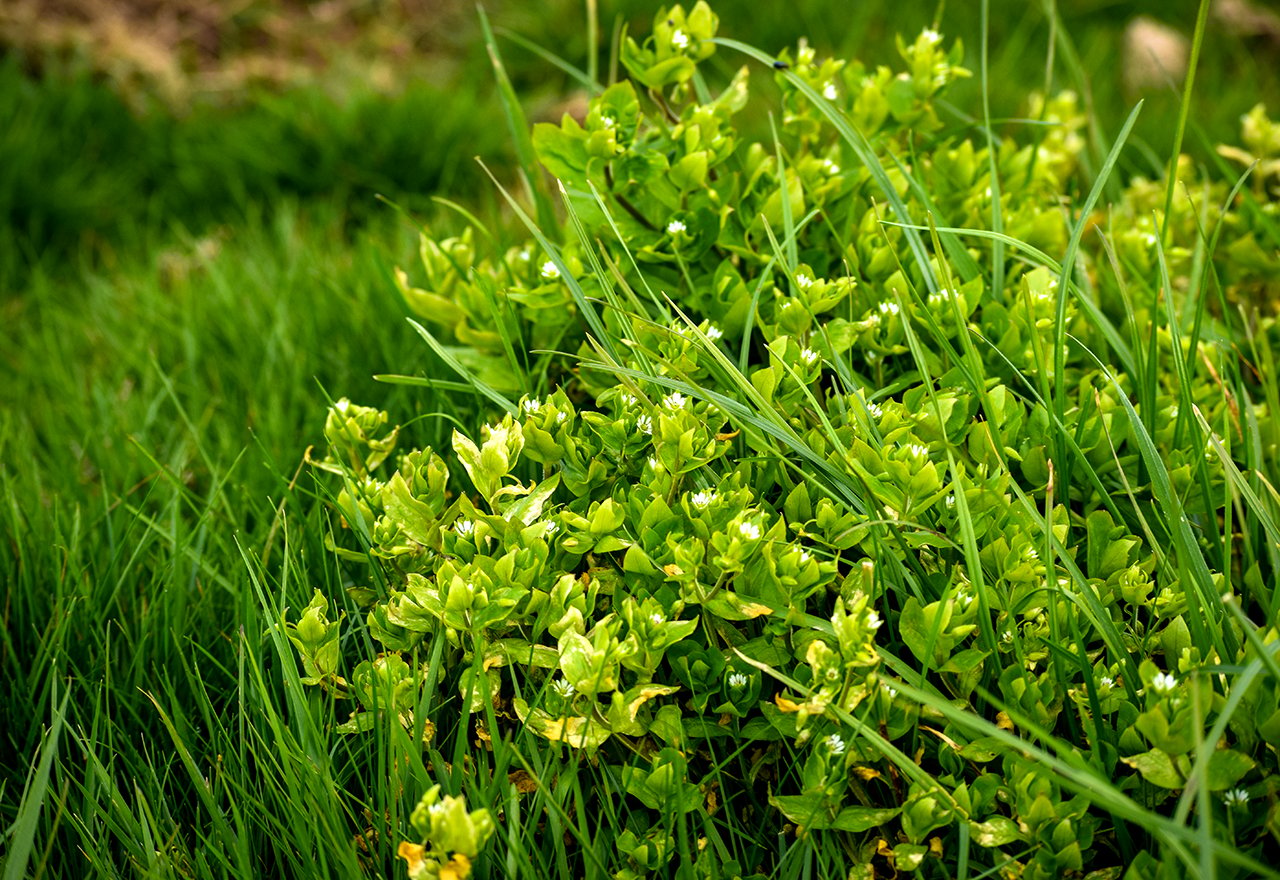
An edible broadleaf weed that grows in dense mats in lawns and gardens.

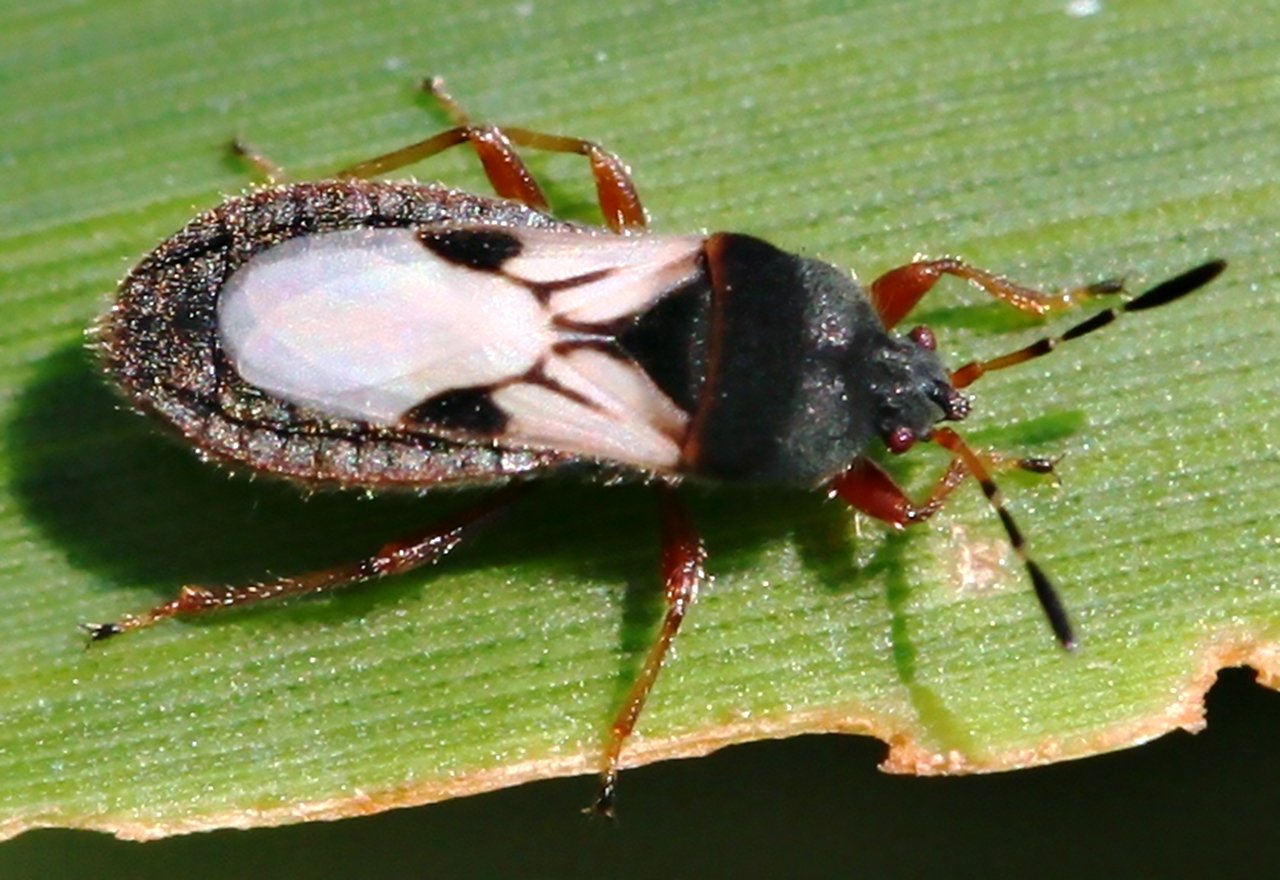
Chinch Bugs inject their saliva into grass in the hot sun, turning it brown.

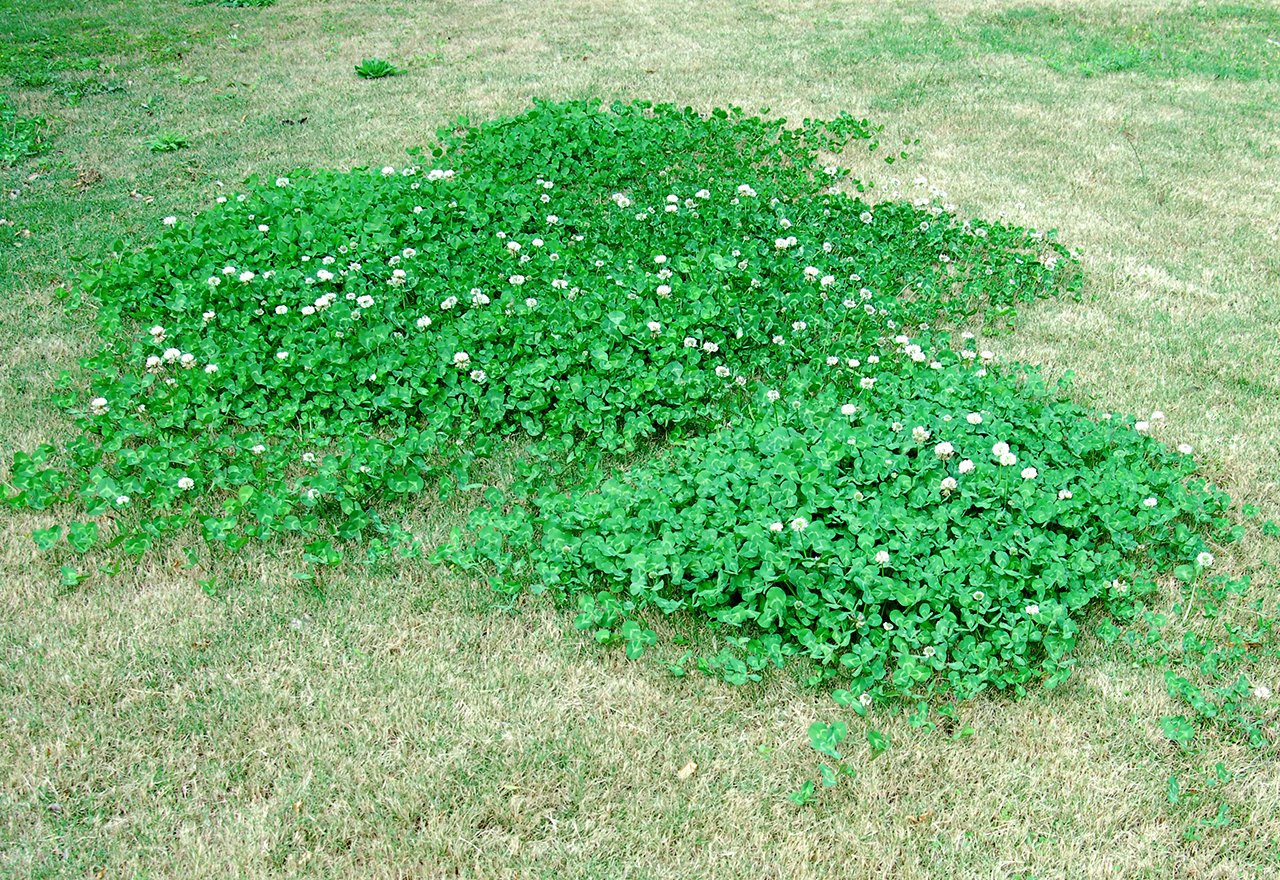
Clover is a legume that helps your lawn fight weeds, diseases and pests.

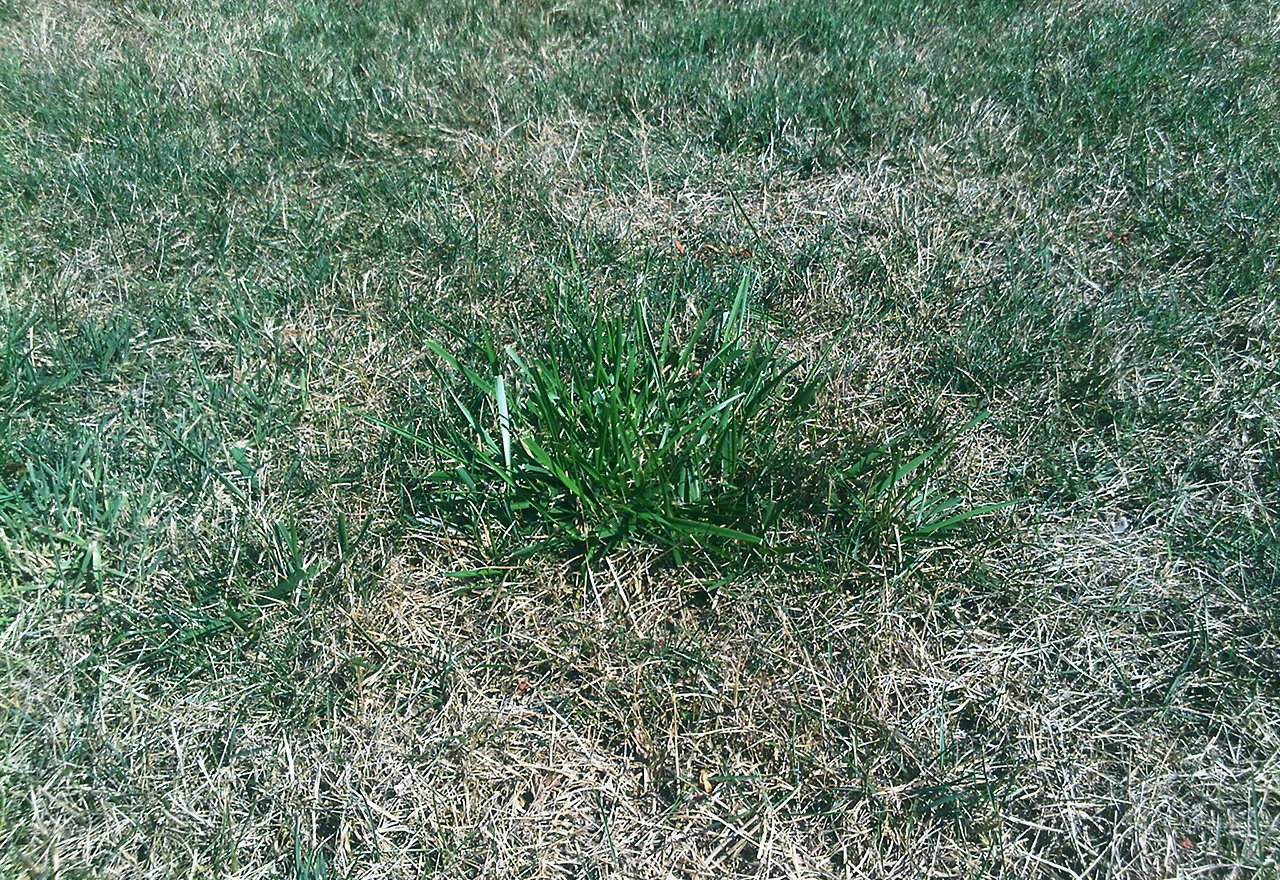
Patches of rough grass that stay green while the lawn turns brown.

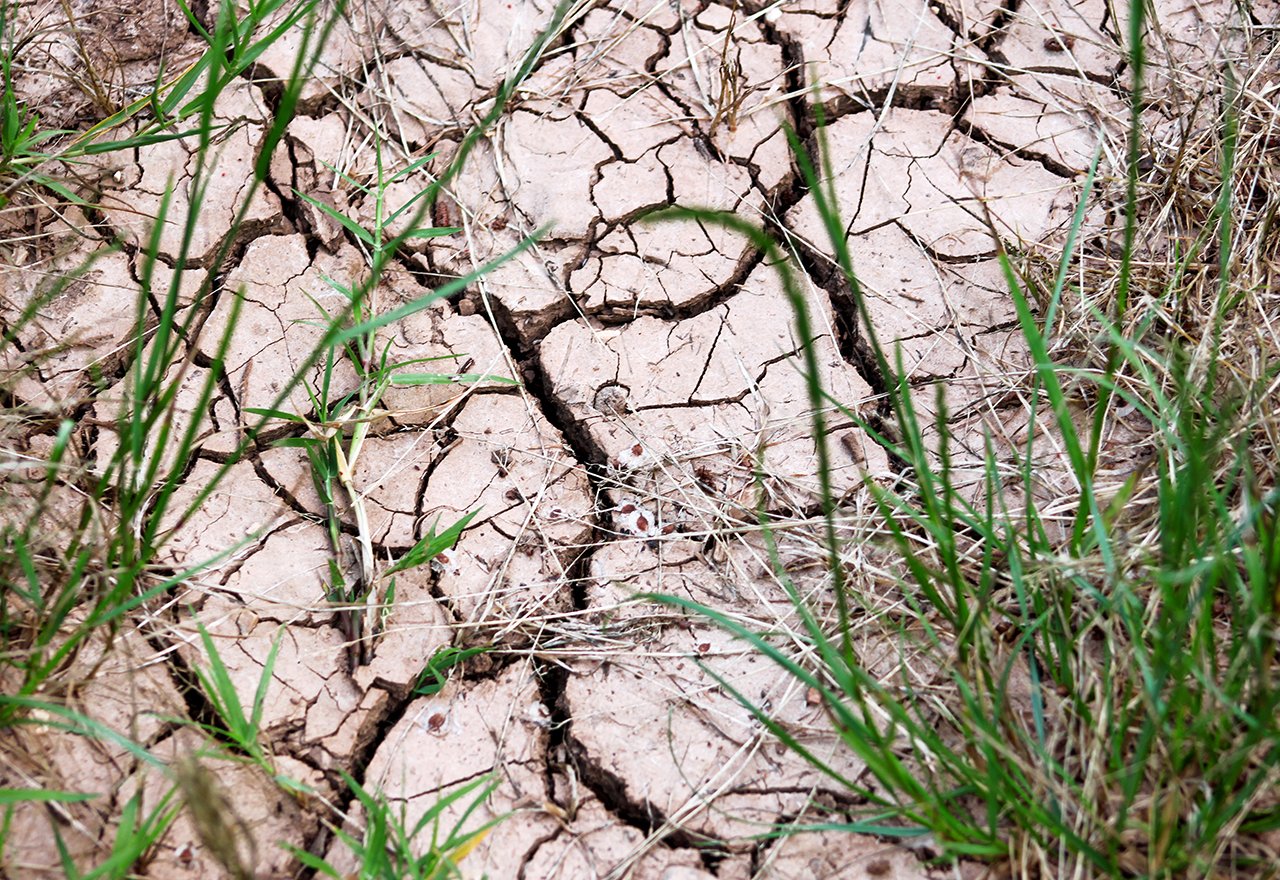
Compacted soil makes it difficult for plant roots to get air, food and water.

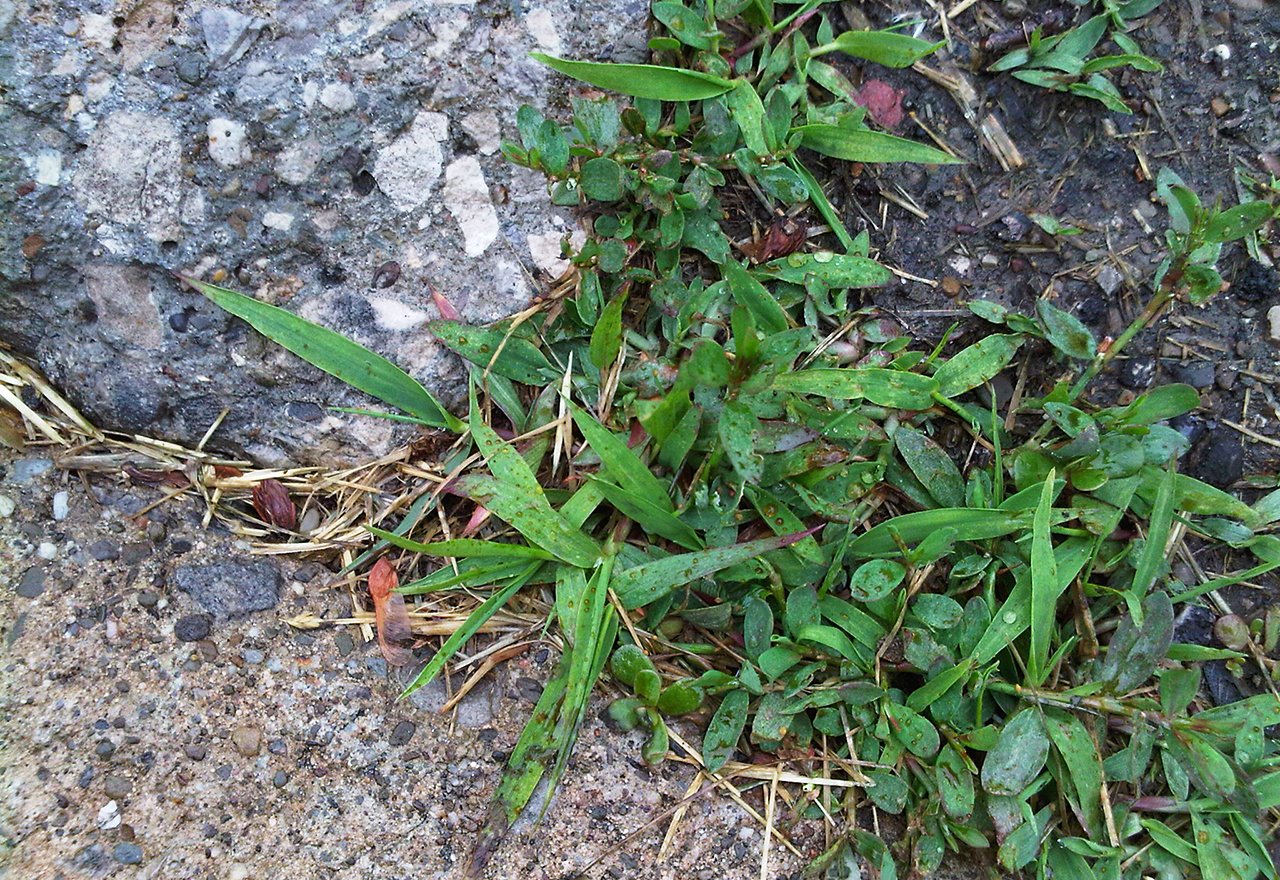
An opportunistic annual grass that grows in bare spots with sunlight.

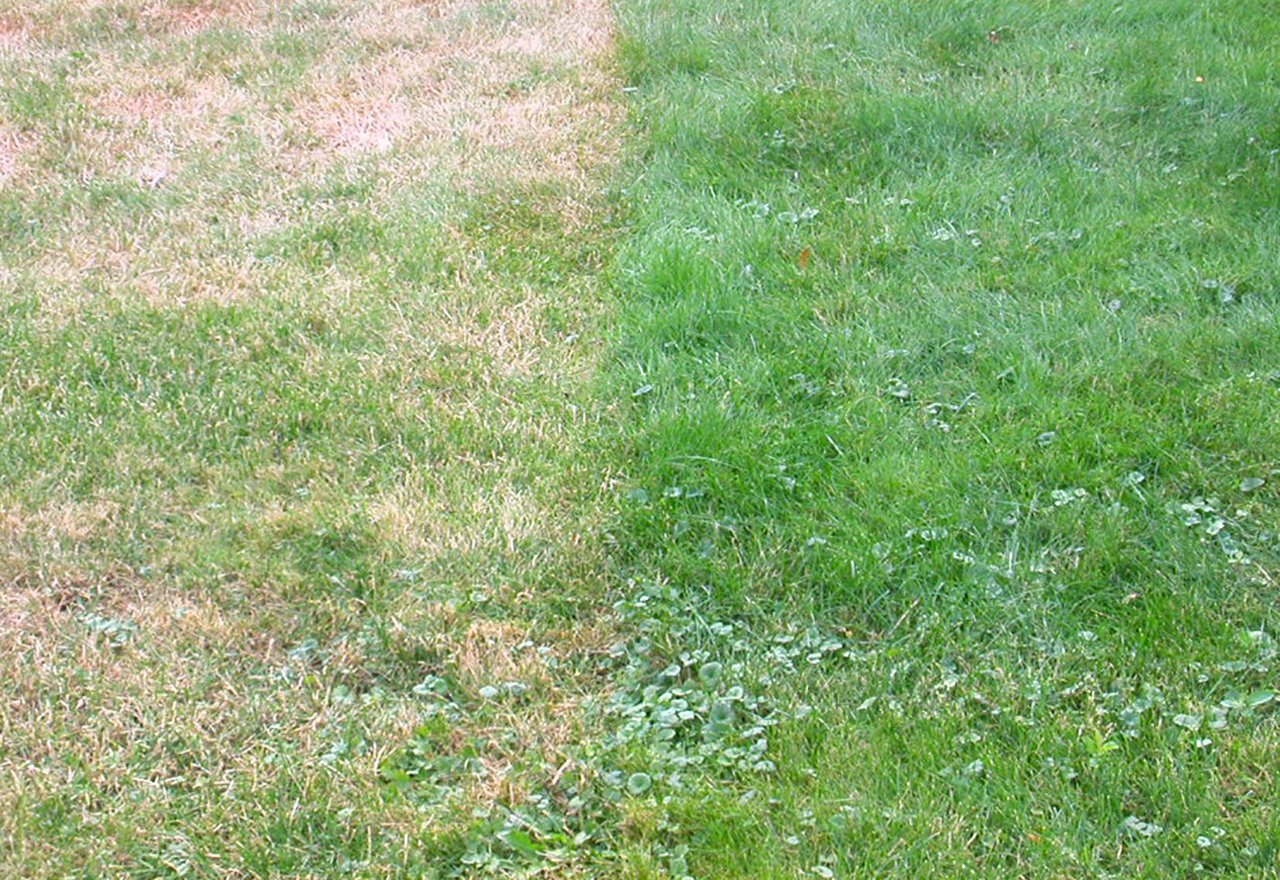
Mowing your lawn higher will result in greener grass with fewer weeds.

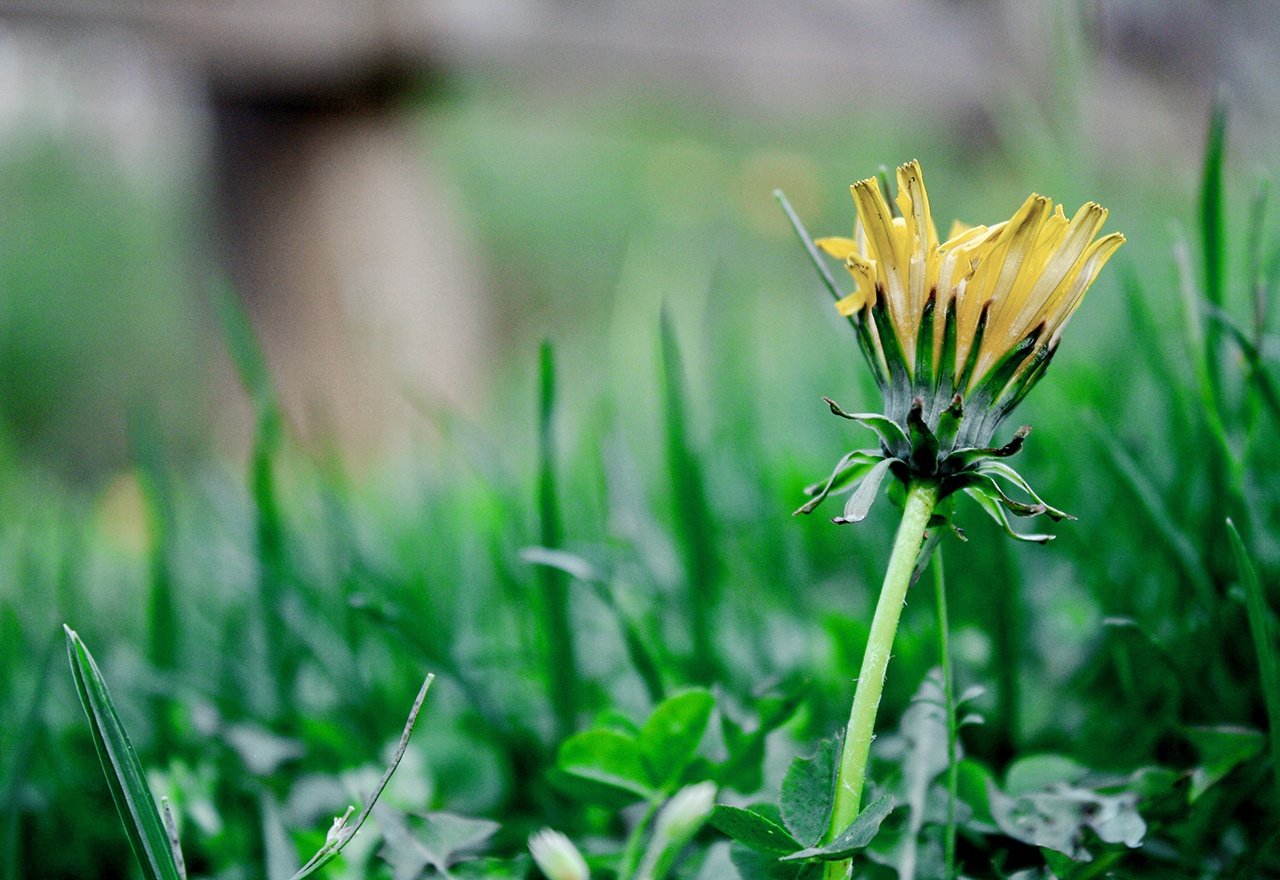
A perennial weed that spreads its seeds and perpetuates itself.

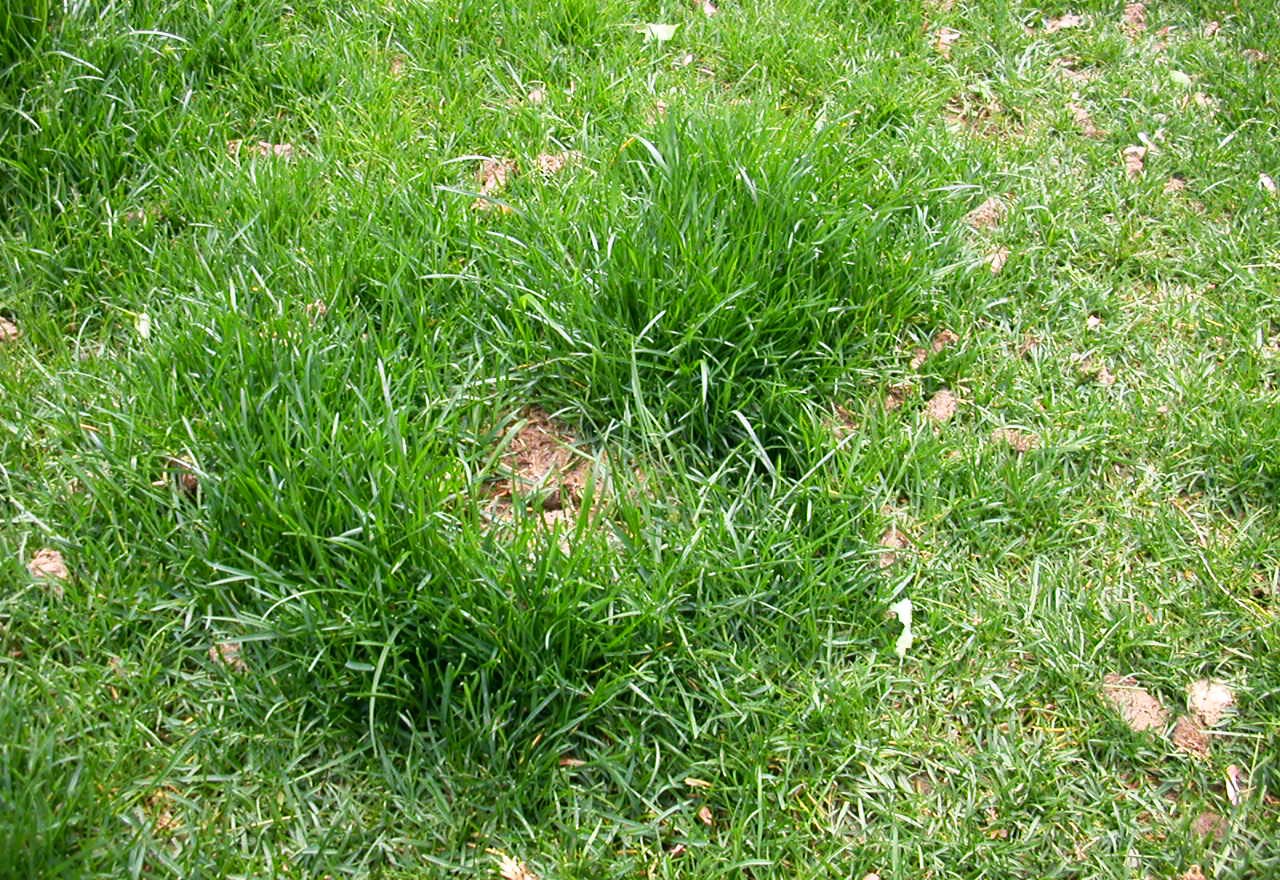
The Nitrogen Salt in dog urine can fertilize grass, or kill it in high doses.

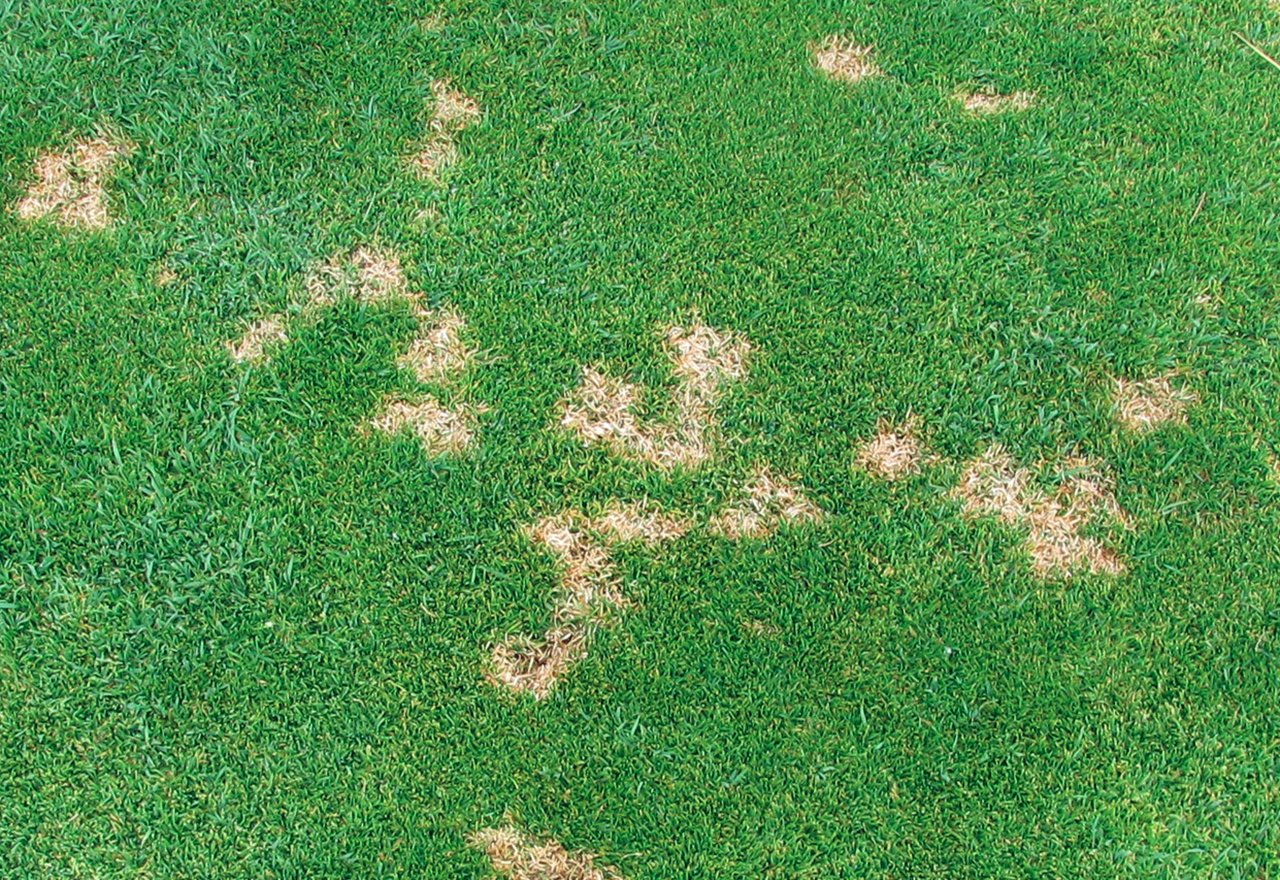
Caused by a fungal organism, grass develops dead, straw-colored spots.

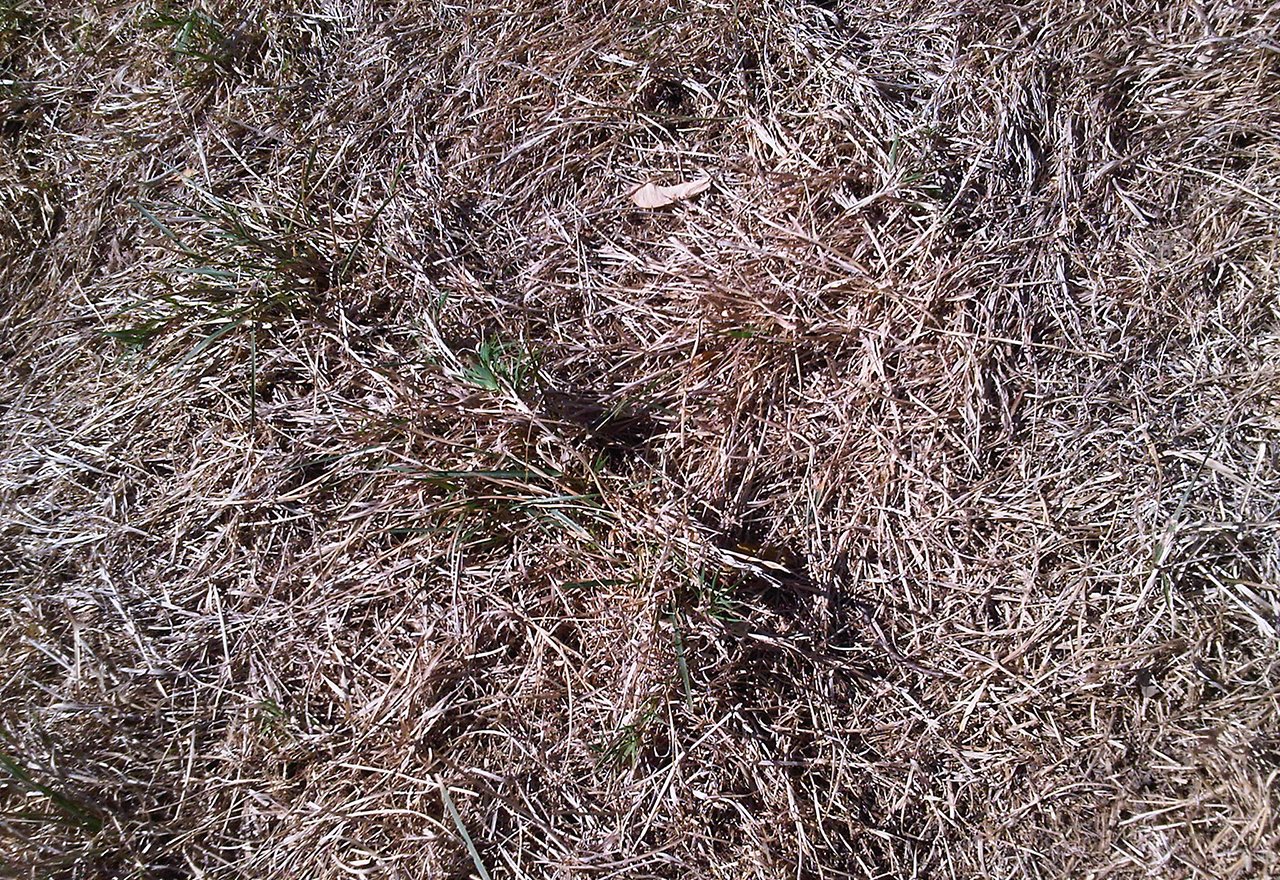
Any grass type can go dormant when the weather gets hot.

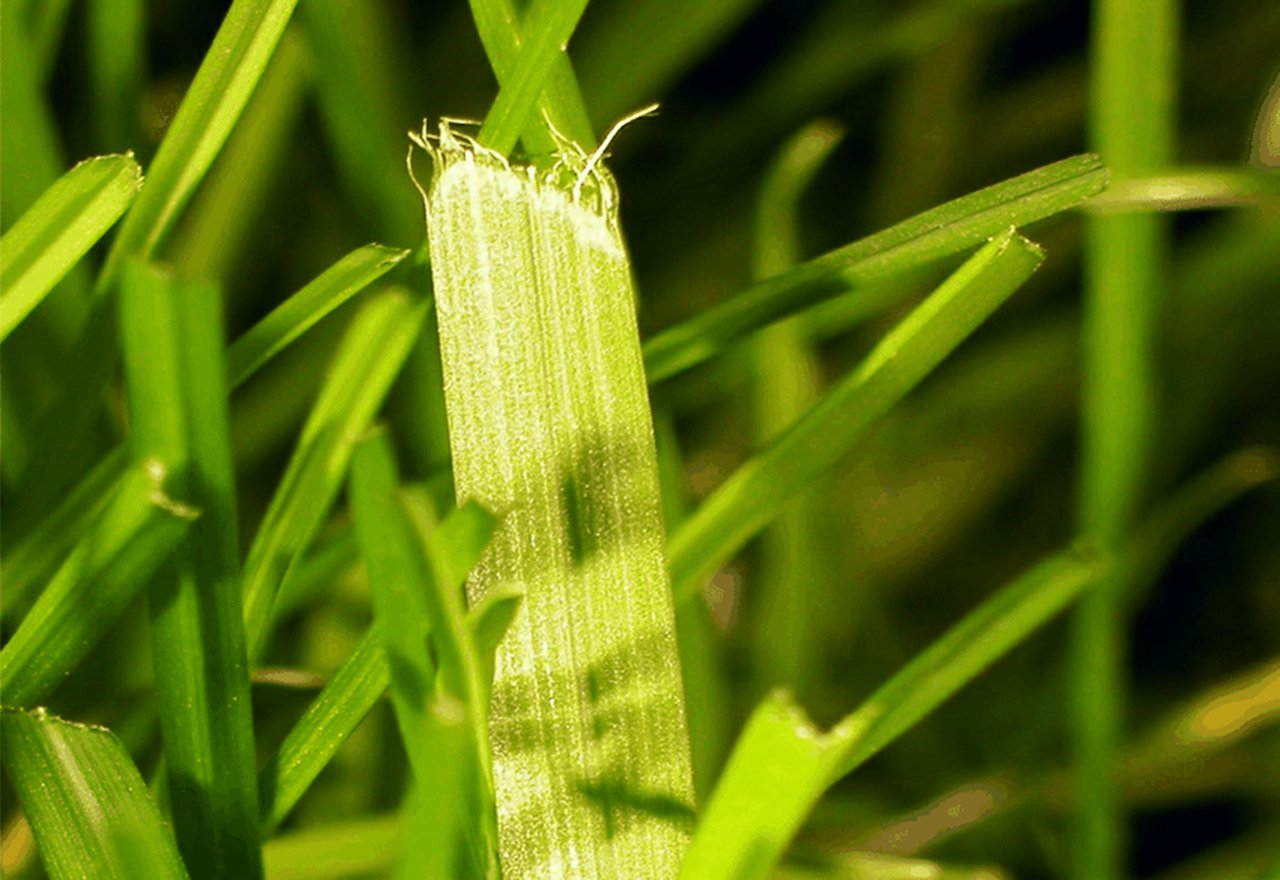
Dull mower blades tear the grass instead of cut it, leaving it jagged.

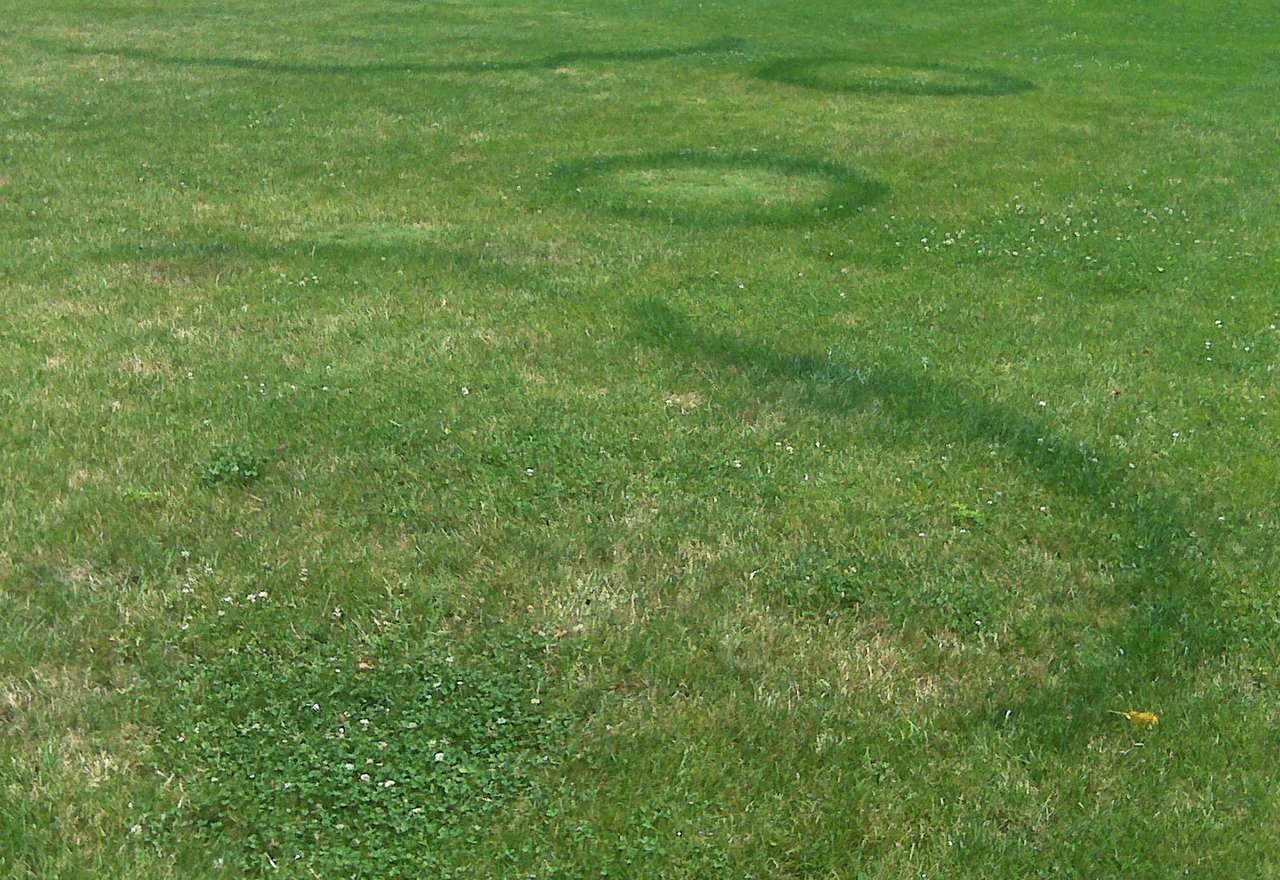
A dark green circle in your lawn that may have mushrooms growing in it.

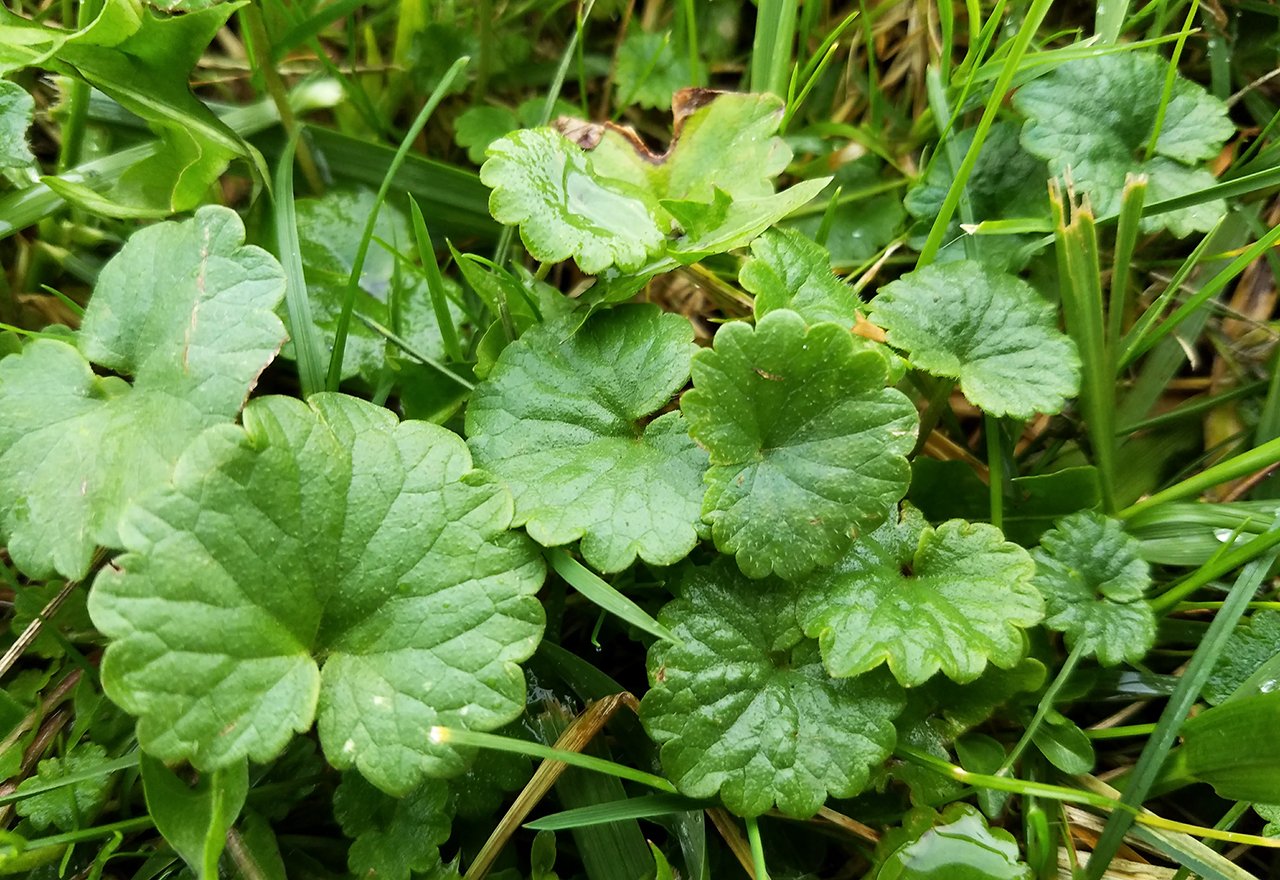
A member of the mint family, Ground Ivy is a fast growing perennial weed.

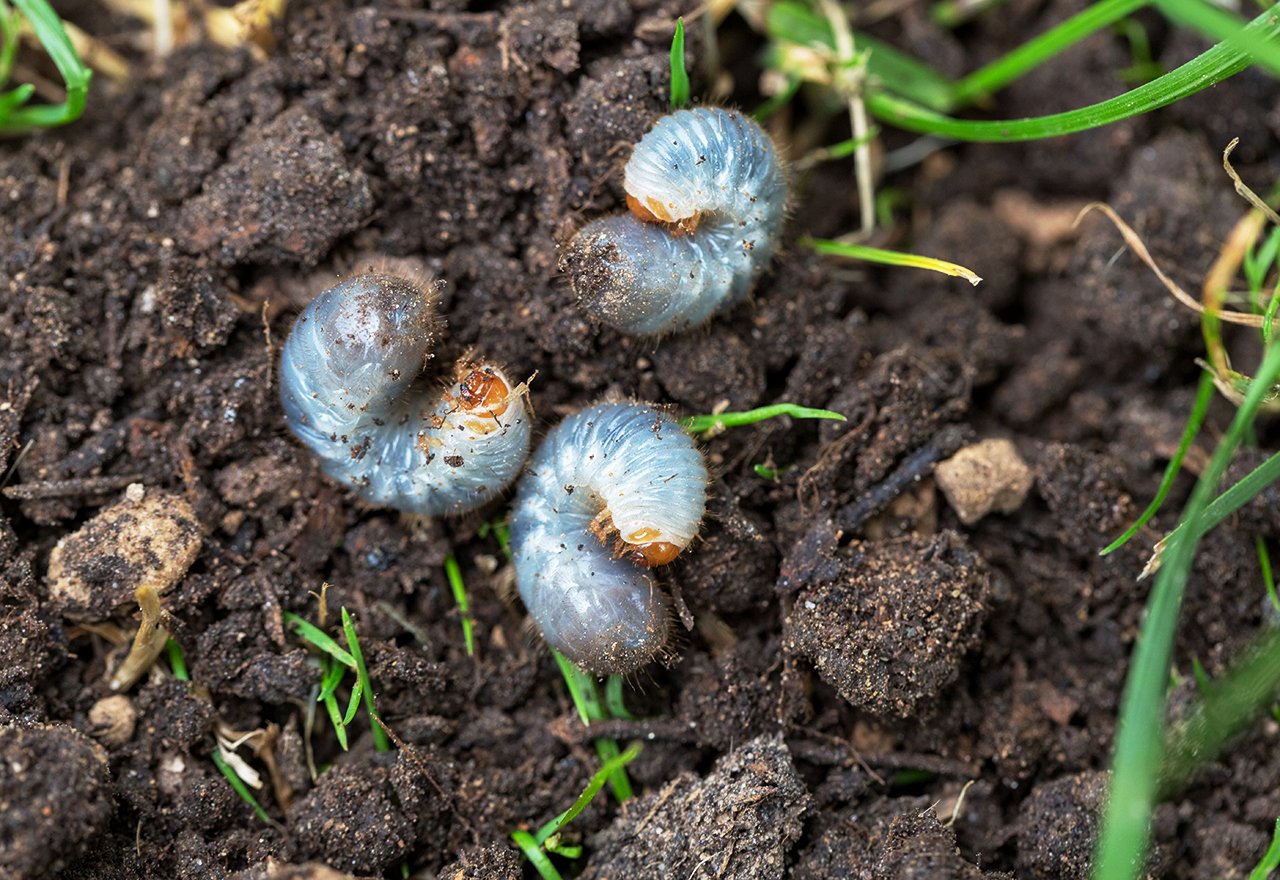
Grubs, beetle larvae, voraciously chew off the lawns roots and kill it.

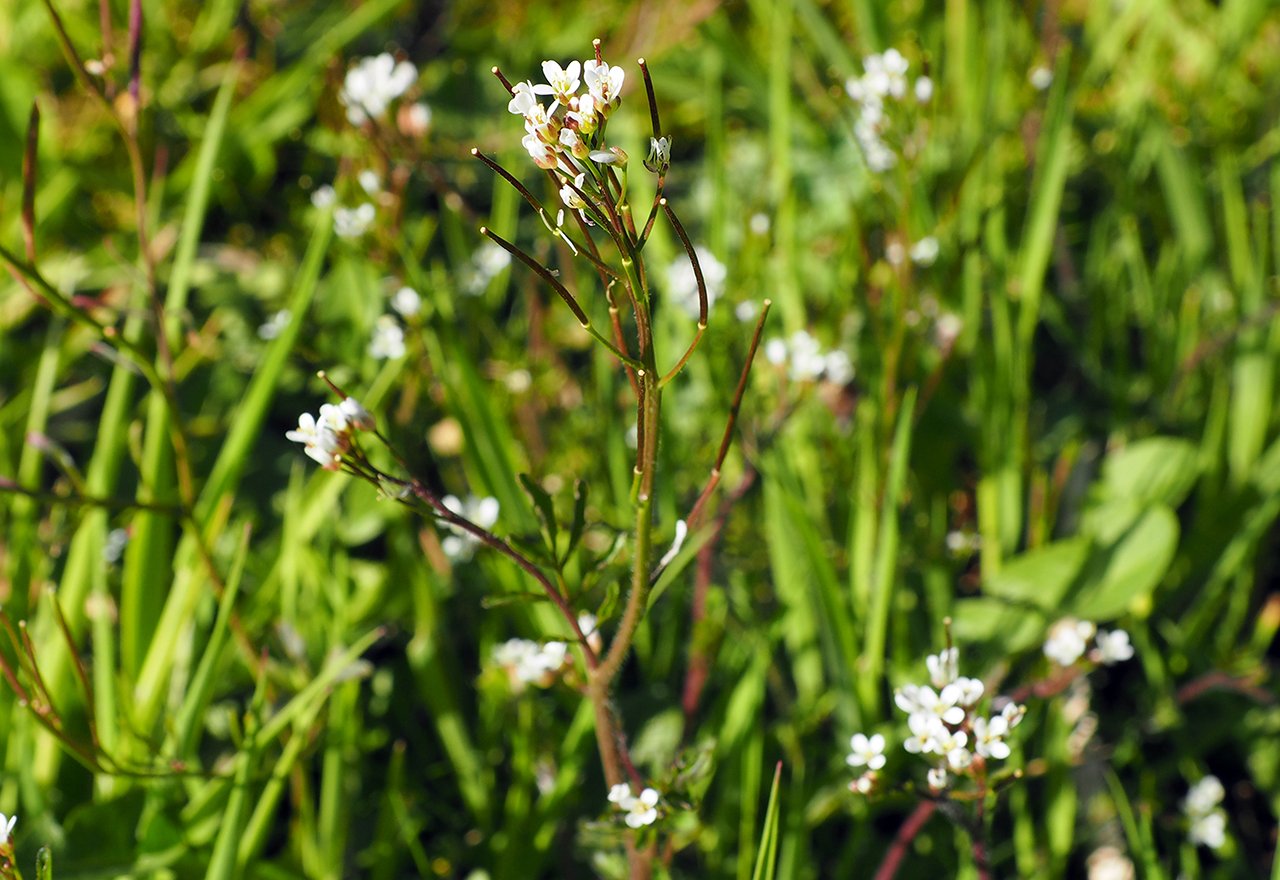
A fast growing Winter annual weed with white flowers, visible in Spring.

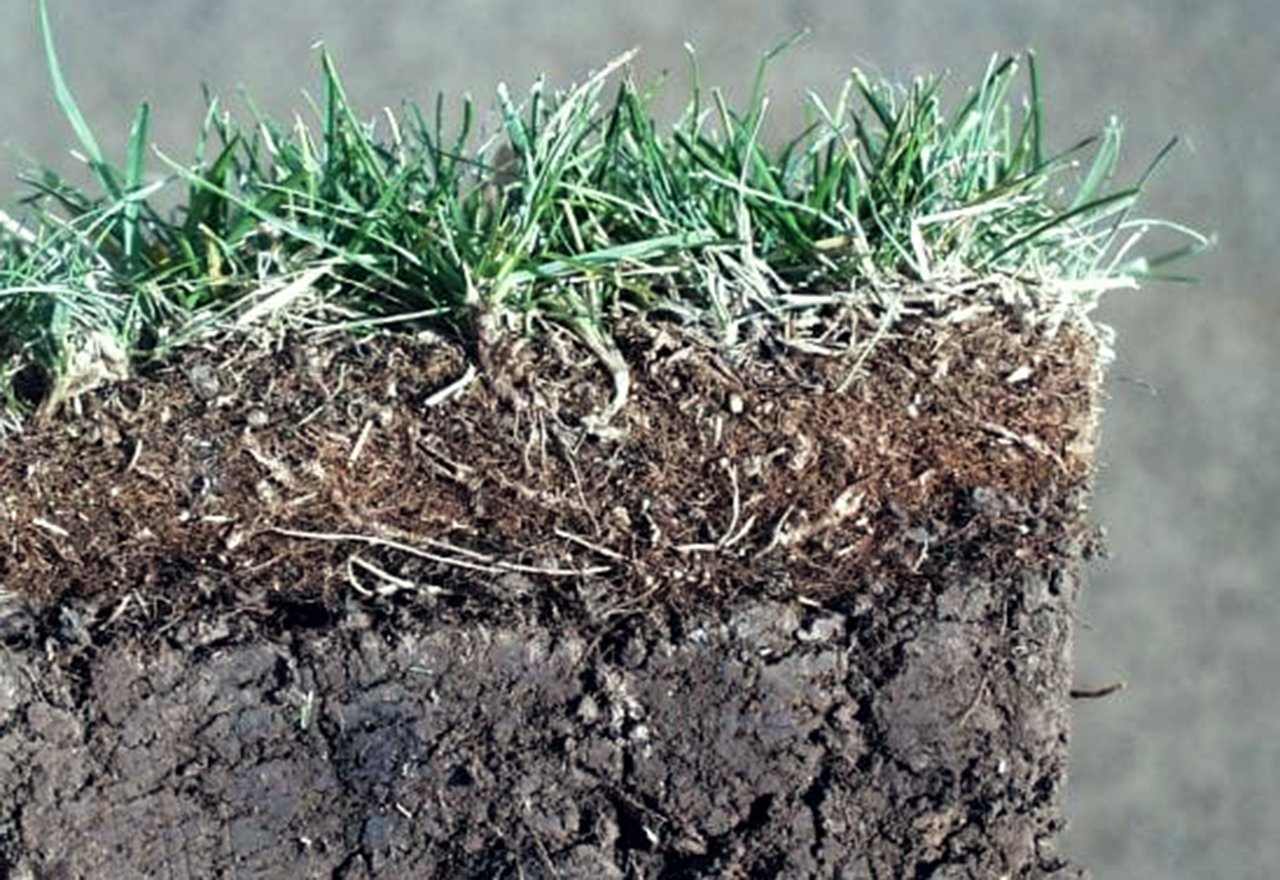
A layer of shoots, stems and roots that accumulate above the soil surface.

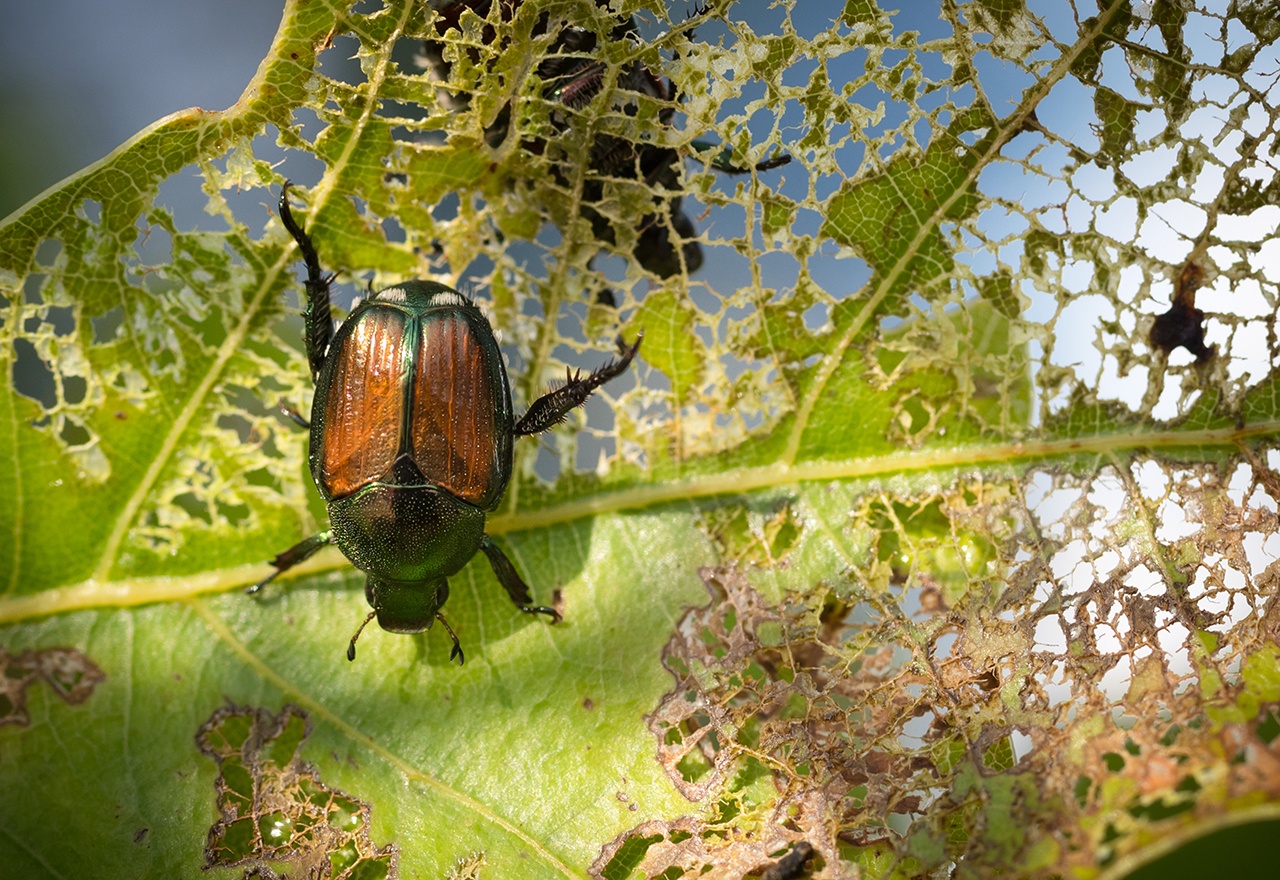
One of the most devastating pests to urban landscaping plants.


You can mulch your leaves with your mower for free lawn compost.

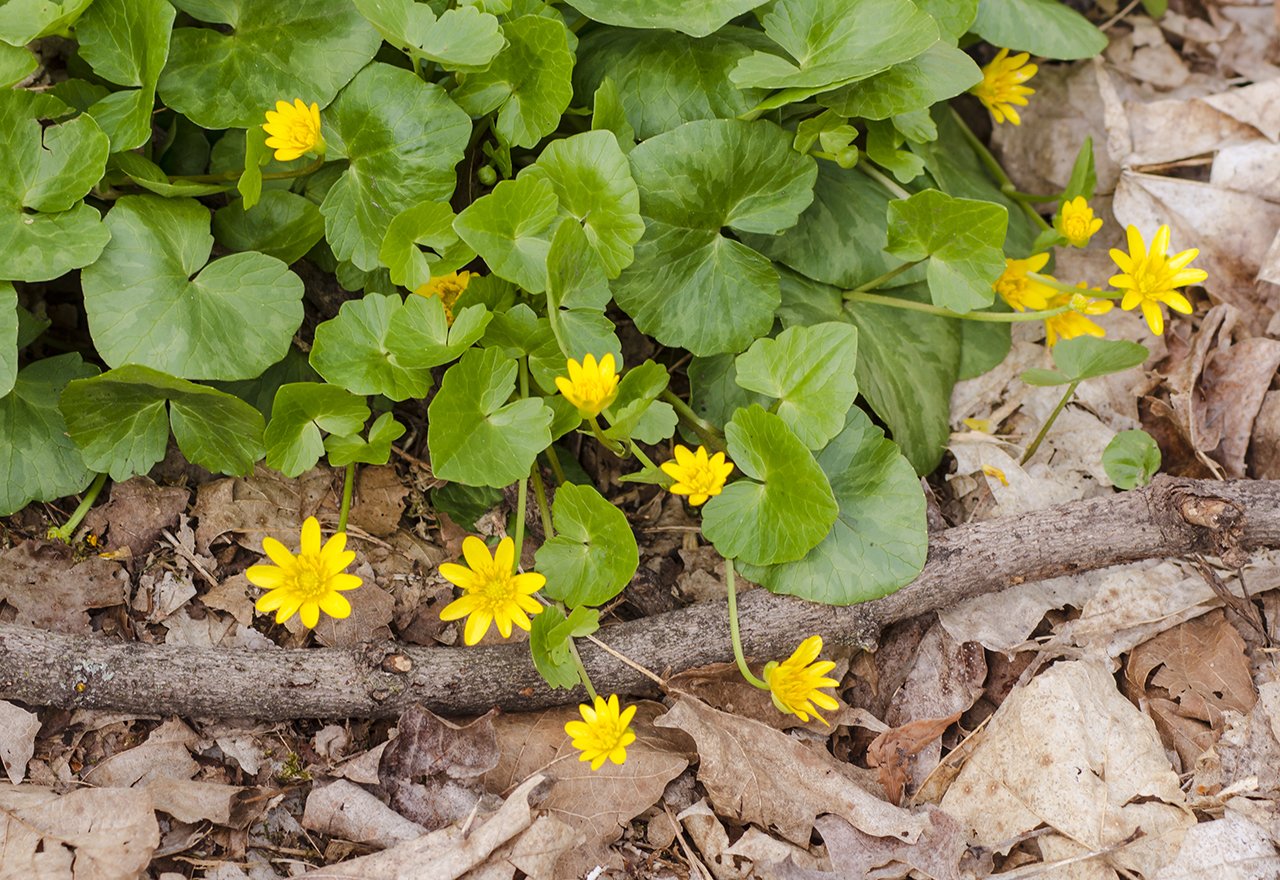
An invasive Spring perennial weed that chokes out surrounding plants.

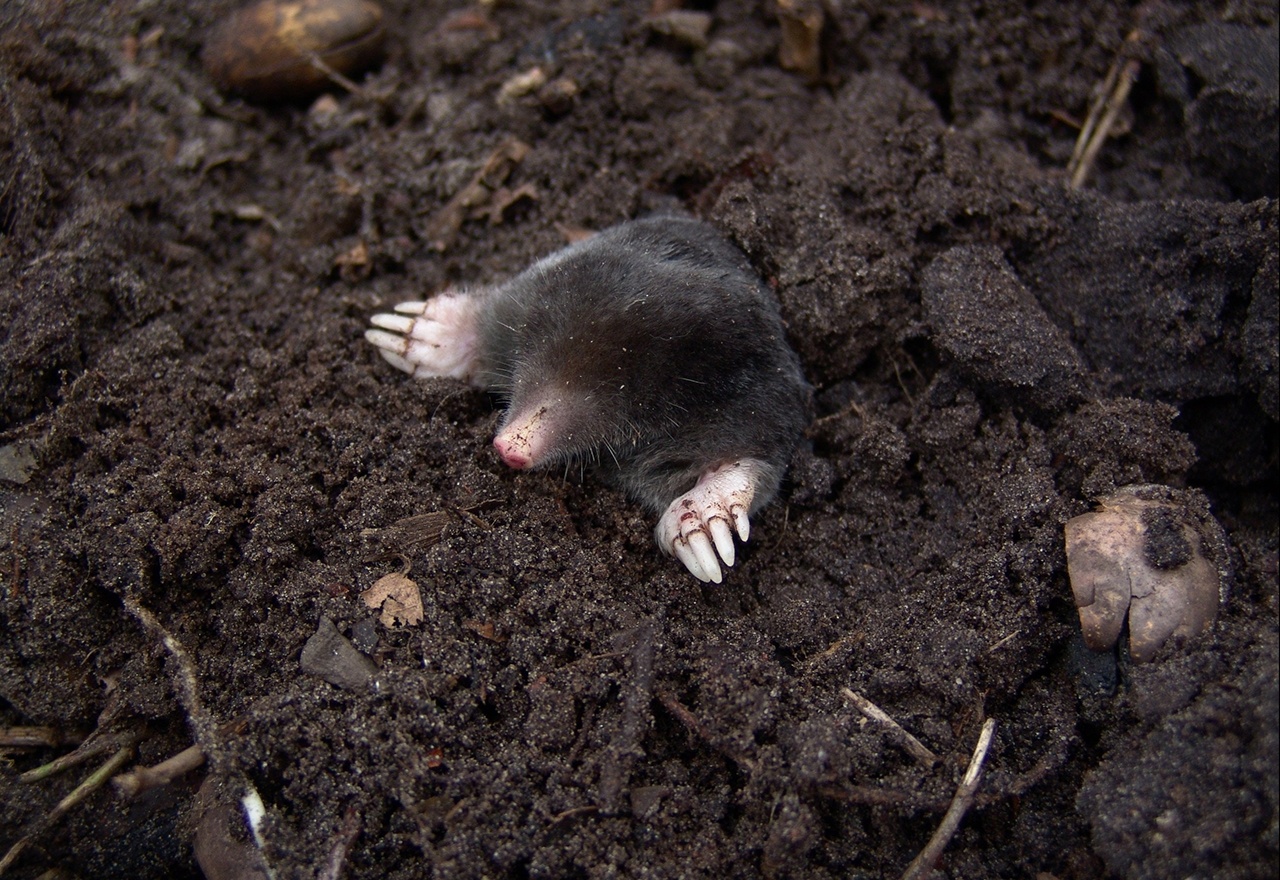
Moles love soft, wet ground and feed on grubs and earthworms in the soil.

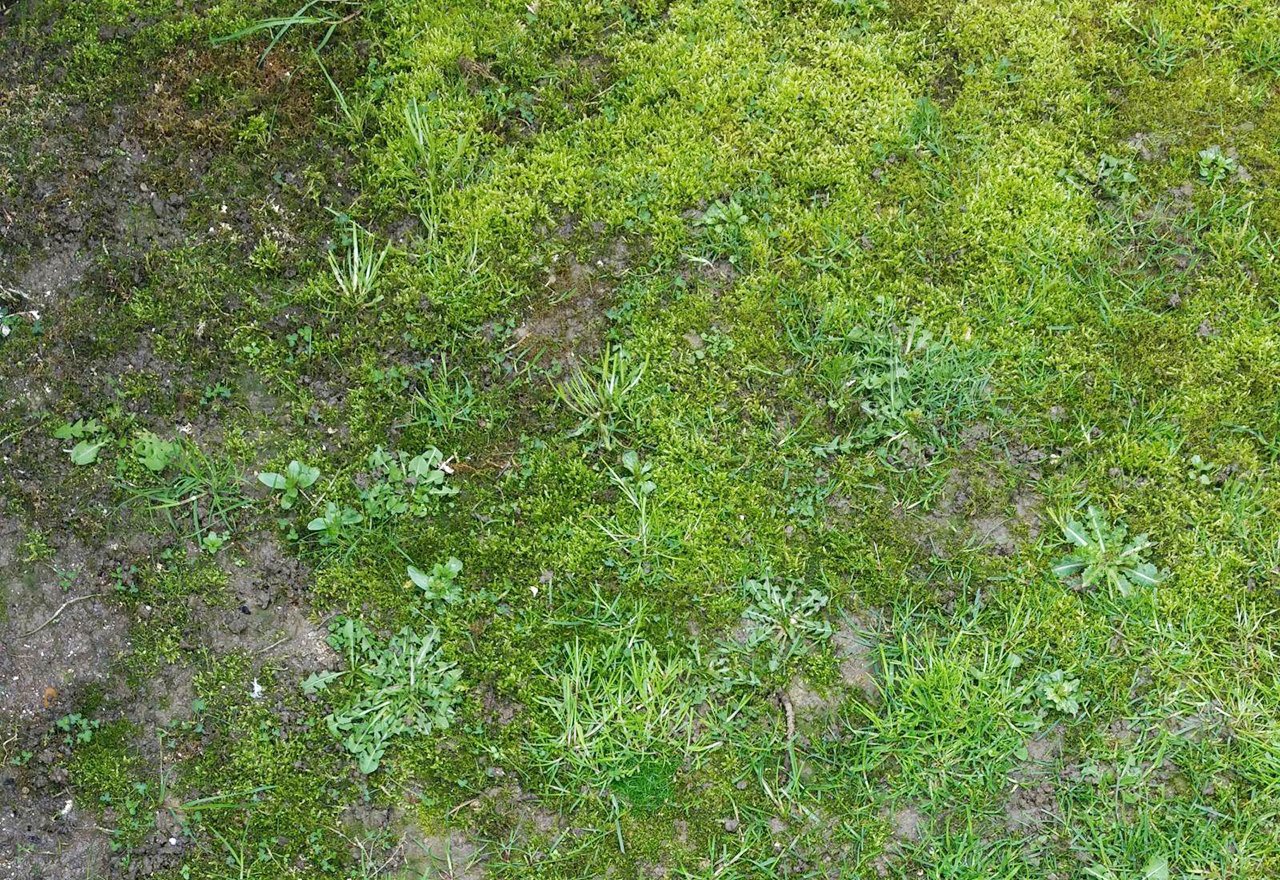
Moss prospers in damp, shady areas, where grass struggles to grow.

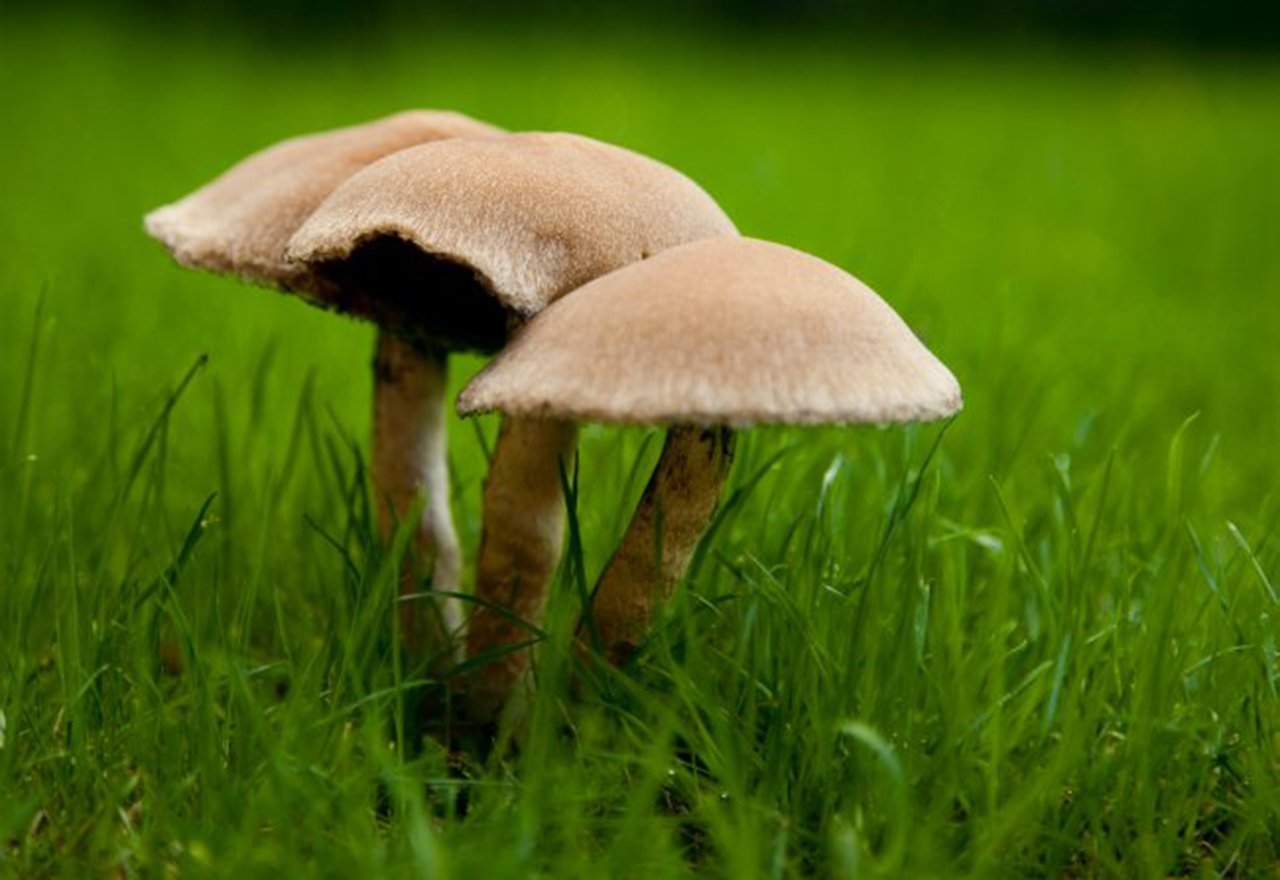
Mushrooms are typically the result of decomposing wood in the soil.

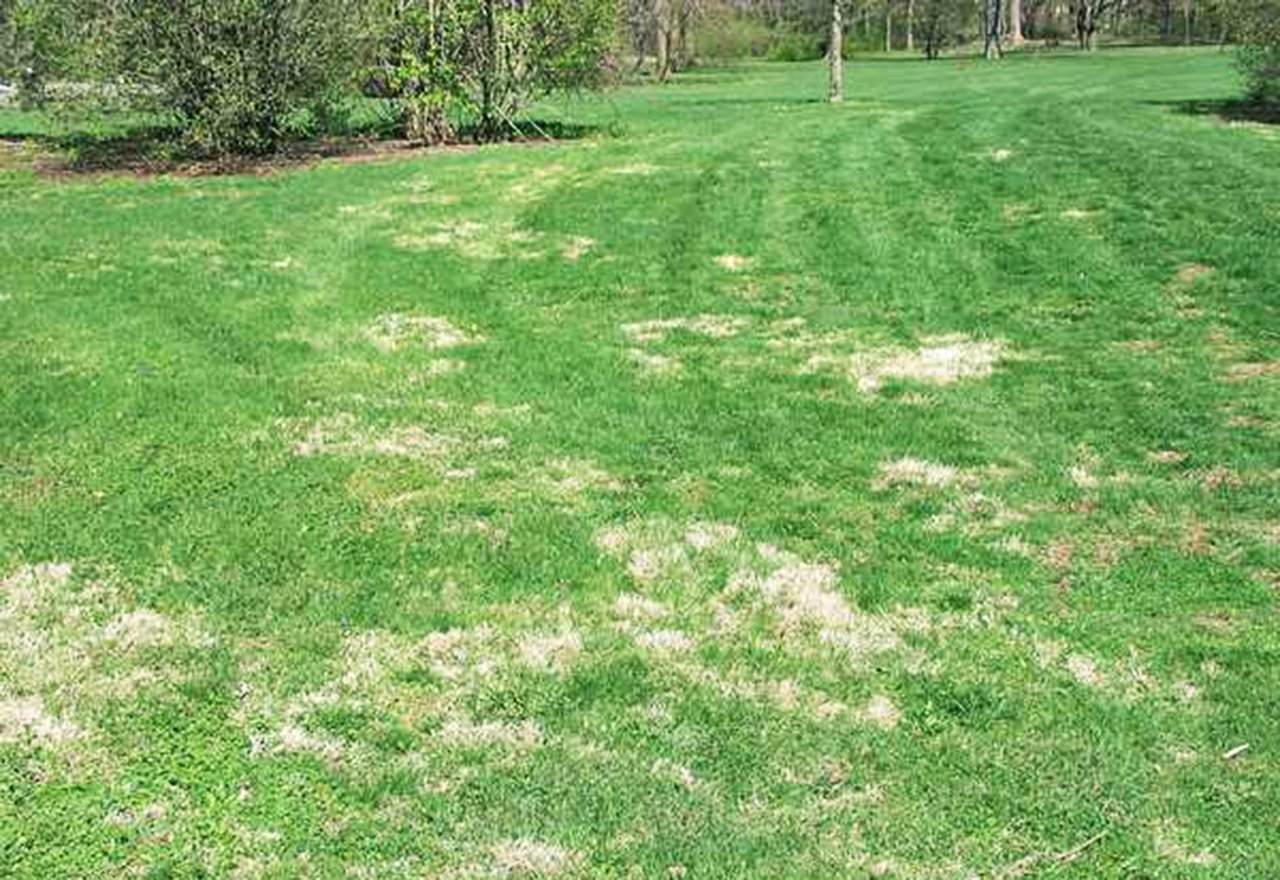
A warm season grass that is green in hot weather and brown in cold.

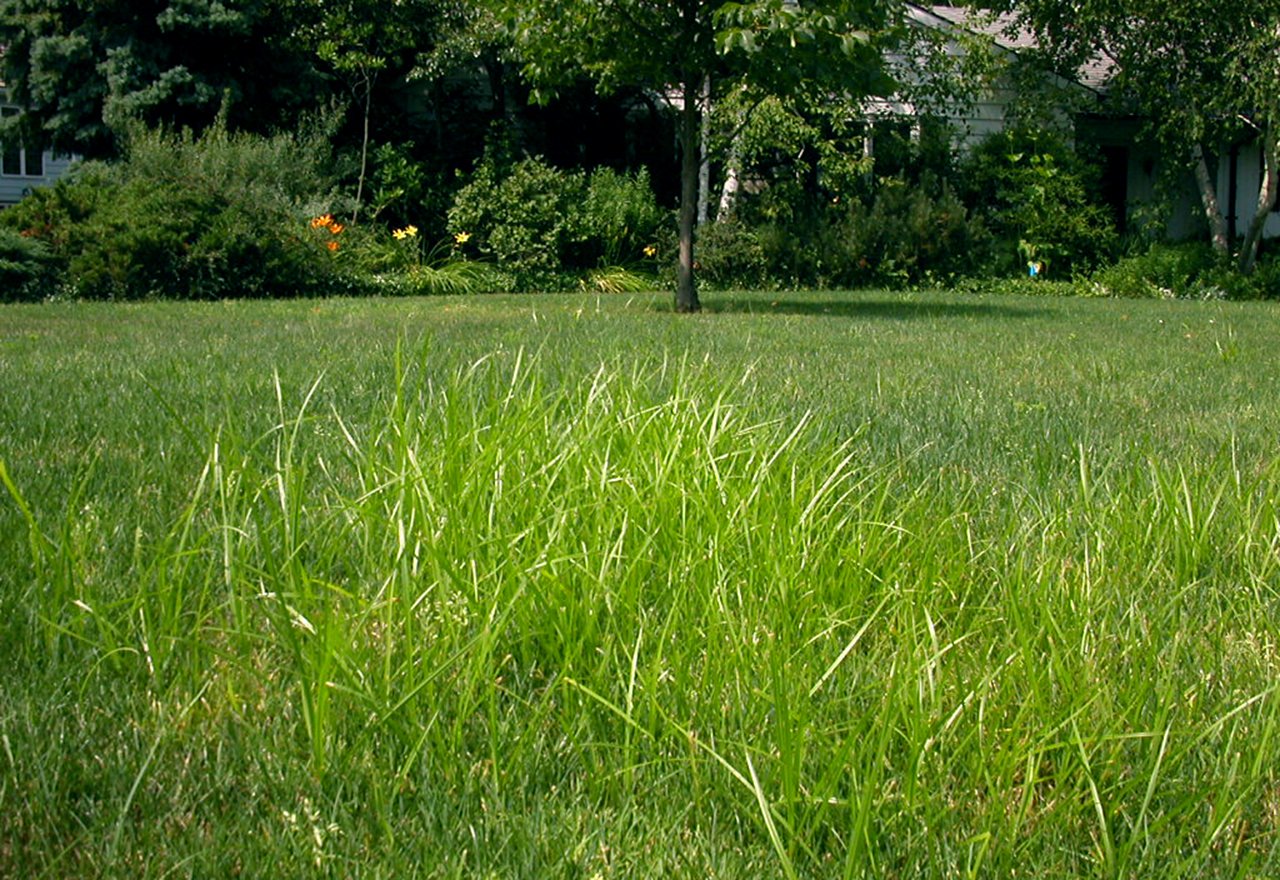
Nutsedge is a sedge, not a grass and thrives in warm, wet conditions.

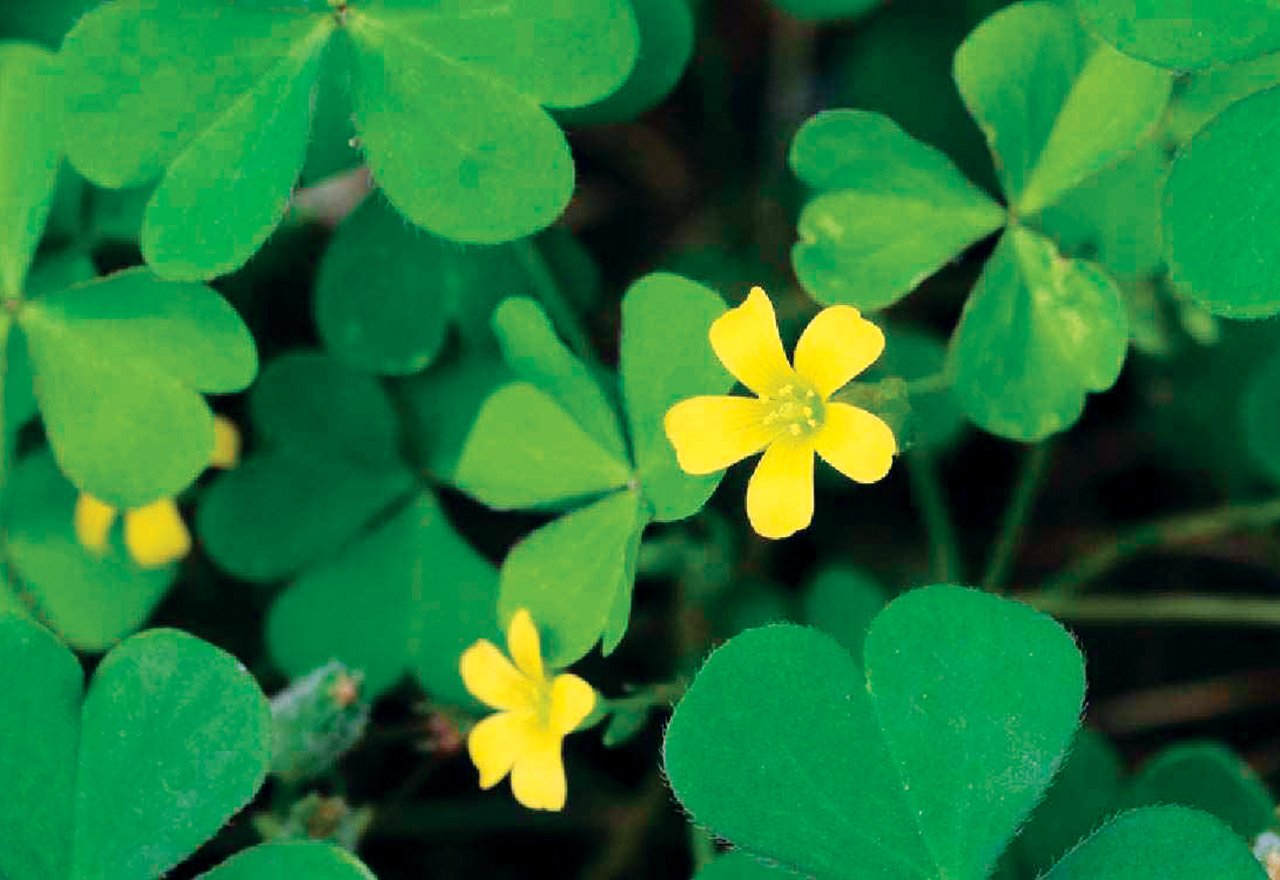
Oxalis is a Summer annual weed and looks like clover with a yellow flower.

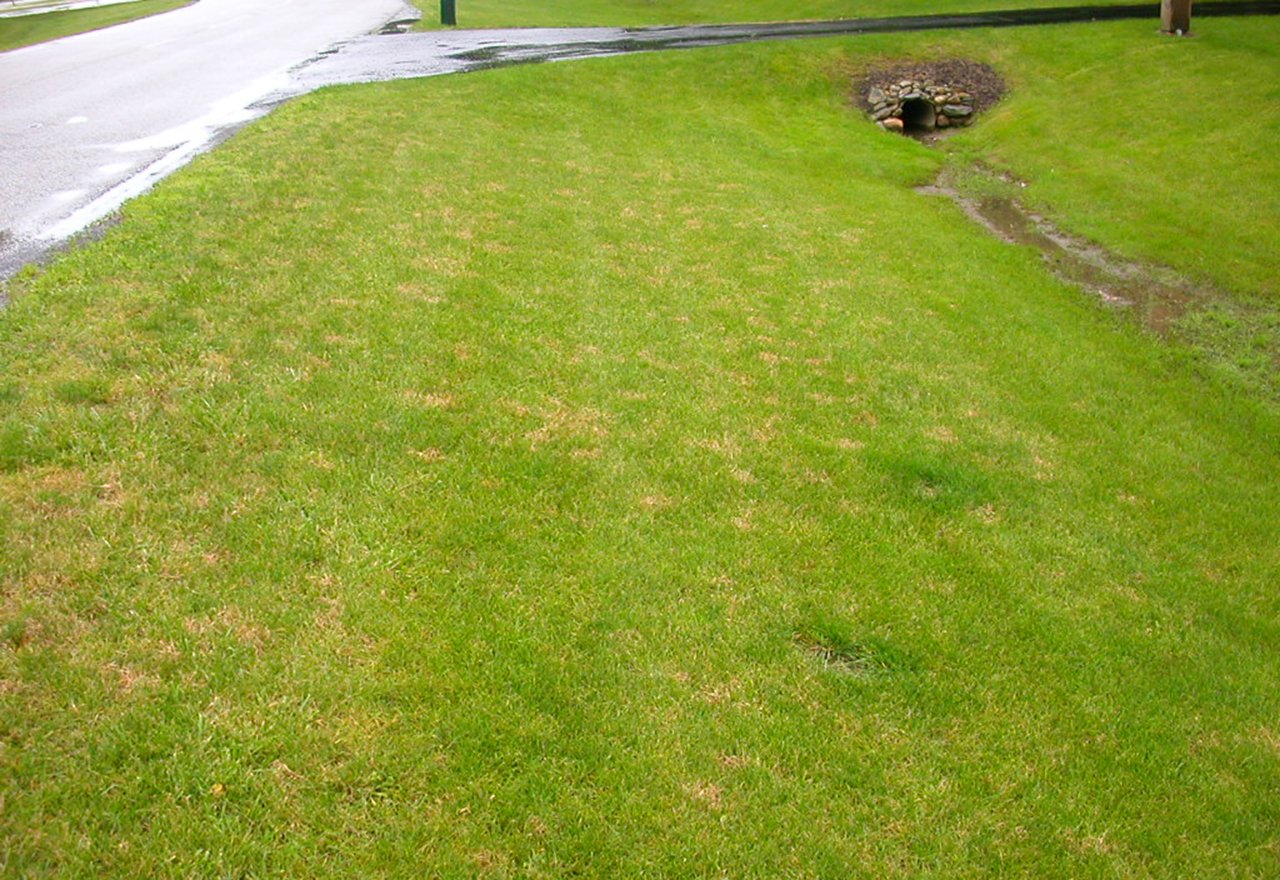
A fungal organism causes turf to turn brown and produce a pink fuzz.

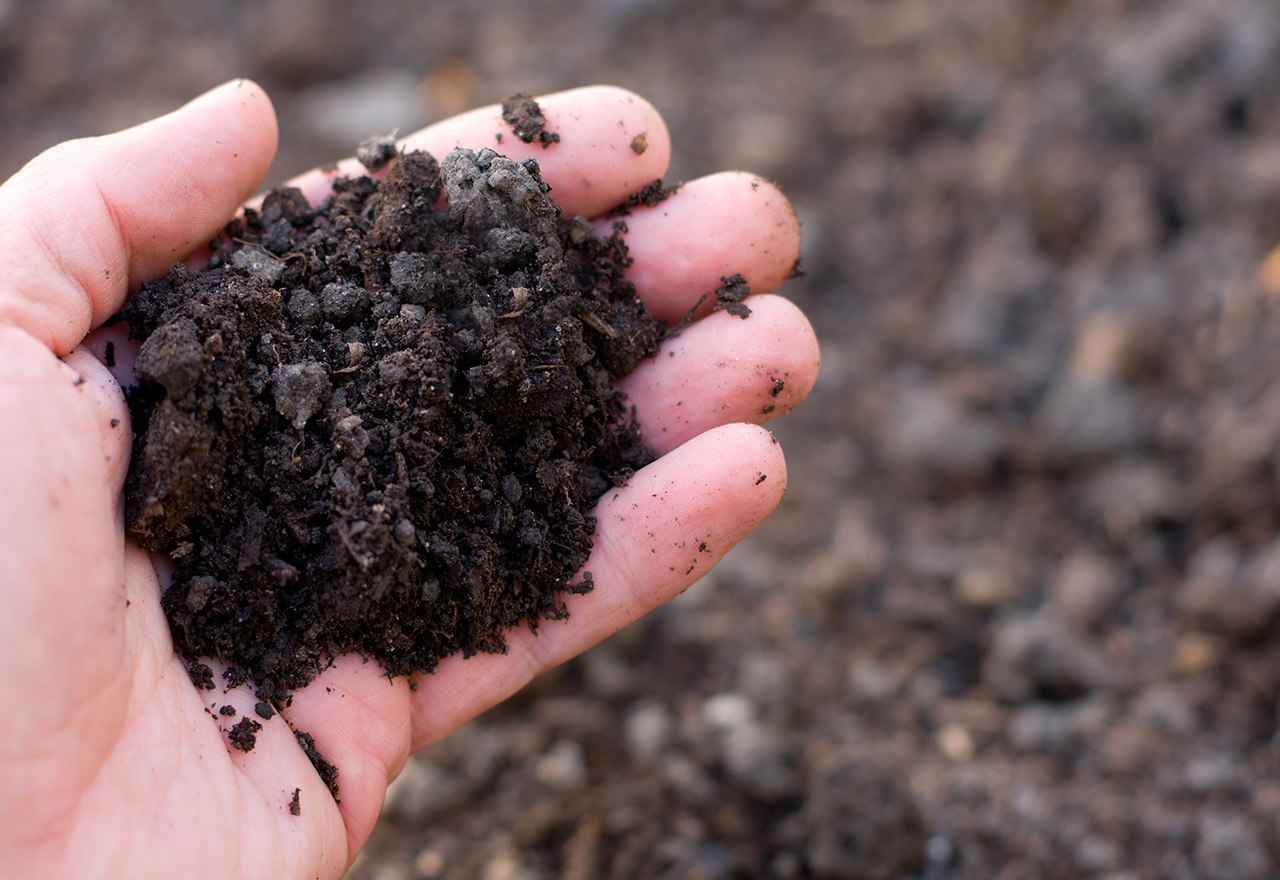
Soil is compacted and stripped of biology needed for plants to grow.

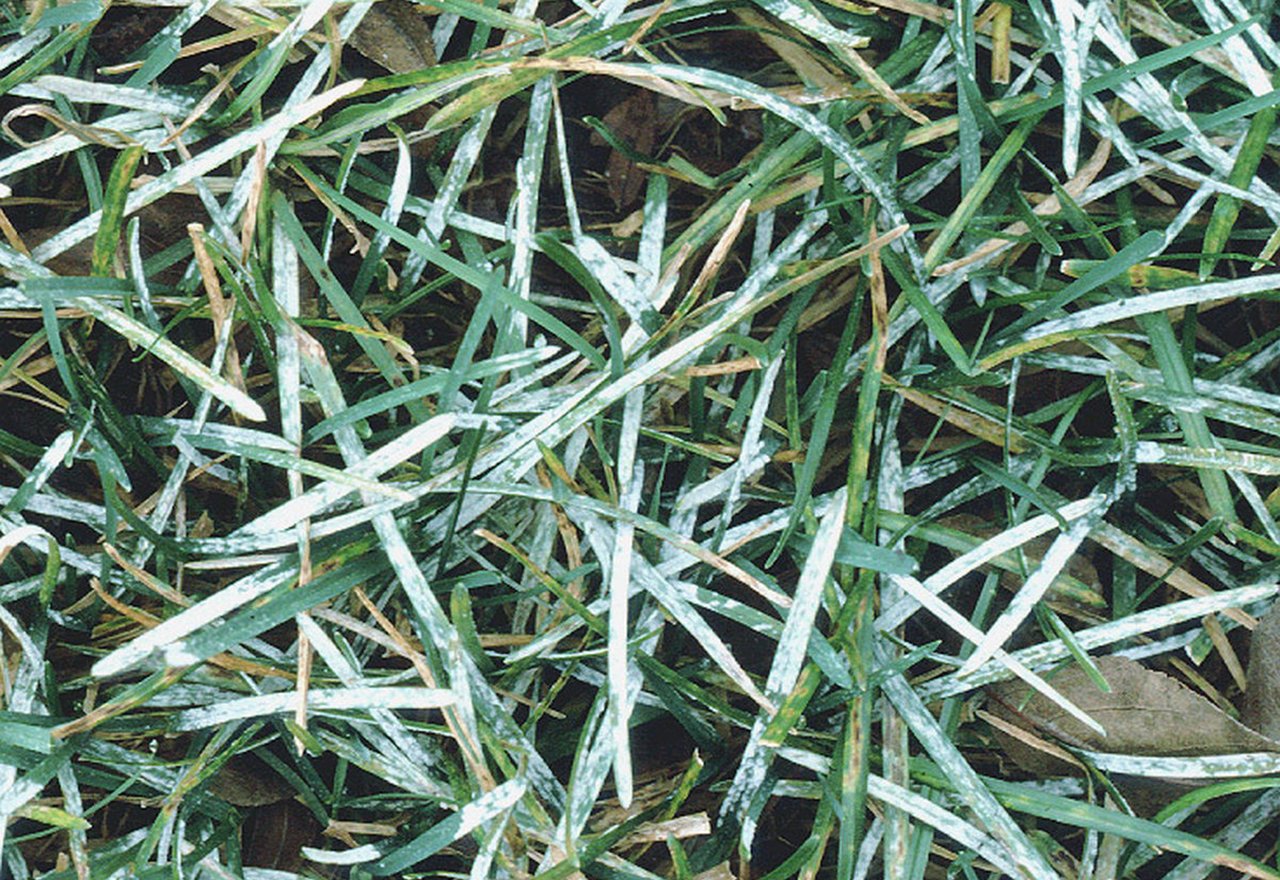
Powdery Mildew is a fungal disease that affects a wide range of plants.

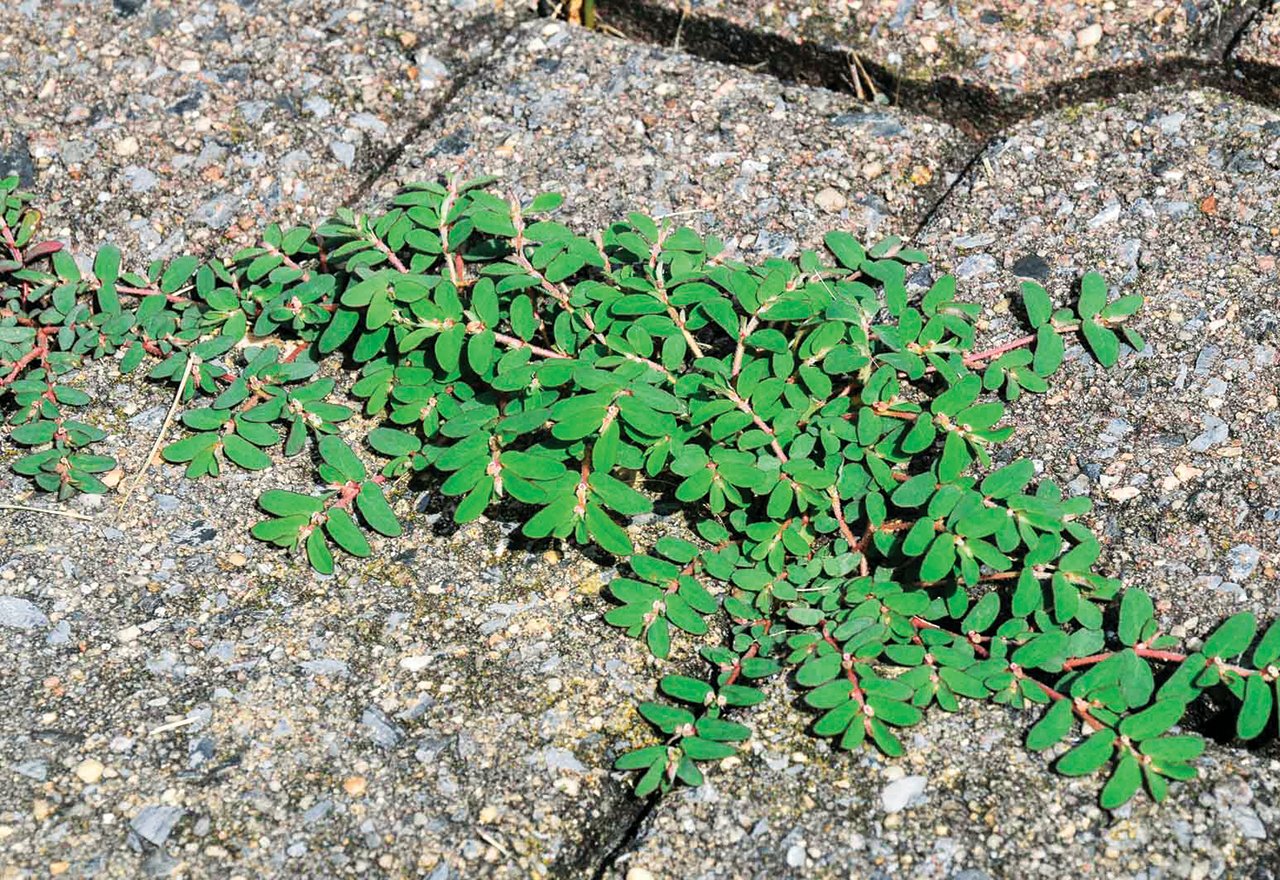
An annual weed with reddish stems that produce a white, milky substance.

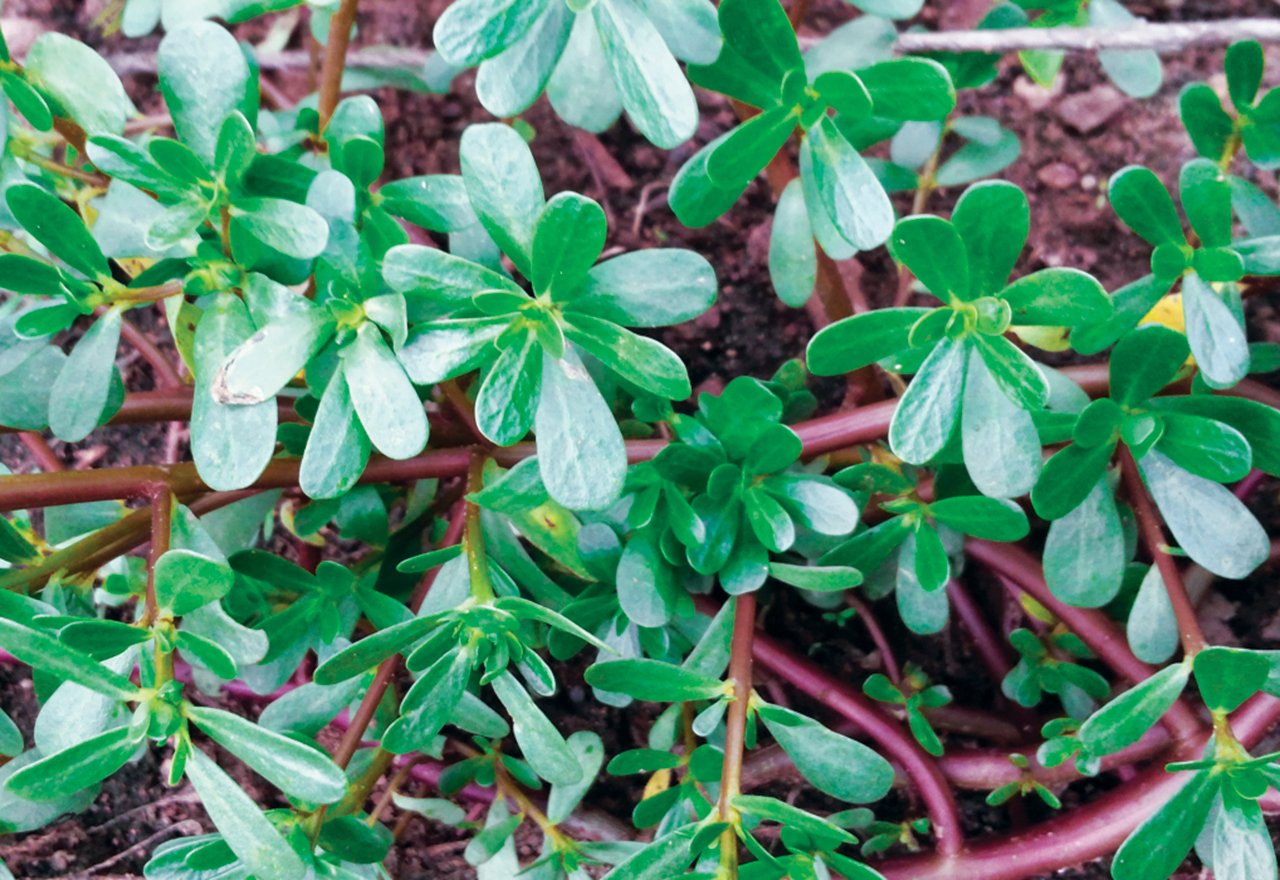
An annual weed with distinctive red stems that sprouts in early Summer.

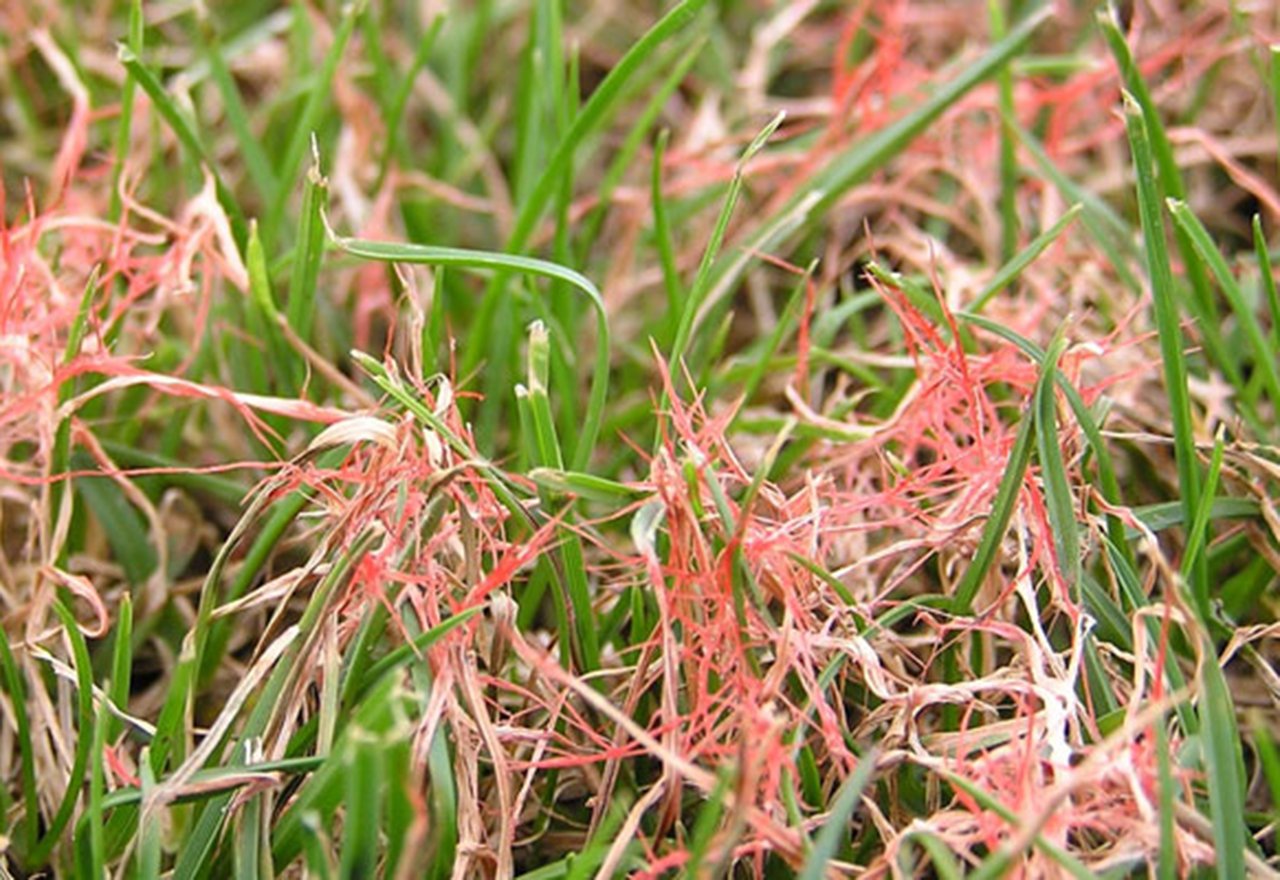
A fungal organism that produces red threadlike strands in the lawn.

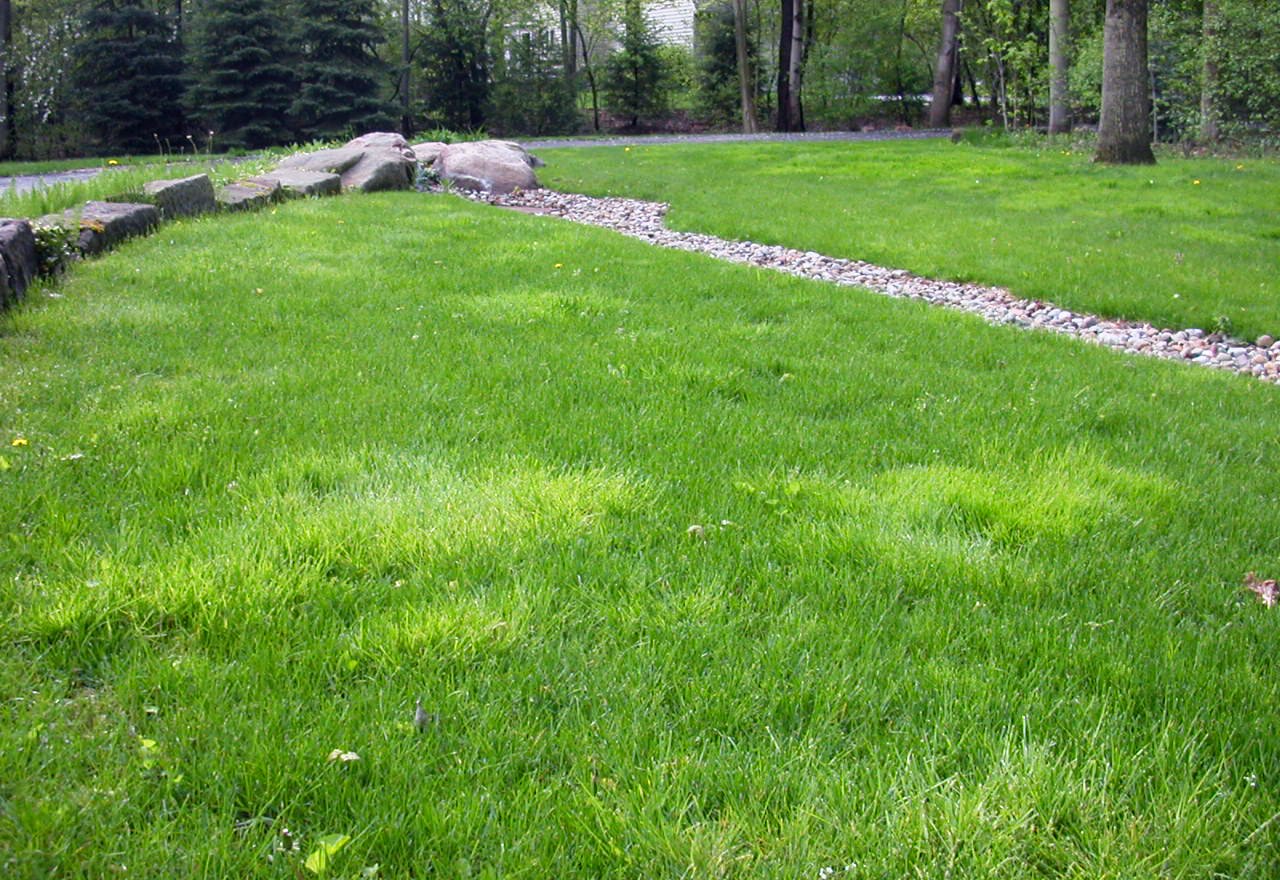
This cool season grass turns brown and looks dead in warm weather.

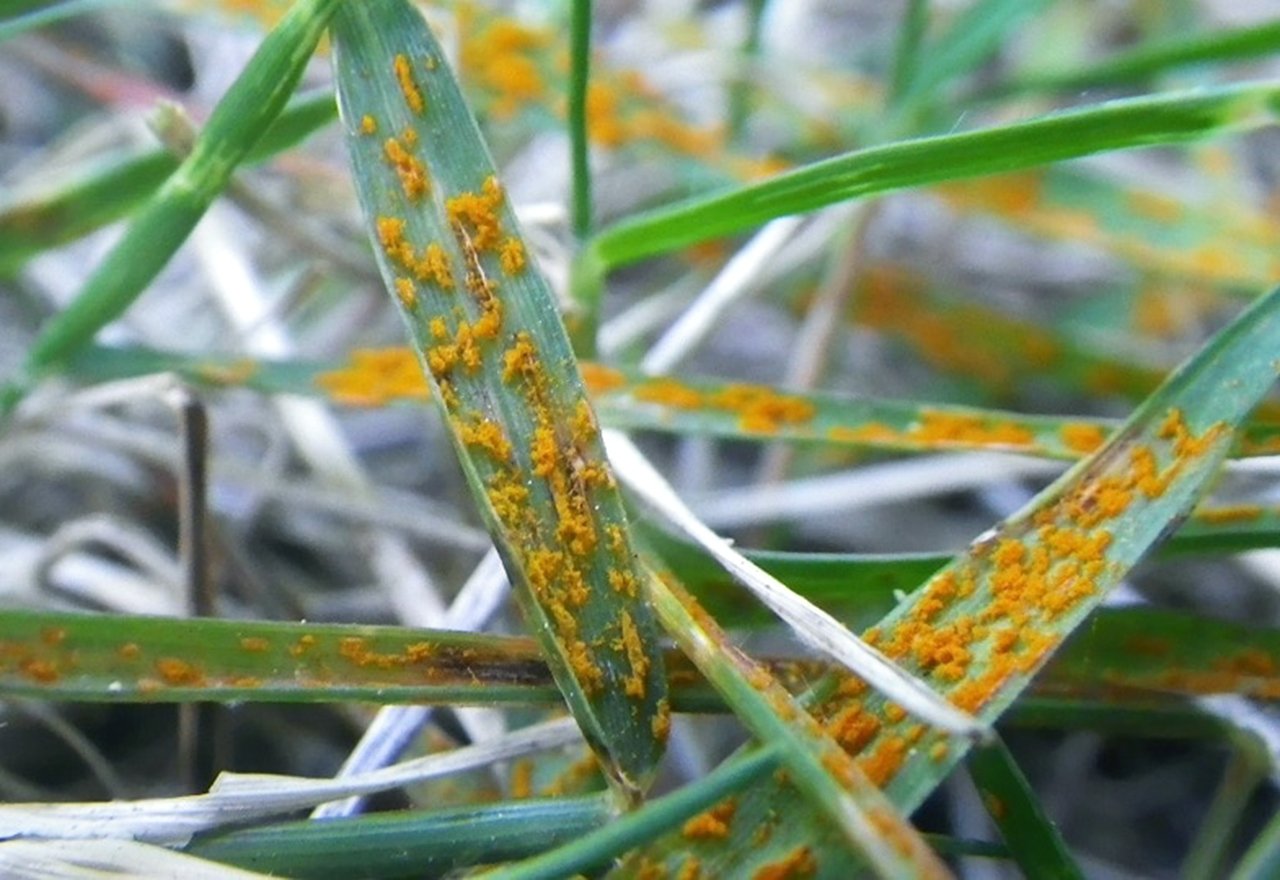
Rust is a fungal organism that causes orange growths to form on your grass.

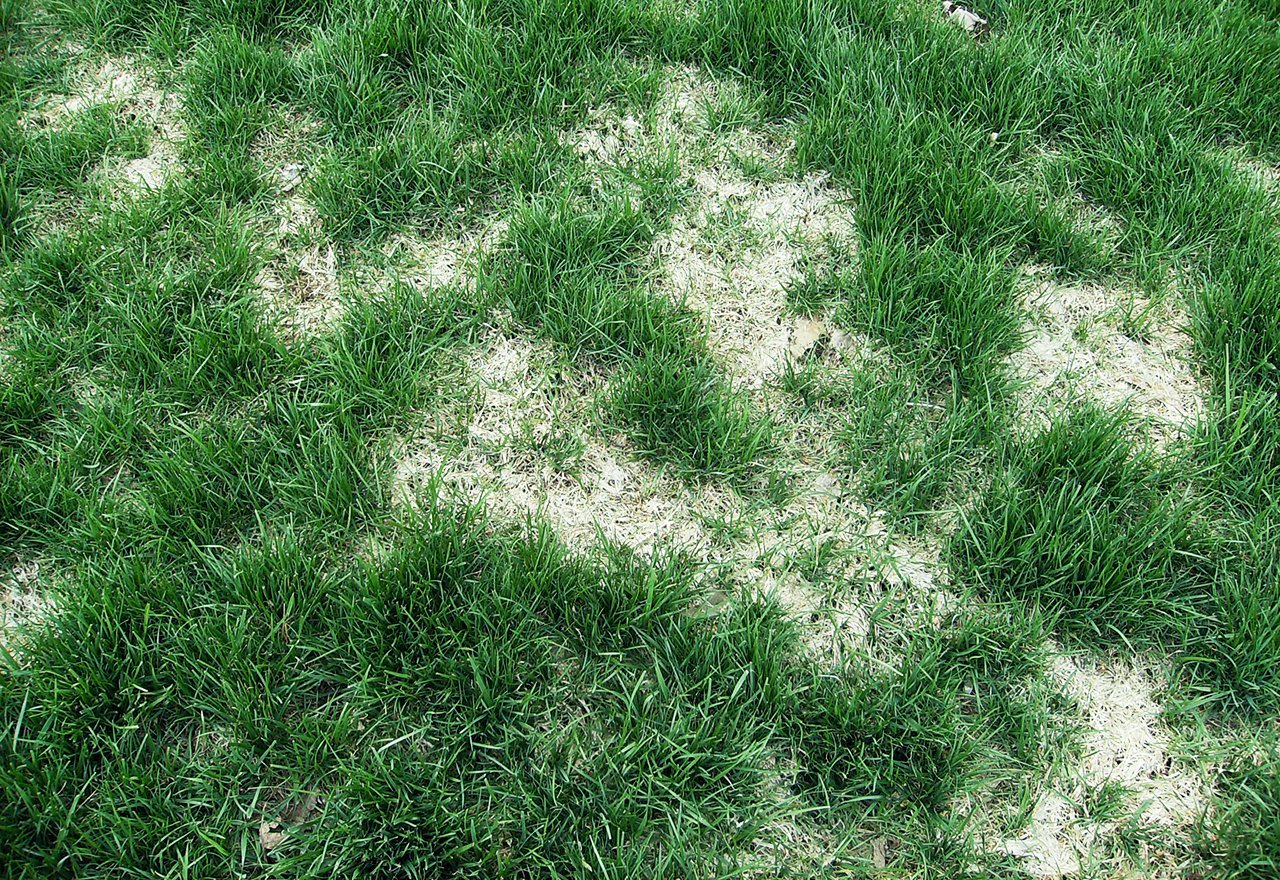
A cold weather fungus that damages your grass after the snow melts.

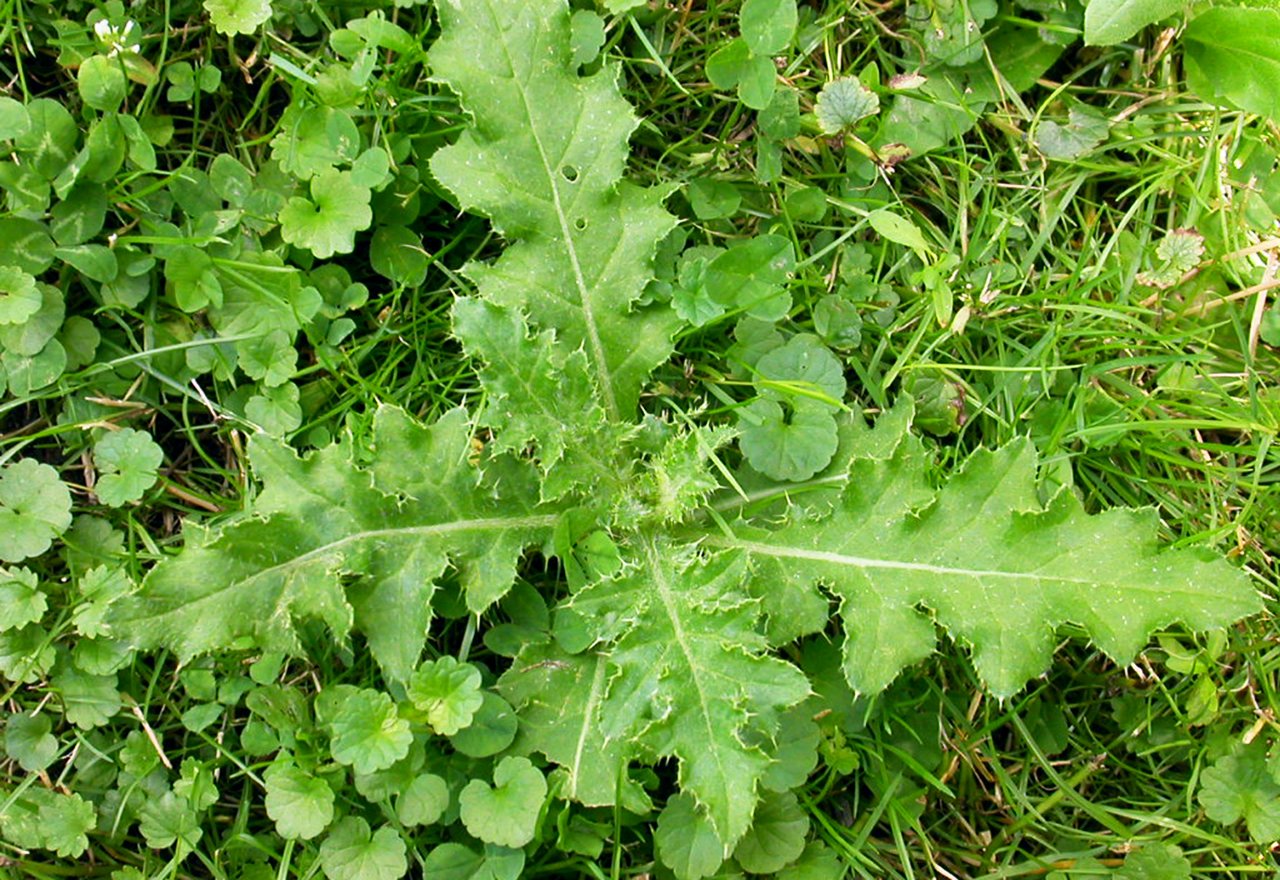
A fast-spreading, difficult-to-control perennial plant with prickly leaves.

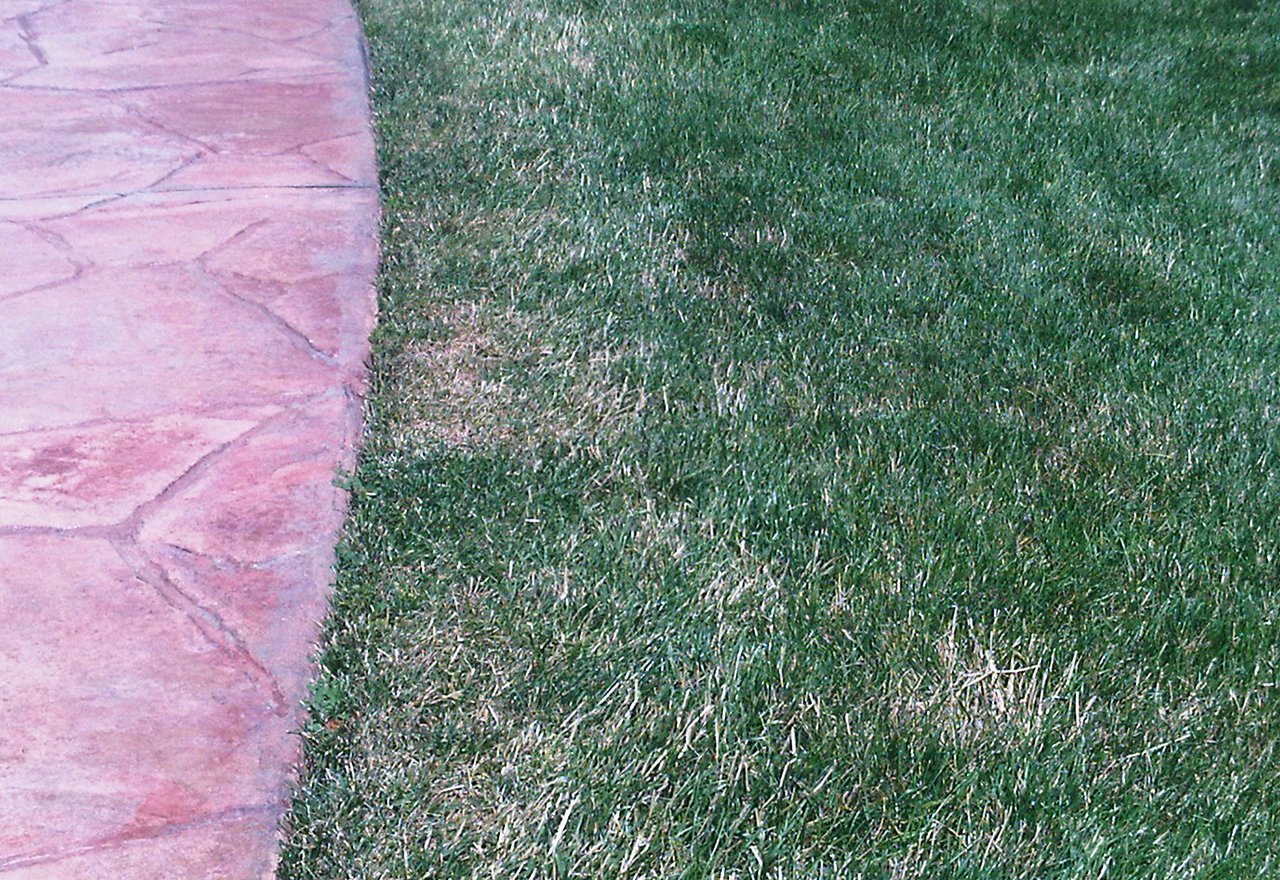
Scalping the edges of your lawn leads to weeds taking over those spots.

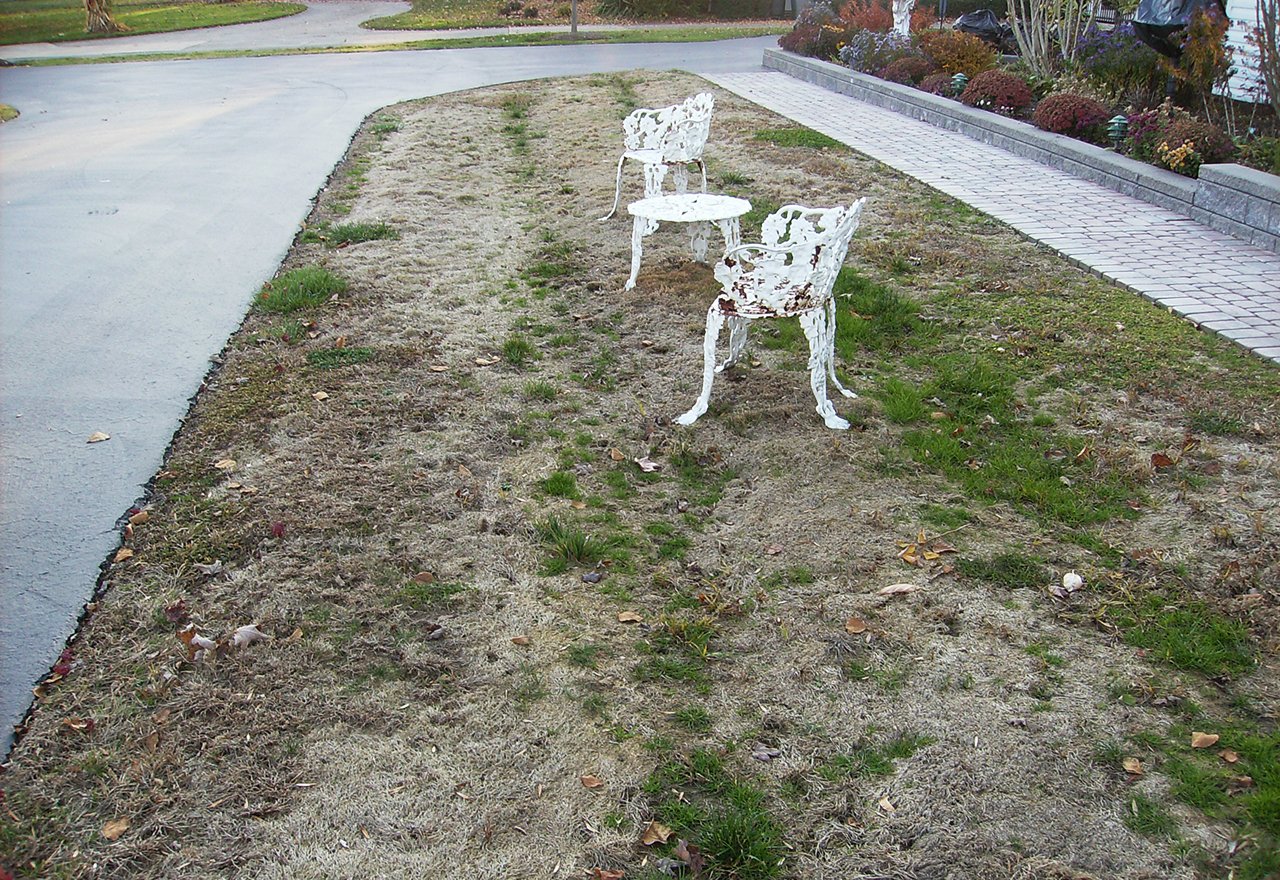
Tree lawns are the most difficult part of the lawn to keep looking nice.

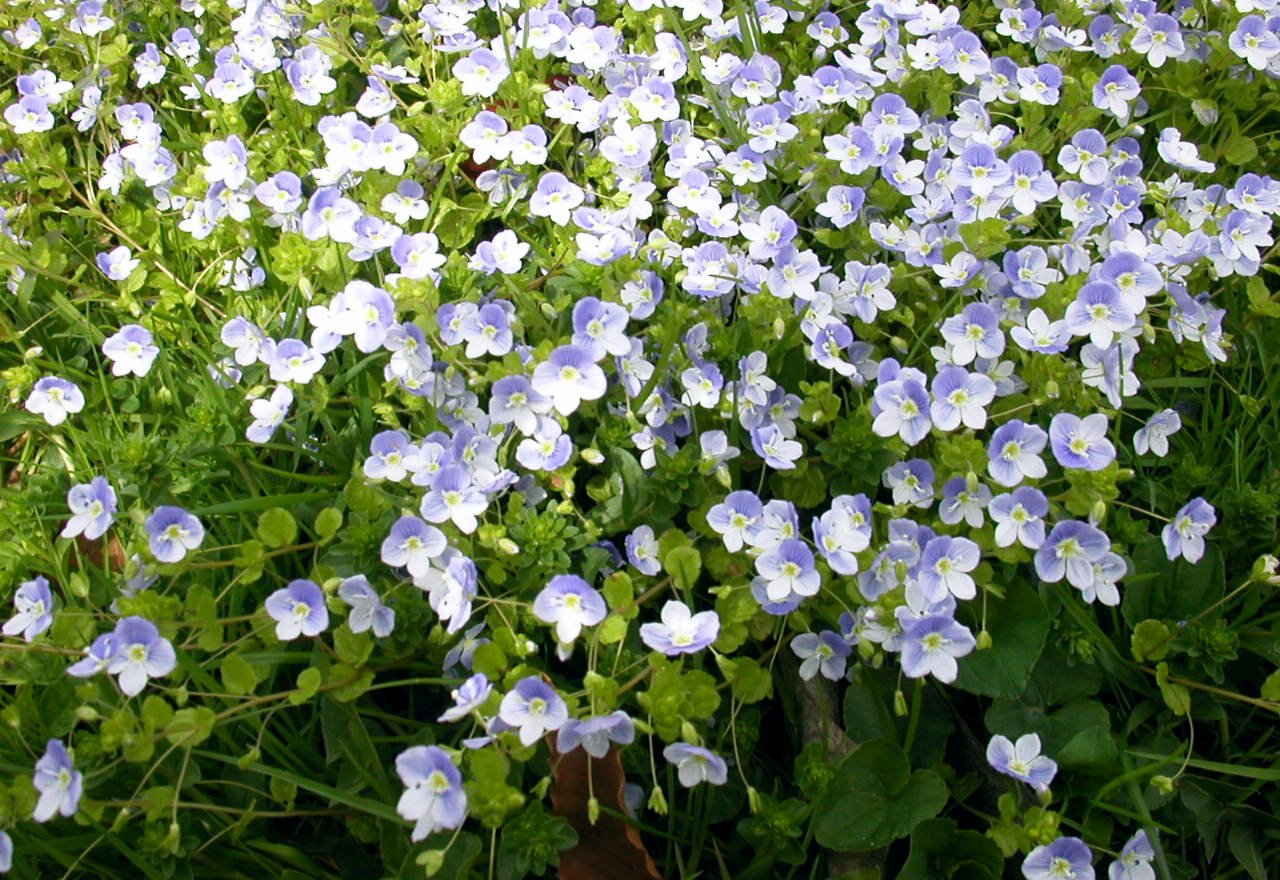
A spreading type of plant that has a purple flower in the early Spring.

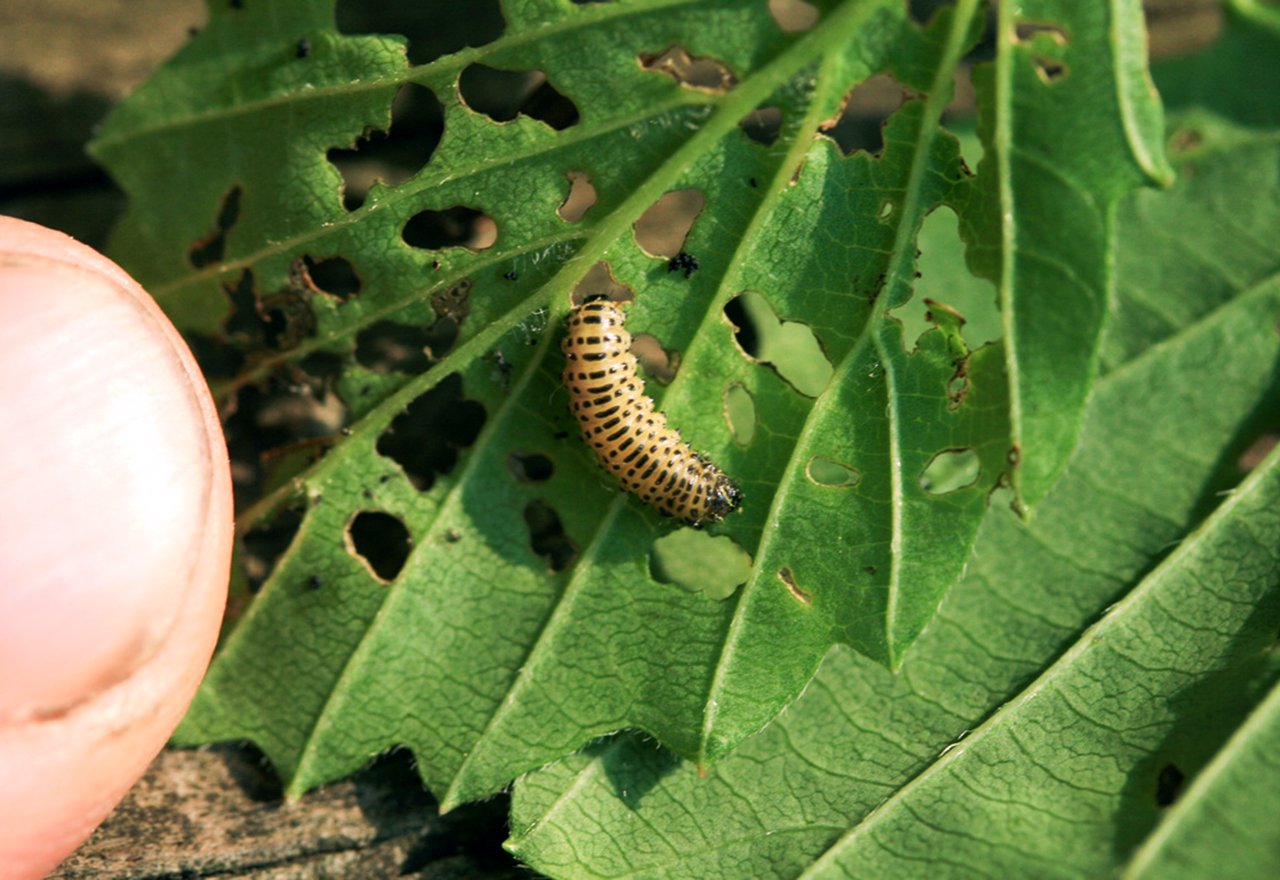
This invasive pest actively feeds on Viburnum Plants in landscape settings.

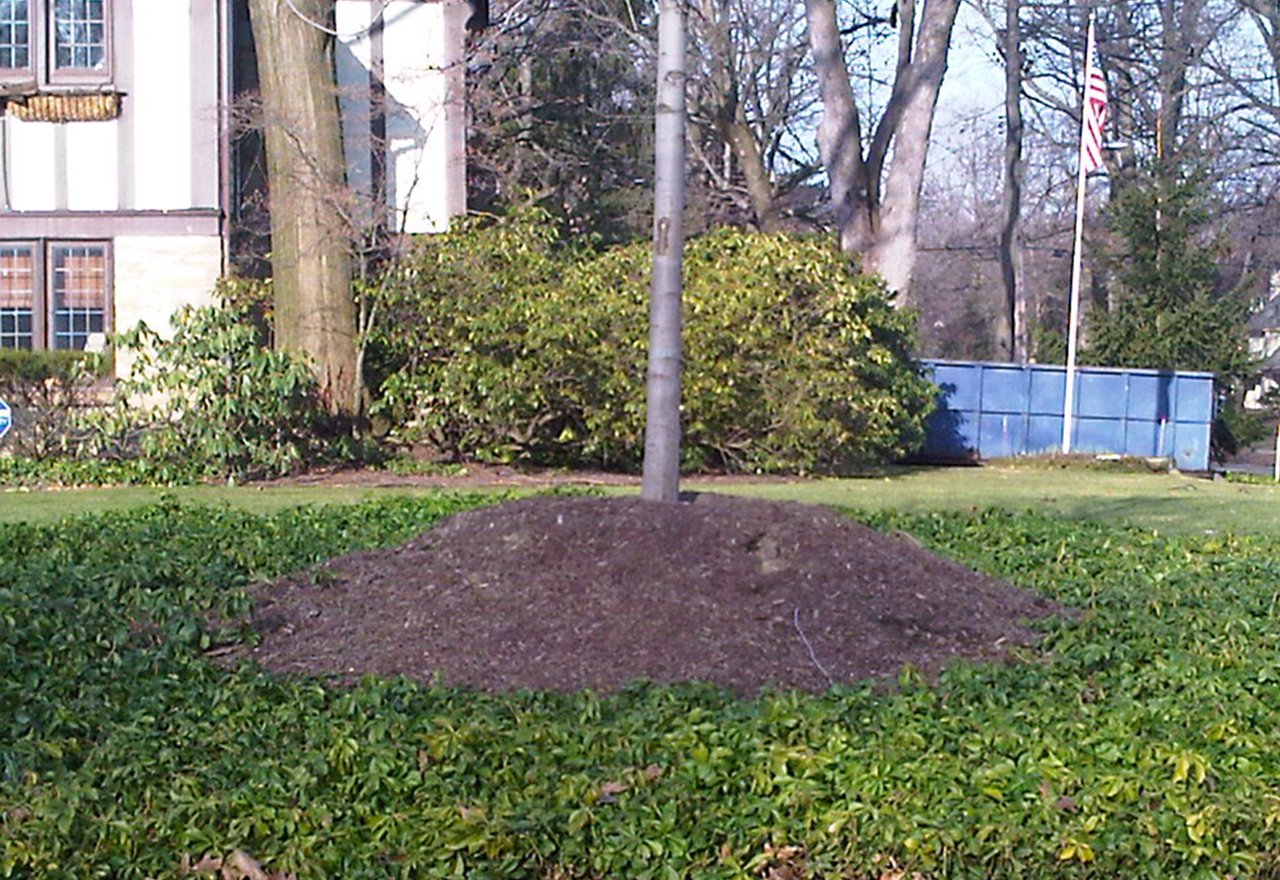
Over mulching leads to surface roots, which will strangle and kill your tree.

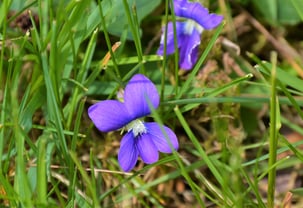
A perennial weed with a purple flower, found in shaded, damp areas.

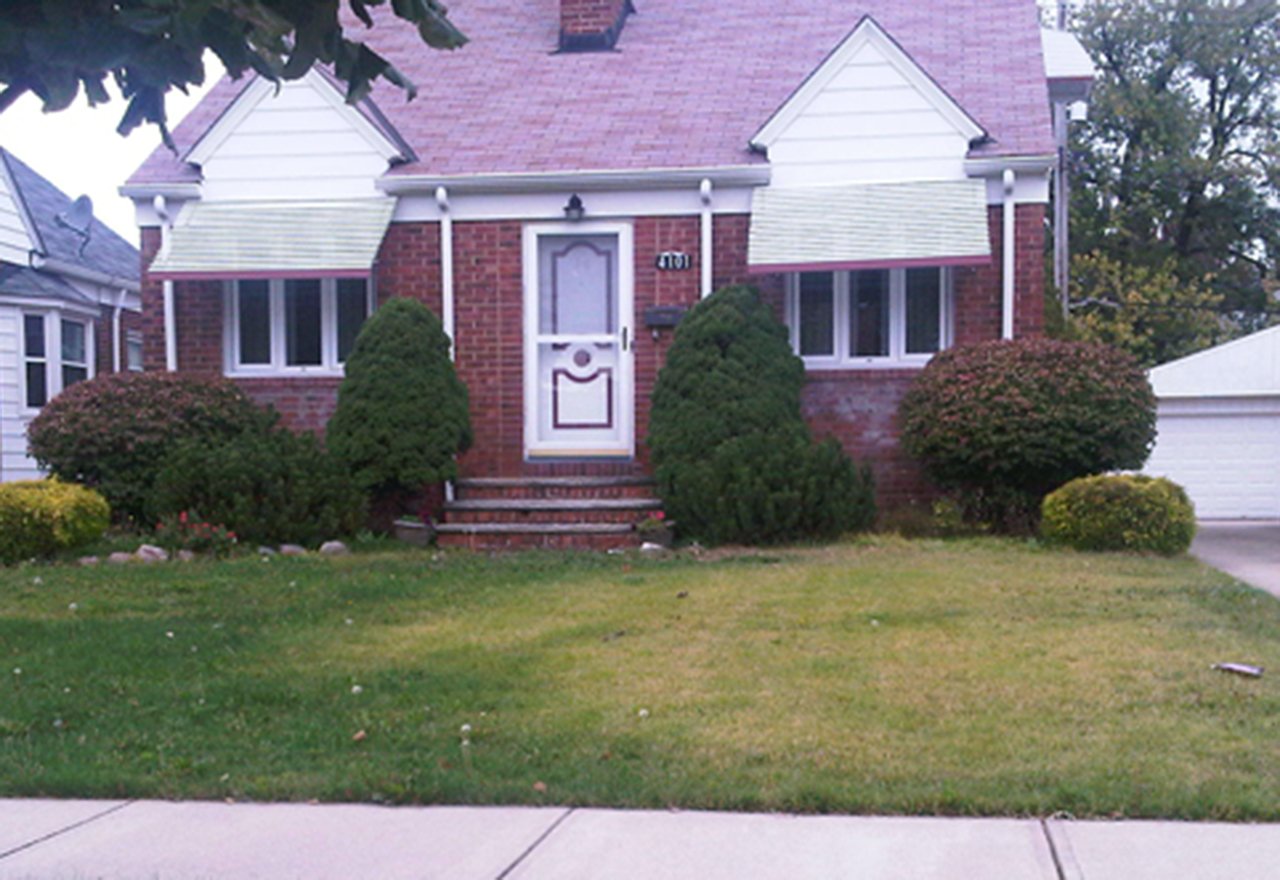
A warm season grass that stands up to heat, drought, and foot traffic.